Home About Services Brands Blog Contact
September 29, 2025 • Exhaust System

Is That Hissing Noise Costing You Power? A Sharjah Driver’s Guide to Solving Exhaust Manifold Gasket Problems

Picture backgroundWhen your car starts making a sharp ticking or hissing noise from the engine bay, many drivers shrug it off as “just an engine sound.” The problem may be more serious: a leaking exhaust manifold gasket. Ignoring this early warning wastes fuel, reduces performance, and can lead to expensive downstream repairs — from damaged oxygen sensors to a stressed catalytic converter. This guide will show you how to recognise the problem, what a proper repair involves, realistic cost expectations for Sharjah drivers, and steps you can take right now to avoid repeat failures.

We wrote this article specifically for vehicle owners in Sharjah who want practical, actionable advice that gets results. It explains common symptoms, the correct repair workflow, and preventative maintenance tips you can use at home or ask your mechanic to perform. If you want a workshop recommendation or a diagnostic appointment, call our Sharjah service desk at +971 54 752 8771.

This post focuses on one clear service: Exhaust manifold gasket replacement. We’ll cover diagnosis, the repair process, parts and quality considerations, and how to make sure the job is done once — not twice.

What happens when an exhaust manifold gasket fails?

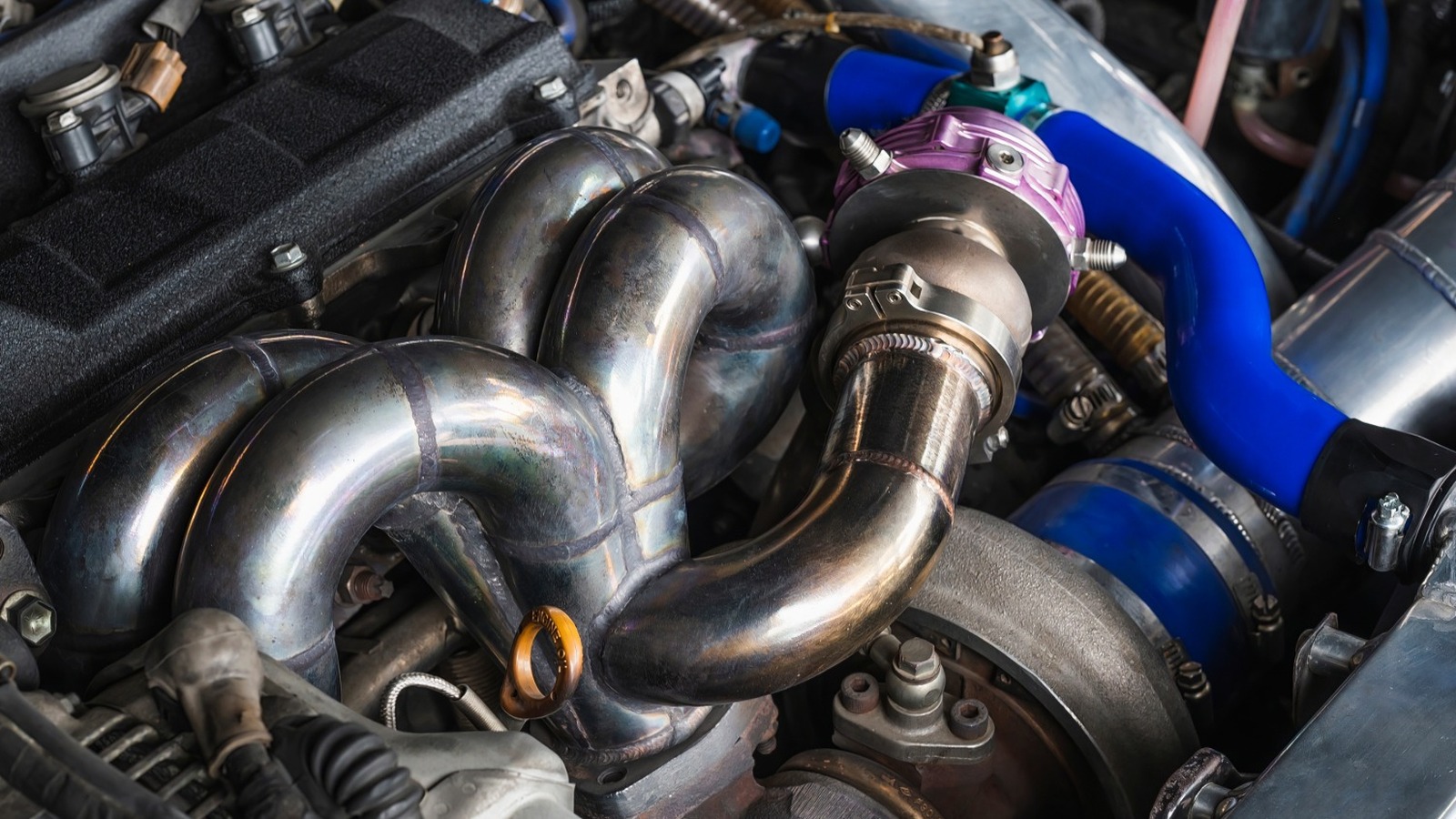
The exhaust manifold gasket seals the joint between the engine’s cylinder head and the exhaust manifold. When it fails, hot combustion gases escape before reaching the catalytic converter and muffler. This escaping gas produces audible ticks or hisses, especially during cold starts or hard acceleration, and can allow exhaust fumes into the engine bay. Over time, the leak causes poor engine performance, misread oxygen sensors, and can raise under-hood temperatures — accelerating wear on nearby wiring, sensors and plastic components.

How to recognise a leaking exhaust manifold gasket — quick checklist

Look for these reliable signs:

  • Loud ticking or high-pitched hissing from the engine bay that changes with RPM.
  • Loss of acceleration or reduced engine responsiveness.
  • Burning or exhaust smell in the cabin or under the hood.
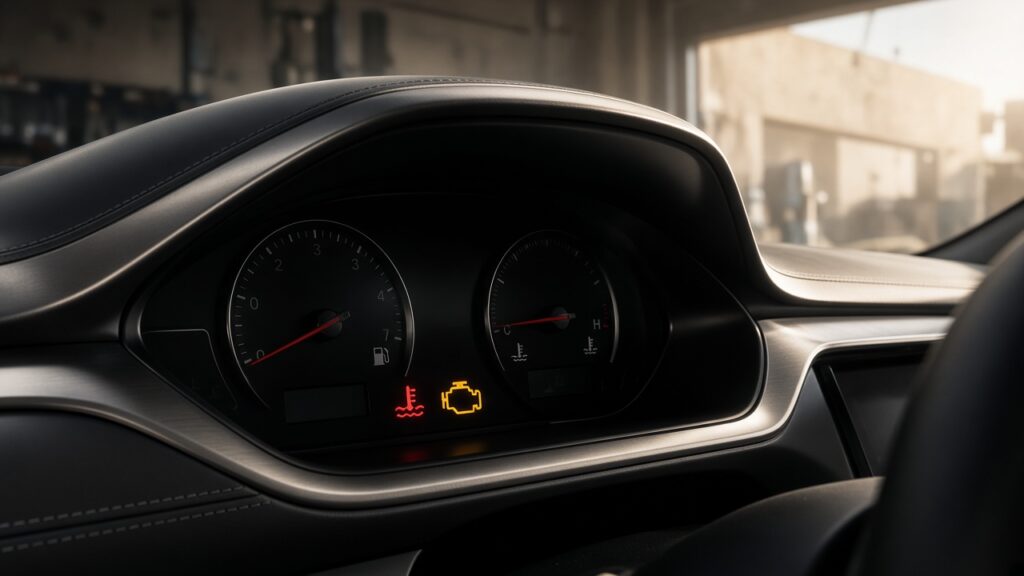
  • Check Engine Light that appears with poor fuel economy or irregular O₂ sensor readings.
  • Black soot or carbon deposits around the manifold-to-head join (visible during inspection).

Why gaskets fail — the usual culprits

Common reasons include repeated heating and cooling cycles that fatigue the gasket material, corrosion from moisture, improper installation (incorrect torque or cross-threaded studs), and warped or cracked manifold surfaces. Vehicles used in harsh conditions or those with high mileage are naturally more vulnerable. Preventative attention during routine servicing reduces the chance of a surprise failure.

What a correct replacement job looks like — step-by-step

To ensure a durable repair, a qualified technician should follow an organised workflow:

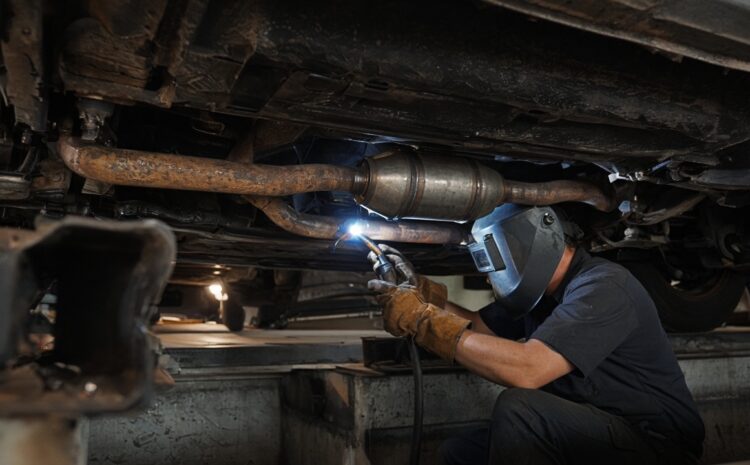
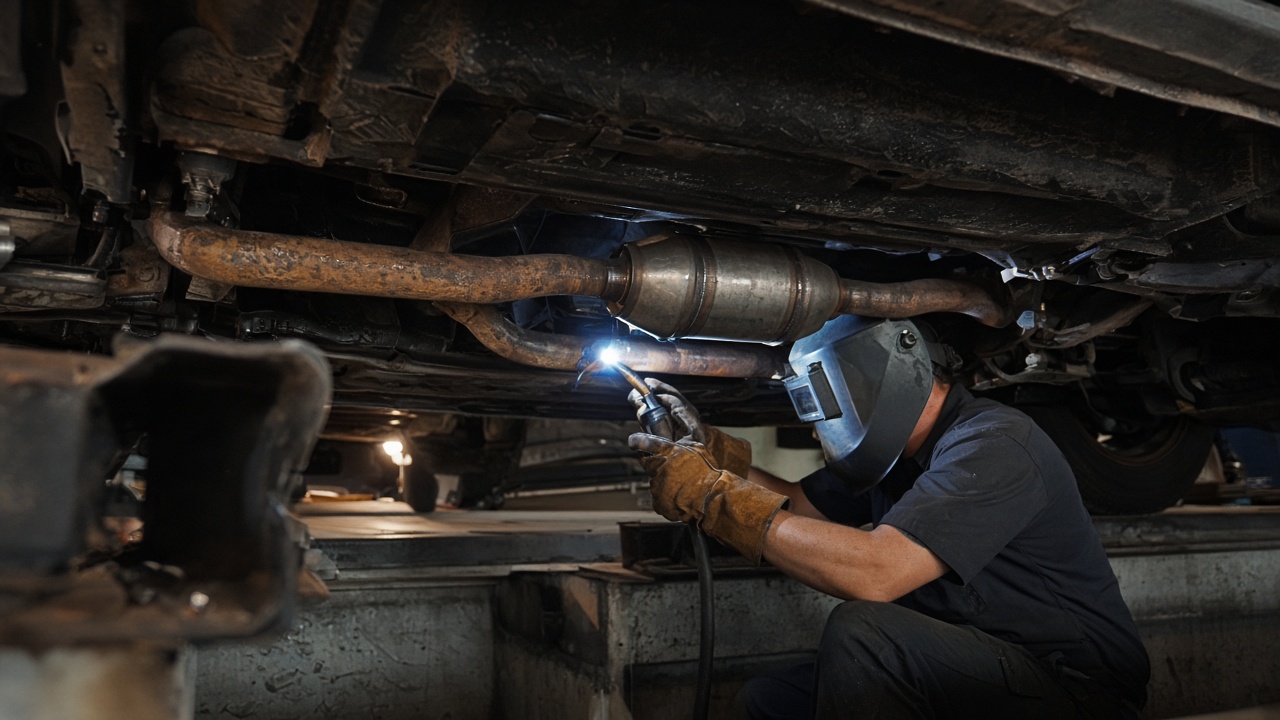
  1. Confirm the leak using a visual inspection and running the engine (with care) or a smoke test to trace escaping gases.
  2. Remove any obstructing components (heat shields, intake parts, sensors) to gain full access to the manifold.
  3. Remove the manifold bolts/studs carefully; inspect every stud and bolt for damage or corrosion.
  4. Clean both mating surfaces thoroughly — remove carbon, old gasket material and corrosion. Check flatness of the mating surfaces; measure if needed.
  5. Replace damaged studs or bolts and fit a high-quality gasket (preferably OEM or multi-layer steel where specified by the manufacturer).
  6. Reinstall the manifold using the correct torque sequence and values, often in several progressive stages to prevent warpage.
  7. Reinstall sensors and shields, clear any diagnostic codes, and perform a road test to confirm repair success.

Parts: why quality matters

Not all gaskets are equal. Single-layer or thin aftermarket gaskets can provide a temporary seal but may fail earlier. Multilayer steel (MLS) gaskets and genuine OEM parts are designed to withstand repeated thermal cycling and offer a longer service life. If studs are rusted or damaged, replacing them at the same time avoids rework. Always insist on a parts warranty and a clear parts description on the invoice.

Time and cost expectations for Sharjah drivers

Costs depend on vehicle make and model, accessibility of the manifold, and whether studs or the manifold itself require replacement. Simple gasket-only jobs on common models may be completed within a few hours. Complex jobs (e.g., compact engines needing intake removal) can take significantly longer. Ask your workshop for a breakdown: parts, labour hours, and any additional machining or stud replacement that might be necessary. Requesting a written estimate before work starts prevents surprises.

Common mistakes to avoid

Avoid these frequent pitfalls:

  • Using cheap one-time gaskets to save a small amount up front — they often fail sooner.
  • Re-torquing bolts without following the correct sequence and torque spec — this can warp the manifold.
  • Reusing damaged studs — a damaged stud risks a stripped thread and a bigger repair bill.
  • Skipping a post-repair diagnostic scan — unresolved error codes can hide lingering sensor issues.

Preventative maintenance to extend gasket life

Simple practices will lengthen the life of your exhaust gasket:

  • Keep up with scheduled engine servicing to avoid excessive combustion residue.
  • Address cooling system issues promptly — overheated engines accelerate gasket wear.
  • During other major engine work, ask the technician to inspect manifold surfaces and studs so small issues are fixed early.
  • If you notice ticking or exhaust smell, inspect immediately rather than waiting for a bigger failure.

What to ask your mechanic — checklist before authorising work

Before giving the green light, ask your service provider these questions:

  • Will you use OEM or high-quality replacement gaskets?
  • Are damaged studs included in the quote if they’re found during teardown?
  • Do you perform surface checks for warpage and measure flatness if needed?
  • Is there a parts and labour warranty, and what does it cover?
  • Will you clear diagnostic codes and perform a test drive afterward?

Real-world example — why early repair saved money

A customer brought a sedan to our Sharjah workshop after hearing intermittent ticking. A quick inspection found a failing exhaust gasket and slightly corroded studs. Replacing the gasket and studs, plus cleaning the mating surface, stopped the leak and prevented the catalytic converter from overheating — a far less costly fix than replacing the converter later. Early diagnosis often keeps the bill small and recovery fast.

Frequently asked questions

Q: How long will the new gasket last?
A: With proper installation and quality parts, a replacement gasket should last many years. Life depends on driving conditions, engine health and how well the installation addressed studs and surface condition.

Q: Can I drive my car if I suspect a gasket leak?
A: Short, cautious drives to a nearby workshop are usually safe, but prolonged driving can damage sensors and nearby components. Avoid long trips until the fault is addressed.

Q: Will my check engine light always come on?
A: Not always. Some leaks trigger sensor issues and a light; others start as audible symptoms only. Use the symptom checklist above as a guide.

Next steps — how to get fast, reliable service in Sharjah

If you hear ticking or smell exhaust near the hood, don’t wait. Call us for a professional diagnostic at +971 54 752 8771. A proper inspection will identify whether the issue is the gasket, studs, manifold warpage, or a related sensor — and you’ll receive a clear, itemised quote before any work begins. Choosing a workshop experienced with local conditions and familiar with common models in the UAE helps ensure the repair is done correctly the first time.

Conclusion — act early and choose quality

Exhaust manifold gasket leaks are common and often simple to fix when caught early. The keys to a durable repair are correct diagnosis, quality replacement gaskets, replacement of damaged studs, careful surface preparation, and correct torque procedures. For drivers in Sharjah, choosing a reputable workshop and asking the right questions saves money and avoids repeat visits. If you suspect a leak, call now at +971 54 752 8771 to schedule an inspection and get a transparent written estimate.
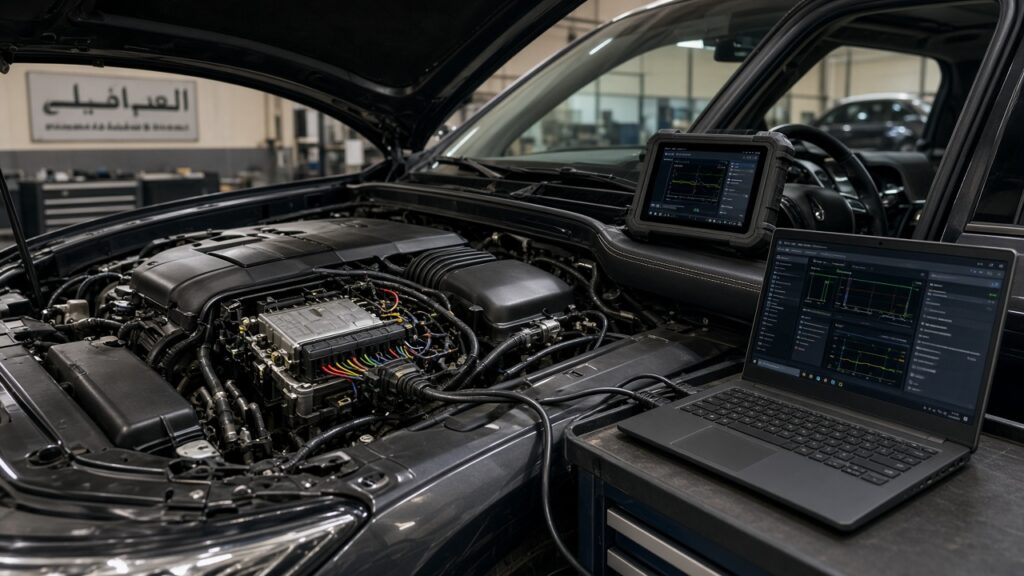
Is That Hissing Noise Costing You Power? A Sharjah Driver’s Guide to Solving Exhaust Manifold Gasket Problems

Picture backgroundWhen your car starts making a sharp ticking or hissing noise from the engine bay, many drivers shrug it off as “just an engine sound.” The problem may be more serious: a leaking exhaust manifold gasket. Ignoring this early warning wastes fuel, reduces performance, and can lead to expensive downstream repairs — from damaged oxygen sensors to a stressed catalytic converter. This guide will show you how to recognise the problem, what a proper repair involves, realistic cost expectations for Sharjah drivers, and steps you can take right now to avoid repeat failures.

We wrote this article specifically for vehicle owners in Sharjah who want practical, actionable advice that gets results. It explains common symptoms, the correct repair workflow, and preventative maintenance tips you can use at home or ask your mechanic to perform. If you want a workshop recommendation or a diagnostic appointment, call our Sharjah service desk at +971 54 752 8771.

This post focuses on one clear service: Exhaust manifold gasket replacement. We’ll cover diagnosis, the repair process, parts and quality considerations, and how to make sure the job is done once — not twice.

What happens when an exhaust manifold gasket fails?

The exhaust manifold gasket seals the joint between the engine’s cylinder head and the exhaust manifold. When it fails, hot combustion gases escape before reaching the catalytic converter and muffler. This escaping gas produces audible ticks or hisses, especially during cold starts or hard acceleration, and can allow exhaust fumes into the engine bay. Over time, the leak causes poor engine performance, misread oxygen sensors, and can raise under-hood temperatures — accelerating wear on nearby wiring, sensors and plastic components.

How to recognise a leaking exhaust manifold gasket — quick checklist

Look for these reliable signs:

  • Loud ticking or high-pitched hissing from the engine bay that changes with RPM.
  • Loss of acceleration or reduced engine responsiveness.
  • Burning or exhaust smell in the cabin or under the hood.
  • Check Engine Light that appears with poor fuel economy or irregular O₂ sensor readings.
  • Black soot or carbon deposits around the manifold-to-head join (visible during inspection).

Why gaskets fail — the usual culprits

Common reasons include repeated heating and cooling cycles that fatigue the gasket material, corrosion from moisture, improper installation (incorrect torque or cross-threaded studs), and warped or cracked manifold surfaces. Vehicles used in harsh conditions or those with high mileage are naturally more vulnerable. Preventative attention during routine servicing reduces the chance of a surprise failure.

What a correct replacement job looks like — step-by-step

To ensure a durable repair, a qualified technician should follow an organised workflow:

  1. Confirm the leak using a visual inspection and running the engine (with care) or a smoke test to trace escaping gases.
  2. Remove any obstructing components (heat shields, intake parts, sensors) to gain full access to the manifold.
  3. Remove the manifold bolts/studs carefully; inspect every stud and bolt for damage or corrosion.
  4. Clean both mating surfaces thoroughly — remove carbon, old gasket material and corrosion. Check flatness of the mating surfaces; measure if needed.
  5. Replace damaged studs or bolts and fit a high-quality gasket (preferably OEM or multi-layer steel where specified by the manufacturer).
  6. Reinstall the manifold using the correct torque sequence and values, often in several progressive stages to prevent warpage.
  7. Reinstall sensors and shields, clear any diagnostic codes, and perform a road test to confirm repair success.

Parts: why quality matters

Not all gaskets are equal. Single-layer or thin aftermarket gaskets can provide a temporary seal but may fail earlier. Multilayer steel (MLS) gaskets and genuine OEM parts are designed to withstand repeated thermal cycling and offer a longer service life. If studs are rusted or damaged, replacing them at the same time avoids rework. Always insist on a parts warranty and a clear parts description on the invoice.

Time and cost expectations for Sharjah drivers

Costs depend on vehicle make and model, accessibility of the manifold, and whether studs or the manifold itself require replacement. Simple gasket-only jobs on common models may be completed within a few hours. Complex jobs (e.g., compact engines needing intake removal) can take significantly longer. Ask your workshop for a breakdown: parts, labour hours, and any additional machining or stud replacement that might be necessary. Requesting a written estimate before work starts prevents surprises.

Common mistakes to avoid

Avoid these frequent pitfalls:

  • Using cheap one-time gaskets to save a small amount up front — they often fail sooner.
  • Re-torquing bolts without following the correct sequence and torque spec — this can warp the manifold.
  • Reusing damaged studs — a damaged stud risks a stripped thread and a bigger repair bill.
  • Skipping a post-repair diagnostic scan — unresolved error codes can hide lingering sensor issues.

Preventative maintenance to extend gasket life

Simple practices will lengthen the life of your exhaust gasket:

  • Keep up with scheduled engine servicing to avoid excessive combustion residue.
  • Address cooling system issues promptly — overheated engines accelerate gasket wear.
  • During other major engine work, ask the technician to inspect manifold surfaces and studs so small issues are fixed early.
  • If you notice ticking or exhaust smell, inspect immediately rather than waiting for a bigger failure.

What to ask your mechanic — checklist before authorising work

Before giving the green light, ask your service provider these questions:

  • Will you use OEM or high-quality replacement gaskets?
  • Are damaged studs included in the quote if they’re found during teardown?
  • Do you perform surface checks for warpage and measure flatness if needed?
  • Is there a parts and labour warranty, and what does it cover?
  • Will you clear diagnostic codes and perform a test drive afterward?

Real-world example — why early repair saved money

A customer brought a sedan to our Sharjah workshop after hearing intermittent ticking. A quick inspection found a failing exhaust gasket and slightly corroded studs. Replacing the gasket and studs, plus cleaning the mating surface, stopped the leak and prevented the catalytic converter from overheating — a far less costly fix than replacing the converter later. Early diagnosis often keeps the bill small and recovery fast.

Frequently asked questions

Q: How long will the new gasket last?
A: With proper installation and quality parts, a replacement gasket should last many years. Life depends on driving conditions, engine health and how well the installation addressed studs and surface condition.

Q: Can I drive my car if I suspect a gasket leak?
A: Short, cautious drives to a nearby workshop are usually safe, but prolonged driving can damage sensors and nearby components. Avoid long trips until the fault is addressed.

Q: Will my check engine light always come on?
A: Not always. Some leaks trigger sensor issues and a light; others start as audible symptoms only. Use the symptom checklist above as a guide.

Next steps — how to get fast, reliable service in Sharjah

If you hear ticking or smell exhaust near the hood, don’t wait. Call us for a professional diagnostic at +971 54 752 8771. A proper inspection will identify whether the issue is the gasket, studs, manifold warpage, or a related sensor — and you’ll receive a clear, itemised quote before any work begins. Choosing a workshop experienced with local conditions and familiar with common models in the UAE helps ensure the repair is done correctly the first time.

Conclusion — act early and choose quality

Exhaust manifold gasket leaks are common and often simple to fix when caught early. The keys to a durable repair are correct diagnosis, quality replacement gaskets, replacement of damaged studs, careful surface preparation, and correct torque procedures. For drivers in Sharjah, choosing a reputable workshop and asking the right questions saves money and avoids repeat visits. If you suspect a leak, call now at +971 54 752 8771 to schedule an inspection and get a transparent written estimate.
Leave a Reply

Your email address will not be published. Required fields are marked *

Smart Garage
Service Advisor
Online
Smart Garage
Hello! How can we help you with your car today? 👋
Just now
1