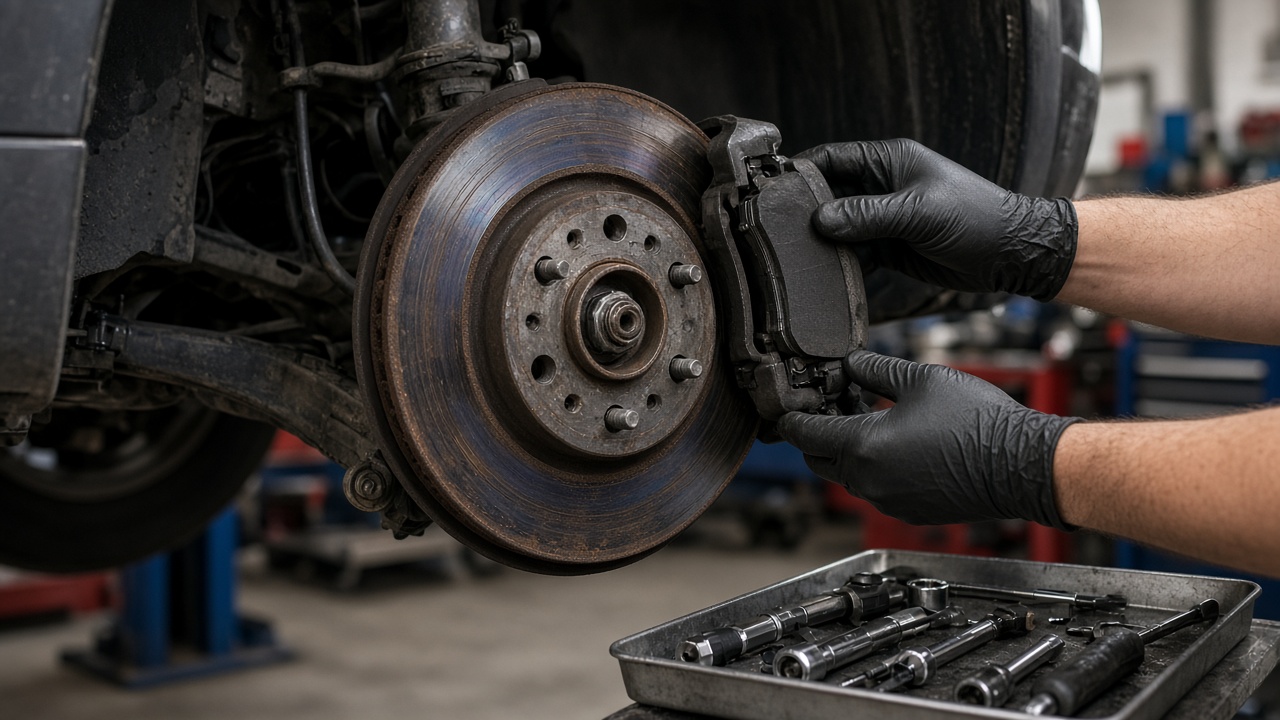
The rapid adoption of electric vehicles (EVs) across the UAE has transformed our roads. From the sleek lines of a Tesla to the efficiency of modern hybrids, electric mobility is no longer the future it is our current reality. However, a dangerous, widespread misconception persists among many owners: because EVs utilize regenerative braking, the traditional friction brake system is considered “maintenance-free.”
This belief is not just inaccurate; it is a major safety risk. If you are searching for EV brake system repair in Dubai, it is critical to understand that your vehicle requires a specialized, proactive maintenance approach. Most general garages lack the technical equipment and the specific expertise required to service these sophisticated systems. At Smart Garage, we believe that understanding your EV’s braking health is the first step toward long-term vehicle reliability in the demanding UAE climate.
The Regenerative Braking Myth: Why Your Brakes Still Need You
To understand why your brakes need attention, we must first dispel the “maintenance-free” myth. Regenerative braking is a brilliant innovation; it uses the electric motor to slow the vehicle, converting kinetic energy back into electricity to charge the battery. Because the motor does the heavy lifting, your friction brakes (the pads and rotors) are used significantly less frequently than those on a traditional gasoline-powered car.
While this reduces wear, it introduces a new, counterintuitive problem: lack of use.
The Problem with Inactivity
In a standard vehicle, every stop generates friction, which creates heat. This heat acts as a self-cleaning mechanism, evaporating moisture and burning off surface debris. In an EV, regenerative braking generates zero heat at the wheels. Consequently, your brake rotors remain cold and “unused.”
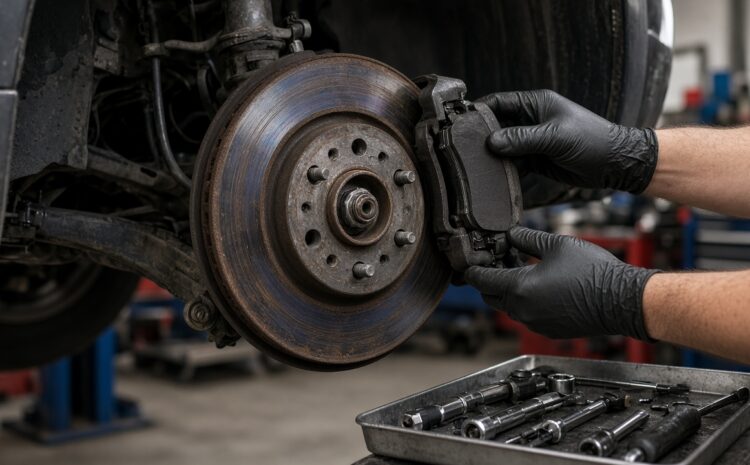
In the humid, coastal environment of Dubai and the wider UAE, this is a recipe for disaster. Moisture—whether from high humidity, coastal air, or simply washing your car—sits on the cold metal surface of your rotors. This leads to oxidation, commonly known as surface rust. When the friction brakes are eventually used, they are forced to grind through this layer of rust, leading to:
-
Pitting: Tiny holes or craters forming on the rotor surface.
-
Seized Calipers: The lack of movement allows dust and debris to lock the caliper pins in place.
-
Uneven Wear: The pads can no longer apply even pressure, resulting in reduced stopping power when you need it most.
Why Specialized EV Brake Maintenance is Non-Negotiable
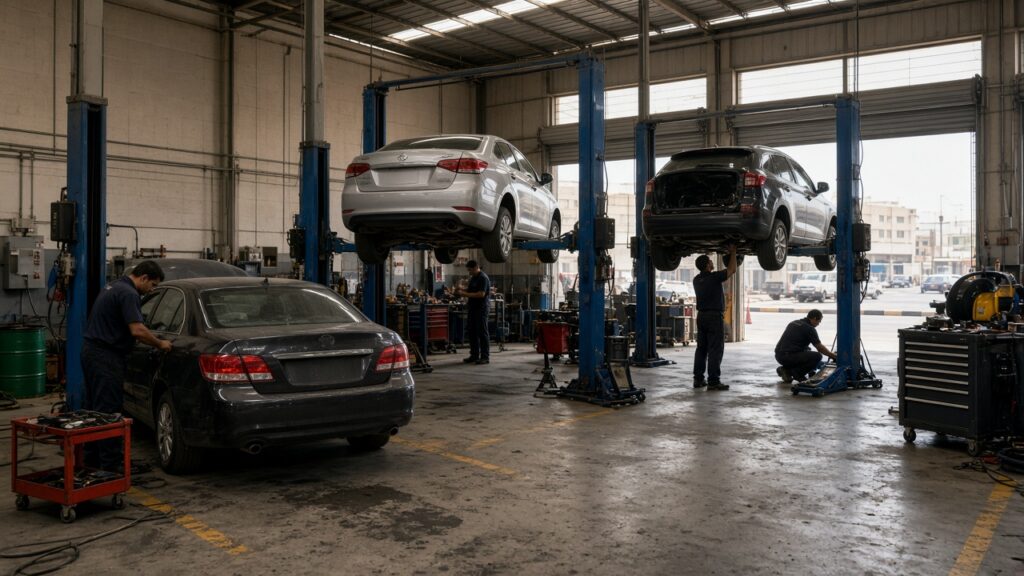
You would not take a medical emergency to a general store; why take your complex electric vehicle to a garage that treats it like a 20-year-old sedan? Electric vehicle workshop Dubai standards require specialized training.

The Heat Challenge in the UAE
The UAE environment is brutal on automotive components. When brake pads are consistently exposed to ambient temperatures often exceeding 45°C, their performance threshold is reached much faster. When you do engage your friction brakes, they are starting at a thermal disadvantage. If the pads are not serviced, cleaned, and lubricated, they can experience “glazing”—a process where the pad material crystallizes, turns smooth like glass, and loses its grip on the rotor.
This is why EV brake maintenance Sharjah and Dubai centers emphasize professional cleaning. Simply “checking” the pads isn’t enough; the calipers, sliders, and backing plates must be stripped, cleaned of sand and grime, and re-lubricated with high-temperature-resistant compounds.
Critical Services for Your Electric Vehicle
When you visit an electric car repair specialist Dubai, you should expect more than a quick inspection. Here are the core services that define a professional EV brake specialist Sharjah facility:
1. EV Brake Fluid Service Dubai
Brake fluid is hygroscopic—it absorbs moisture from the air. In our high-humidity environment, this happens faster than in cooler climates. As moisture content increases, the fluid’s boiling point drops. If your fluid boils during an emergency stop, your pedal will sink to the floor, and your car will not stop effectively. We recommend a full EV brake fluid service Dubai every 18 to 24 months, regardless of how “few” miles you have driven.
2. Tesla Brake System Diagnostics
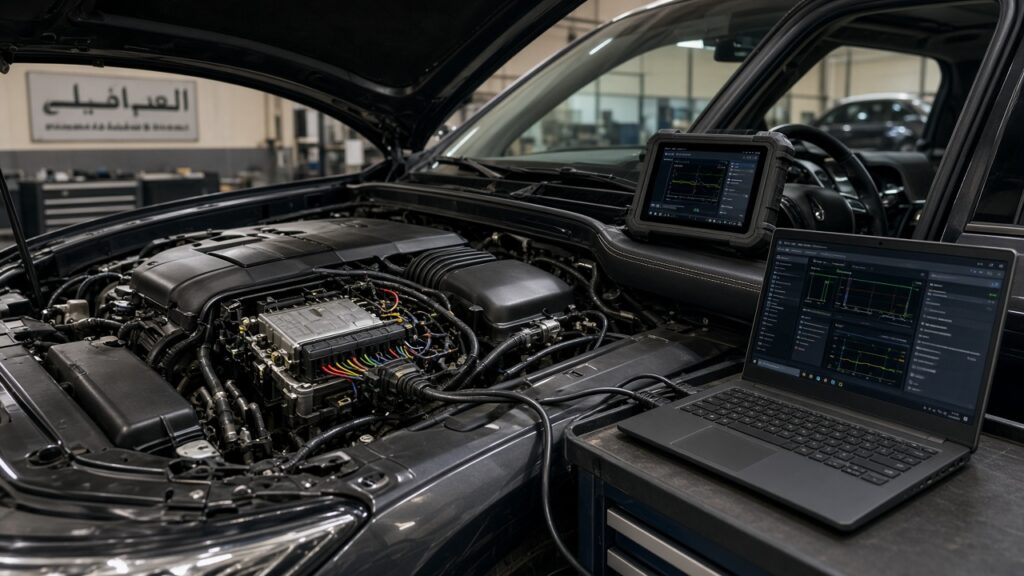
Tesla vehicles are essentially rolling computers. Their braking systems are deeply integrated with the vehicle’s stability control and Autopilot systems. Tesla brake system diagnostics require proprietary software tools that can read sensor data from the electronic parking brake and ABS modules. A standard scanner will not suffice.
3. Electric Car ABS Repair Sharjah
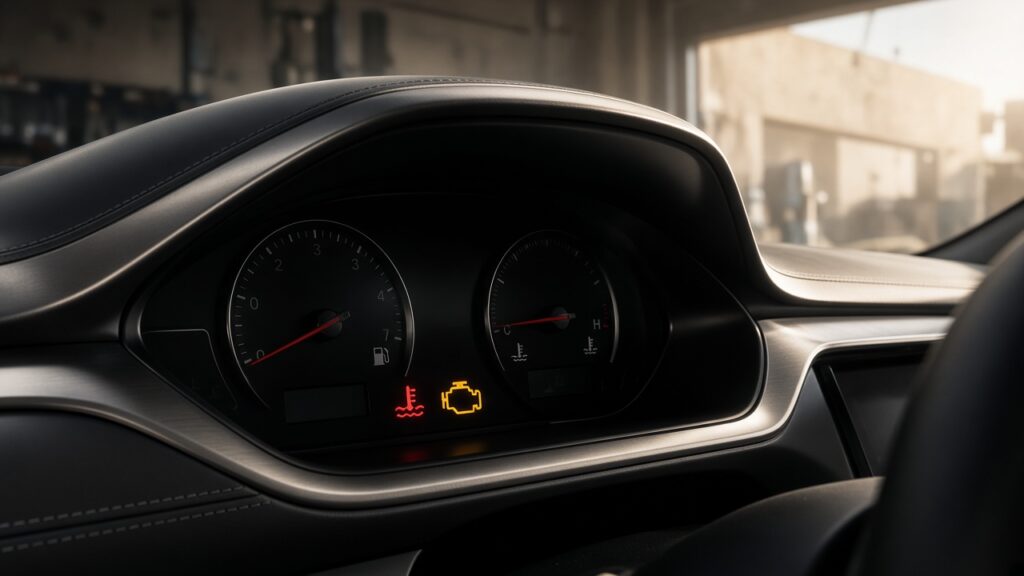
The Anti-lock Braking System (ABS) is a cornerstone of modern vehicle safety. In an EV, the ABS must manage the complex transition between regenerative braking and hydraulic pressure. If you are experiencing an EV brake warning light issue, it is often a sensor-related failure in the ABS module. Attempting a DIY fix or choosing a discount garage can lead to the disabling of your car’s safety features.
Identifying the Red Flags
Even the most advanced technology eventually shows signs of wear. Do not wait for a total system failure. Keep an eye (and ear) out for these symptoms:
-
The “Scrape” Sound: That initial grinding noise when you first drive off in the morning? That is surface rust being scraped off. If the sound persists throughout your drive, your rotors are likely pitted.
-
Spongy Pedal Feel: This is the hallmark of a critical EV braking performance issue. It indicates air in the lines or fluid degradation.
-
Visual Discoloration: If you look through your wheel rims and see a blue or dark purple tint on the rotors, they have been subjected to extreme heat stress.
-
The “Pull”: If your car pulls to one side during braking, one of your calipers is likely seized.
How to Protect Your Investment
Maintenance is about longevity. By adopting these habits, you can significantly extend the life of your braking system:
-
Occasional “Hard” Stops: Once a week, in a safe, empty area, use your friction brakes firmly from a moderate speed. This helps clean the rotors and ensures the calipers remain free.
-
Regular Inspections: Do not rely on mileage alone. In the UAE, schedule a visual brake inspection every 10,000 km or at every annual service.
-
Use the Right Parts: When the time comes for an EV brake pad replacement Dubai, ensure you are using pads designed for electric vehicles. These pads are often coated with specific materials to resist corrosion and are engineered to perform effectively even when they are “cold.”
Conclusion: Safety First
Your brakes are the most important safety system in your vehicle. While your EV offers efficiency and performance, it also demands responsibility. Whether you drive a daily commuter or a high-performance luxury electric, treating your braking system with the respect it deserves will pay dividends in safety and long-term costs.
If you are looking for a reliable, professional, and specialized service for your vehicle, reach out to our team at Smart Garage. We provide the technical expertise required to keep your vehicle operating at peak performance in the demanding UAE climate. Don’t compromise on your safety—book your professional brake assessment today.