Home About Services Brands Blog Contact
May 23, 2026 • Smart Garage Sharjah

Audi Oil Consumption Problem: What’s Really Happening in Your Engine?

Audi is an experience defined by performance, precision engineering, and luxury. However, many owners of these premium German machines eventually face a common, frustrating dashboard alert: the Audi check engine oil warning.

If you find yourself constantly carrying a spare quart of oil in your trunk or frequently pulling over due to a Audi low engine oil warning, you are not alone. The Audi oil consumption problem is one of the most widely discussed topics among luxury car enthusiasts and mechanics alike. While some oil usage is normal for high-performance turbocharged engines, an Audi excessive oil consumption issue indicates deep-seated mechanical or systemic vulnerabilities that require expert attention.

At Smart Garage, we specialize in diagnosing and resolving complex luxury vehicle issues. In this comprehensive guide, we will break down exactly why your engine is burning oil, the specific mechanical failures driving this issue, and how to get the definitive Audi oil consumption fix Dubai drivers rely on to keep their vehicles running flawlessly.

The Reality Behind the Audi Excessive Oil Consumption Issue

Every internal combustion engine consumes a fractional amount of oil to lubricate the moving parts within the cylinder walls. However, German-engineered powerplants—particularly Audi’s TFSI and TSI turbocharged engines—are built with incredibly tight tolerances and operate under high thermal stress.

When consumption crosses the threshold of more than one quart every 1,000 to 1,200 miles, it transitions from normal operational behavior to a severe Audi engine oil burning issue. Ignoring this problem doesn’t just mean spending more money on premium synthetic oil; it actively accelerates wear on vital components, leading to catalytic converter failure, heavy engine damage, and eventually requiring a complete Audi engine overhaul Sharjah or Dubai workshops charge a premium for if caught too late.

To fix the issue, one must first understand the root causes. Let’s look under the hood at the primary culprits behind this notorious Audi oil loss problem.

Top Root Causes of the Audi Oil Consumption Problem

1. The Notorious Audi Piston Ring Problem

The most frequent and severe cause of oil consumption in modern Audi engines (especially the 2.0T TFSI units manufactured between 2009 and 2017) stems from the factory design of the piston rings.

To satisfy stringent global emissions laws and maximize fuel efficiency, engineers designed ultra-thin, low-tension piston rings. The role of these rings is to seal the combustion chamber and scrape excess oil off the cylinder walls back into the oil pan.

Over time, these low-tension rings lose their spring force or become clogged. When this happens, engine oil bypasses the rings, enters the combustion chamber, and burns directly along with the fuel. This structural defect is known globally as the Audi piston ring problem. Once this process begins, the only permanent remedy is replacing the pistons and rings entirely, a highly technical process requiring an expert Audi engine specialist Sharjah or Dubai service center.

2. Failed Positive Crankcase Ventilation (PCV) Valve

The PCV system is responsible for recycling naturally occurring crankcase gases back into the engine’s intake manifold to be burned off safely. However, a faulty Audi PCV valve problem Audi owners run into can cause a major imbalance in crankcase pressure.

When the diaphragm inside the PCV valve tears or sticks open, it creates a powerful vacuum that sucks liquid engine oil directly out of the crankcase and pushes it into the intake track and combustion chambers. This results in massive oil loss and leads to a distinct Audi engine smoke problem, where bluish-grey smoke exits the exhaust pipes under acceleration.

3. Audi Carbon Buildup Issue

Because Audi utilizes Gasoline Direct Injection (GDI) technology across its TFSI lineup, fuel is sprayed directly into the combustion chamber rather than over the back of the intake valves. While excellent for power and efficiency, it means the intake valves are never “washed” by fuel.

When oil escapes past a faulty PCV valve or worn valve stem seals, it bakes onto the hot intake valves. This chronic Audi carbon buildup issue restricts airflow, causes engine misfires, degrades fuel economy, and worsens the oil burning cycle by altering the pressure dynamics within the cylinders.

4. Audi Turbo Oil Consumption Issue

Audi’s turbocharged engines rely on the engine’s oil supply to lubricate and cool the turbocharger’s internal turbine shaft, which spins at speeds exceeding 150,000 RPM.

The internal seals within the turbocharger can degrade due to high heat and age. When these seals fail, oil leaks directly into the hot exhaust housing or the intake compressor side. This specific Audi turbo oil consumption issue causes rapid oil depletion and noticeable power loss.

5. Standard External Engine Oil Leaks

Not all oil loss occurs inside the combustion chamber. High engine bay temperatures can dry out rubber gaskets and seals over time. Common sources of an Audi engine oil leak repair include:

  • Valve cover gaskets

  • Timing chain cover seals

  • Oil filter housing gaskets

  • Rear main seals

Symptoms Checklist: Is Your Audi Burning or Leaking Oil?

If your vehicle is suffering from an underlying engine issue, it will leave a trail of warning signs. Keep a lookout for these key indicators:

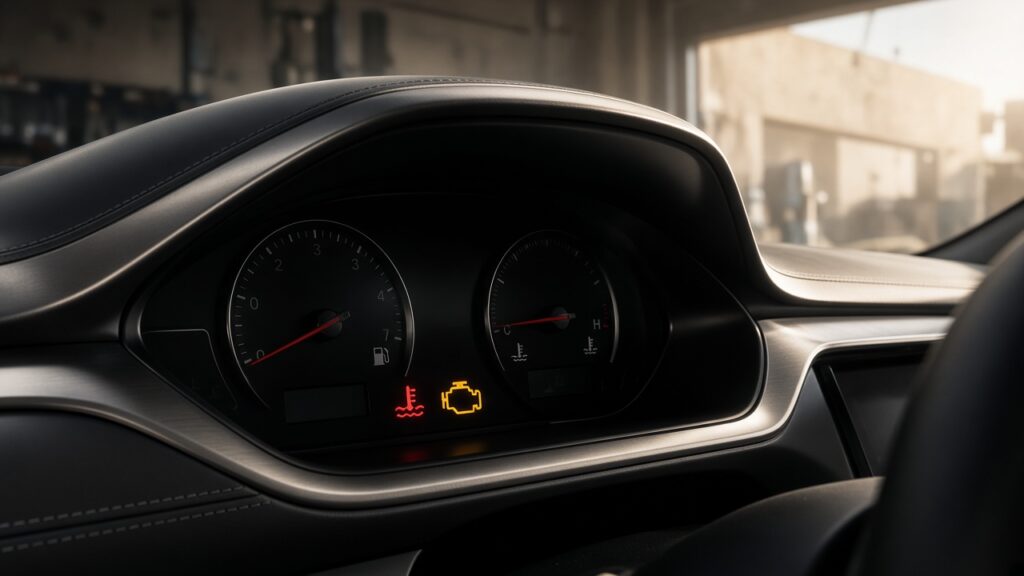
  • Frequent Dashboard Warnings: Seeing the Audi check engine oil warning light illuminate every few weeks.

  • Exhaust Smoke: A bluish or dark grey smoke emitting from the tailpipes during a cold start or heavy acceleration point to an Audi engine smoke problem.

  • Rough Idling and Misfires: Carbon accumulation on the valves and spark plugs fouled by burning oil will trigger a check engine light for cylinder misfires.

  • Puddles in the Driveway: Wet oil spots underneath your car indicate the need for an immediate Audi engine oil leak repair rather than an internal burning issue.

Step-by-Step Audi Engine Diagnostics Dubai

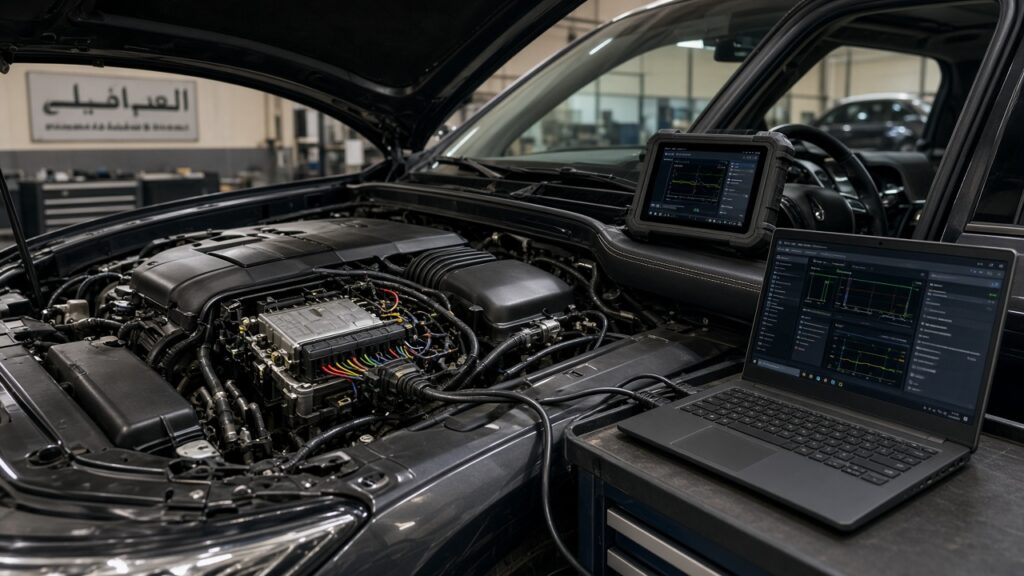
At Smart Garage, we never believe in guesswork. Throwing parts at an oil consumption problem is expensive and ineffective. Resolving an intricate luxury vehicle issue requires a systematic approach to Audi engine diagnostics Dubai drivers trust.

Our specialized process includes:

[Visual Leak Inspection] ➔ [PCV System Flow Test] ➔ [Cylinder Compression & Leak-Down Test] ➔ [Borescope Cylinder Inspection]
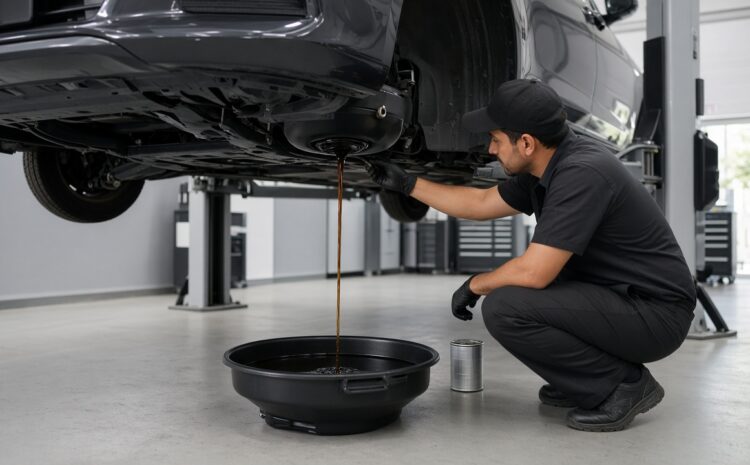
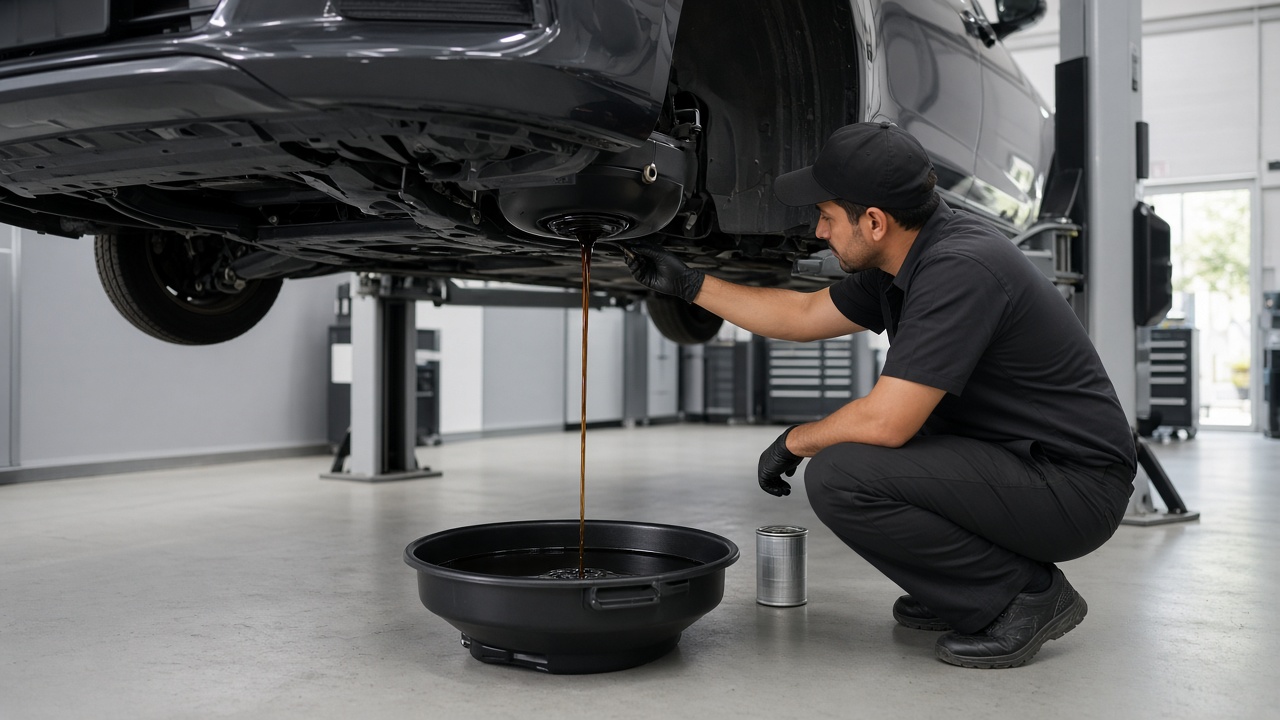
  1. Visual and Undercarriage Inspection: We trace all external avenues of oil loss, inspecting the valve covers, oil pan, and turbo lines.

  2. PCV Valve Diagnostic: We test the crankcase pressure using dedicated pressure gauges to isolate an Audi PCV valve problem Audi units frequently exhibit.

  3. Cylinder Compression & Leak-Down Test: This crucial diagnostic tells us whether the cylinder pressure is escaping past the valves or the piston rings, validating if the Audi piston ring problem is present.

  4. Borescope Inspection: We insert microscopic cameras directly into the spark plug ports to inspect the cylinder walls for scoring, checking the health of the cross-hatching and verifying the severity of the Audi carbon buildup issue.

The Solutions: How Smart Garage Fixes Your Audi’s Oil Loss

Depending on the exact outcome of our advanced diagnostic path, Smart Garage provides targeted, dealership-grade solutions tailored to your vehicle’s specific condition.

Minor Repairs: PCV Valve Replacement & Valve Cleaning

If your engine internals are healthy, fixing the issue might be as straightforward as replacing a failed PCV assembly. Additionally, we utilize advanced walnut-blasting techniques to safely clear out the Audi carbon buildup issue from your intake valves, restoring original airflow, improving performance, and stabilizing engine pressures.

Intermediate Repairs: Turbo Replacement & Gasket Seals

If our diagnostics point toward an Audi turbo oil consumption issue, our technicians can rebuild or replace the turbocharger unit using OEM parts, ensuring the oil lines and seals are perfectly pressurized. We also resolve external leaks by executing precision Audi engine oil leak repair on dried or cracked gaskets.

Major Interventions: Piston Ring Replacement & Engine Overhaul

When the oil control rings are completely compromised or the cylinder walls show signs of damage, minor fixes will no longer suffice. This requires dropping the engine block for a comprehensive internal intervention.

Our facility handles high-end Audi engine repair Dubai services, including full engine rebuilds. Our Audi engine overhaul Sharjah and Dubai teams strip the engine down to the bare block, clean the components, hone the cylinders, and install updated, redesigned OEM piston assemblies that feature wider oil return channels to permanently eradicate the Audi piston ring problem.

Why Choose Smart Garage for Your German Car Repair Dubai?

When dealing with high-performance German engineering, taking your vehicle to a generic, multi-car garage can result in improper diagnostic assessments and incomplete fixes.

Smart Garage stands out as the premier destination for German car repair Dubai:

  • Specialized Expertise: Our workshop features dedicated Audi engine specialist Sharjah and Dubai technicians who understand the architectural intricacies of V6 supercharged, Inline-4 TFSI, and twin-turbo V8 European engines.

  • Advanced Equipment: From factory-level diagnostic software to specialized engine timing tools, we run precise Audi engine troubleshooting UAE procedures.

  • Premium Infrastructure: Located conveniently to serve clients across the Emirates, we offer the ultimate Audi oil consumption fix Dubai infrastructure, combining speed, accuracy, and competitive pricing.

  • Genuine Parts Only: We use exclusively OEM or high-grade certified European aftermarket parts, ensuring your replacement gaskets, PCV valves, and piston rings last for years to come.

Preventative Tips to Keep Your Audi Engine Healthy

While some structural design flaws require mechanical replacement, you can slow down and minimize oil consumption through strict vehicle maintenance habits:

  1. Shorten Oil Change Intervals: Don’t wait for the factory-recommended 15,000-kilometer mark. In the harsh, high-heat climate of the UAE, changing your engine oil every 7,500 to 10,000 kilometers preserves the viscosity and keeps oil pathways clean.

  2. Use Specified Oil Grades: Always use fully synthetic oil that strictly meets the VW/Audi 502.00 / 504.00 / 508.00 oil quality standards. The wrong viscosity can accelerate ring wear and turbo breakdown.

  3. Address Misfires Early: If your car drives roughly, seek immediate diagnostics. Misfires cause unburnt fuel to wash down cylinder walls, diluting the oil layer and speeding up ring damage.

Conclusion: Don’t Let an Oil Issue Destroy Your Engine

An Audi oil loss problem can start as a minor annoyance, but ignoring it creates a dangerous domino effect inside your engine. Excess oil burning fouls spark plugs, destroys expensive catalytic converters, and leaves heavy carbon deposits that ultimately suffocate your engine’s performance.

If you are constantly battling an Audi excessive oil consumption issue, let the professionals look under the hood. Bring your vehicle to Smart Garage for a comprehensive evaluation. Whether it’s a simple gasket swap, a PCV replacement, or an advanced Audi engine overhaul Sharjah service, our team will restore your vehicle back to factory specifications.

Visit our website at Smart Garage or call our service department today to book an expert Audi engine diagnostic slot!

Frequently Asked Questions (FAQs)

Q1: Why does my Audi burn oil but show no signs of an external leak?

This occurs because the oil is leaking internally into the combustion chamber—most commonly due to a failed PCV valve or worn piston rings. The engine burns the oil dynamically during the combustion cycle, which is why you won’t see puddles on your driveway.

Q2: Is it safe to drive my Audi if the low engine oil warning light is on?

No, it is not safe. If the Audi low engine oil warning turns on, it means your oil level has dropped to a critical minimum. Driving with low oil levels reduces oil pressure and lubrication, which can cause catastrophic, irreversible internal engine friction damage within minutes.

Q3: How long does a professional Audi engine diagnostic take?

At Smart Garage, a thorough round of Audi engine diagnostics Dubai takes anywhere from 2 to 4 hours. This includes computerized scans, physical pressure testing of the PCV valve, and endoscopic camera checks inside the engine cylinders to pinpoint the exact failure point.

Q4: Can carbon buildup cause my car to consume more oil?

Yes, indirectly. Severe Audi carbon buildup issue on the intake valves restricts regular engine airflow and alters the internal vacuum pressures. This increased vacuum pressure can draw more oil vapor through the PCV valve and past the valve seals into the cylinders.

Q5: What models are most affected by the Audi piston ring problem?

The piston ring issue is most frequently documented in Audi vehicles equipped with 2.0-liter TFSI longitudinal engines built between 2009 and 2017 (including popular models like the Audi A4, A5, Q5, and A6). Updated piston designs used in later years have significantly mitigated this defect.
 Audi Oil Consumption Problem: What’s Really Happening in Your Engine?

Audi Oil Consumption Problem: What’s Really Happening in Your Engine?

Audi is an experience defined by performance, precision engineering, and luxury. However, many owners of these premium German machines eventually face a common, frustrating dashboard alert: the Audi check engine oil warning.

If you find yourself constantly carrying a spare quart of oil in your trunk or frequently pulling over due to a Audi low engine oil warning, you are not alone. The Audi oil consumption problem is one of the most widely discussed topics among luxury car enthusiasts and mechanics alike. While some oil usage is normal for high-performance turbocharged engines, an Audi excessive oil consumption issue indicates deep-seated mechanical or systemic vulnerabilities that require expert attention.

At Smart Garage, we specialize in diagnosing and resolving complex luxury vehicle issues. In this comprehensive guide, we will break down exactly why your engine is burning oil, the specific mechanical failures driving this issue, and how to get the definitive Audi oil consumption fix Dubai drivers rely on to keep their vehicles running flawlessly.

The Reality Behind the Audi Excessive Oil Consumption Issue

Every internal combustion engine consumes a fractional amount of oil to lubricate the moving parts within the cylinder walls. However, German-engineered powerplants—particularly Audi’s TFSI and TSI turbocharged engines—are built with incredibly tight tolerances and operate under high thermal stress.

When consumption crosses the threshold of more than one quart every 1,000 to 1,200 miles, it transitions from normal operational behavior to a severe Audi engine oil burning issue. Ignoring this problem doesn’t just mean spending more money on premium synthetic oil; it actively accelerates wear on vital components, leading to catalytic converter failure, heavy engine damage, and eventually requiring a complete Audi engine overhaul Sharjah or Dubai workshops charge a premium for if caught too late.

To fix the issue, one must first understand the root causes. Let’s look under the hood at the primary culprits behind this notorious Audi oil loss problem.

Top Root Causes of the Audi Oil Consumption Problem

1. The Notorious Audi Piston Ring Problem

The most frequent and severe cause of oil consumption in modern Audi engines (especially the 2.0T TFSI units manufactured between 2009 and 2017) stems from the factory design of the piston rings.

To satisfy stringent global emissions laws and maximize fuel efficiency, engineers designed ultra-thin, low-tension piston rings. The role of these rings is to seal the combustion chamber and scrape excess oil off the cylinder walls back into the oil pan.

Over time, these low-tension rings lose their spring force or become clogged. When this happens, engine oil bypasses the rings, enters the combustion chamber, and burns directly along with the fuel. This structural defect is known globally as the Audi piston ring problem. Once this process begins, the only permanent remedy is replacing the pistons and rings entirely, a highly technical process requiring an expert Audi engine specialist Sharjah or Dubai service center.

2. Failed Positive Crankcase Ventilation (PCV) Valve

The PCV system is responsible for recycling naturally occurring crankcase gases back into the engine’s intake manifold to be burned off safely. However, a faulty Audi PCV valve problem Audi owners run into can cause a major imbalance in crankcase pressure.

When the diaphragm inside the PCV valve tears or sticks open, it creates a powerful vacuum that sucks liquid engine oil directly out of the crankcase and pushes it into the intake track and combustion chambers. This results in massive oil loss and leads to a distinct Audi engine smoke problem, where bluish-grey smoke exits the exhaust pipes under acceleration.

3. Audi Carbon Buildup Issue

Because Audi utilizes Gasoline Direct Injection (GDI) technology across its TFSI lineup, fuel is sprayed directly into the combustion chamber rather than over the back of the intake valves. While excellent for power and efficiency, it means the intake valves are never “washed” by fuel.

When oil escapes past a faulty PCV valve or worn valve stem seals, it bakes onto the hot intake valves. This chronic Audi carbon buildup issue restricts airflow, causes engine misfires, degrades fuel economy, and worsens the oil burning cycle by altering the pressure dynamics within the cylinders.

4. Audi Turbo Oil Consumption Issue

Audi’s turbocharged engines rely on the engine’s oil supply to lubricate and cool the turbocharger’s internal turbine shaft, which spins at speeds exceeding 150,000 RPM.

The internal seals within the turbocharger can degrade due to high heat and age. When these seals fail, oil leaks directly into the hot exhaust housing or the intake compressor side. This specific Audi turbo oil consumption issue causes rapid oil depletion and noticeable power loss.

5. Standard External Engine Oil Leaks

Not all oil loss occurs inside the combustion chamber. High engine bay temperatures can dry out rubber gaskets and seals over time. Common sources of an Audi engine oil leak repair include:

  • Valve cover gaskets

  • Timing chain cover seals

  • Oil filter housing gaskets

  • Rear main seals

Symptoms Checklist: Is Your Audi Burning or Leaking Oil?

If your vehicle is suffering from an underlying engine issue, it will leave a trail of warning signs. Keep a lookout for these key indicators:

  • Frequent Dashboard Warnings: Seeing the Audi check engine oil warning light illuminate every few weeks.

  • Exhaust Smoke: A bluish or dark grey smoke emitting from the tailpipes during a cold start or heavy acceleration point to an Audi engine smoke problem.

  • Rough Idling and Misfires: Carbon accumulation on the valves and spark plugs fouled by burning oil will trigger a check engine light for cylinder misfires.

  • Puddles in the Driveway: Wet oil spots underneath your car indicate the need for an immediate Audi engine oil leak repair rather than an internal burning issue.

Step-by-Step Audi Engine Diagnostics Dubai

At Smart Garage, we never believe in guesswork. Throwing parts at an oil consumption problem is expensive and ineffective. Resolving an intricate luxury vehicle issue requires a systematic approach to Audi engine diagnostics Dubai drivers trust.

Our specialized process includes:

[Visual Leak Inspection] ➔ [PCV System Flow Test] ➔ [Cylinder Compression & Leak-Down Test] ➔ [Borescope Cylinder Inspection]
  1. Visual and Undercarriage Inspection: We trace all external avenues of oil loss, inspecting the valve covers, oil pan, and turbo lines.

  2. PCV Valve Diagnostic: We test the crankcase pressure using dedicated pressure gauges to isolate an Audi PCV valve problem Audi units frequently exhibit.

  3. Cylinder Compression & Leak-Down Test: This crucial diagnostic tells us whether the cylinder pressure is escaping past the valves or the piston rings, validating if the Audi piston ring problem is present.

  4. Borescope Inspection: We insert microscopic cameras directly into the spark plug ports to inspect the cylinder walls for scoring, checking the health of the cross-hatching and verifying the severity of the Audi carbon buildup issue.

The Solutions: How Smart Garage Fixes Your Audi’s Oil Loss

Depending on the exact outcome of our advanced diagnostic path, Smart Garage provides targeted, dealership-grade solutions tailored to your vehicle’s specific condition.

Minor Repairs: PCV Valve Replacement & Valve Cleaning

If your engine internals are healthy, fixing the issue might be as straightforward as replacing a failed PCV assembly. Additionally, we utilize advanced walnut-blasting techniques to safely clear out the Audi carbon buildup issue from your intake valves, restoring original airflow, improving performance, and stabilizing engine pressures.

Intermediate Repairs: Turbo Replacement & Gasket Seals

If our diagnostics point toward an Audi turbo oil consumption issue, our technicians can rebuild or replace the turbocharger unit using OEM parts, ensuring the oil lines and seals are perfectly pressurized. We also resolve external leaks by executing precision Audi engine oil leak repair on dried or cracked gaskets.

Major Interventions: Piston Ring Replacement & Engine Overhaul

When the oil control rings are completely compromised or the cylinder walls show signs of damage, minor fixes will no longer suffice. This requires dropping the engine block for a comprehensive internal intervention.

Our facility handles high-end Audi engine repair Dubai services, including full engine rebuilds. Our Audi engine overhaul Sharjah and Dubai teams strip the engine down to the bare block, clean the components, hone the cylinders, and install updated, redesigned OEM piston assemblies that feature wider oil return channels to permanently eradicate the Audi piston ring problem.

Why Choose Smart Garage for Your German Car Repair Dubai?

When dealing with high-performance German engineering, taking your vehicle to a generic, multi-car garage can result in improper diagnostic assessments and incomplete fixes.

Smart Garage stands out as the premier destination for German car repair Dubai:

  • Specialized Expertise: Our workshop features dedicated Audi engine specialist Sharjah and Dubai technicians who understand the architectural intricacies of V6 supercharged, Inline-4 TFSI, and twin-turbo V8 European engines.

  • Advanced Equipment: From factory-level diagnostic software to specialized engine timing tools, we run precise Audi engine troubleshooting UAE procedures.

  • Premium Infrastructure: Located conveniently to serve clients across the Emirates, we offer the ultimate Audi oil consumption fix Dubai infrastructure, combining speed, accuracy, and competitive pricing.

  • Genuine Parts Only: We use exclusively OEM or high-grade certified European aftermarket parts, ensuring your replacement gaskets, PCV valves, and piston rings last for years to come.

Preventative Tips to Keep Your Audi Engine Healthy

While some structural design flaws require mechanical replacement, you can slow down and minimize oil consumption through strict vehicle maintenance habits:

  1. Shorten Oil Change Intervals: Don’t wait for the factory-recommended 15,000-kilometer mark. In the harsh, high-heat climate of the UAE, changing your engine oil every 7,500 to 10,000 kilometers preserves the viscosity and keeps oil pathways clean.

  2. Use Specified Oil Grades: Always use fully synthetic oil that strictly meets the VW/Audi 502.00 / 504.00 / 508.00 oil quality standards. The wrong viscosity can accelerate ring wear and turbo breakdown.

  3. Address Misfires Early: If your car drives roughly, seek immediate diagnostics. Misfires cause unburnt fuel to wash down cylinder walls, diluting the oil layer and speeding up ring damage.

Conclusion: Don’t Let an Oil Issue Destroy Your Engine

An Audi oil loss problem can start as a minor annoyance, but ignoring it creates a dangerous domino effect inside your engine. Excess oil burning fouls spark plugs, destroys expensive catalytic converters, and leaves heavy carbon deposits that ultimately suffocate your engine’s performance.

If you are constantly battling an Audi excessive oil consumption issue, let the professionals look under the hood. Bring your vehicle to Smart Garage for a comprehensive evaluation. Whether it’s a simple gasket swap, a PCV replacement, or an advanced Audi engine overhaul Sharjah service, our team will restore your vehicle back to factory specifications.

Visit our website at Smart Garage or call our service department today to book an expert Audi engine diagnostic slot!

Frequently Asked Questions (FAQs)

Q1: Why does my Audi burn oil but show no signs of an external leak?

This occurs because the oil is leaking internally into the combustion chamber—most commonly due to a failed PCV valve or worn piston rings. The engine burns the oil dynamically during the combustion cycle, which is why you won’t see puddles on your driveway.

Q2: Is it safe to drive my Audi if the low engine oil warning light is on?

No, it is not safe. If the Audi low engine oil warning turns on, it means your oil level has dropped to a critical minimum. Driving with low oil levels reduces oil pressure and lubrication, which can cause catastrophic, irreversible internal engine friction damage within minutes.

Q3: How long does a professional Audi engine diagnostic take?

At Smart Garage, a thorough round of Audi engine diagnostics Dubai takes anywhere from 2 to 4 hours. This includes computerized scans, physical pressure testing of the PCV valve, and endoscopic camera checks inside the engine cylinders to pinpoint the exact failure point.

Q4: Can carbon buildup cause my car to consume more oil?

Yes, indirectly. Severe Audi carbon buildup issue on the intake valves restricts regular engine airflow and alters the internal vacuum pressures. This increased vacuum pressure can draw more oil vapor through the PCV valve and past the valve seals into the cylinders.

Q5: What models are most affected by the Audi piston ring problem?

The piston ring issue is most frequently documented in Audi vehicles equipped with 2.0-liter TFSI longitudinal engines built between 2009 and 2017 (including popular models like the Audi A4, A5, Q5, and A6). Updated piston designs used in later years have significantly mitigated this defect.

Leave a Reply

Your email address will not be published. Required fields are marked *

Smart Garage
Service Advisor
Online
Smart Garage
Hello! How can we help you with your car today? 👋
Just now
1