Home About Services Brands Blog Contact
November 03, 2025 • Smart Garage Sharjah

Decoding Your Dashboard: 7 Common Reasons Your Check Engine Light is On

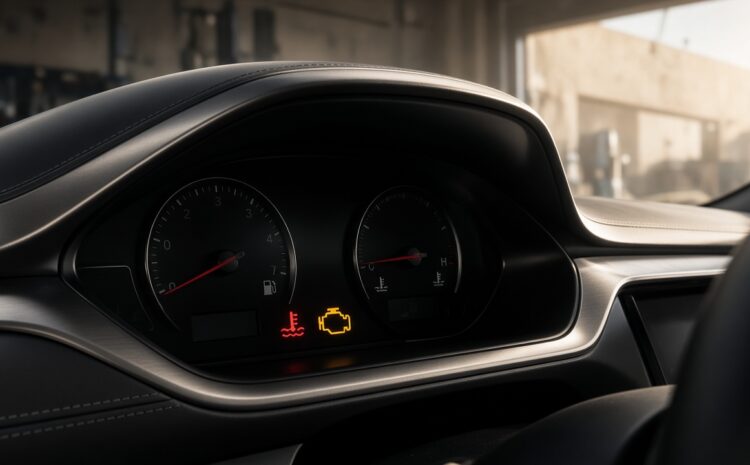
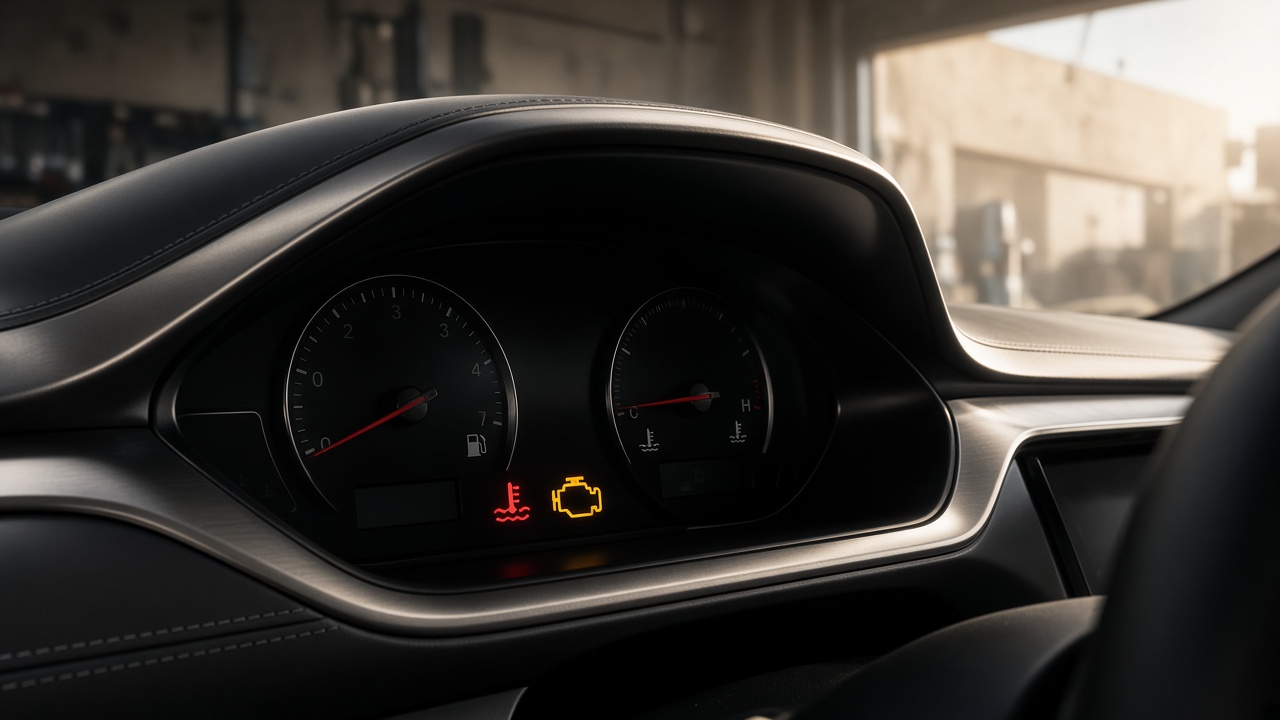
Seeing that little amber engine symbol light up on your dashboard can be an unsettling moment for any driver. It’s a universal sign that something needs your attention. This light is your vehicle’s primary method of communication, indicating that its onboard computer system has detected a problem with the engine, transmission, or emissions system. But don’t panic. While it should never be ignored, understanding what it means is the first step toward a solution and preventing a small issue from becoming a major headache.

First, it’s crucial to know the difference between a solid and a flashing light. A solid, steady light typically means the issue is not an immediate emergency, but it needs to be checked by a professional soon. However, a flashing or blinking light signals a serious problem, like a severe engine misfire, that could be causing immediate and expensive damage to critical components like your catalytic converter. If your check engine light is flashing, the safest thing to do is pull over as soon as it’s safe, turn off the engine, and call for assistance to prevent irreversible harm.

The 7 Most Common Reasons for a Check Engine Light

Here are the most frequent culprits behind that glowing light on your dash. While some are simple fixes, many point to issues that require professional attention from a workshop specializing in Engine & Transmission Services to prevent further damage.

  1. Your Gas Cap is Loose or Faulty

    This is surprisingly the most common and easiest-to-fix reason. The gas cap is a vital part of your car’s evaporative emission system (EVAP), which prevents gasoline vapors from escaping into the atmosphere. If the cap is loose, broken, or missing, the system detects this as a significant leak, triggering the light. Before you worry, find a safe place to pull over, ensure your gas cap is tightened until it clicks at least once, and then continue driving. It may take a few trips for the car’s computer to reset and the light to turn off.

  2. A Bad Oxygen (O2) Sensor

    The O2 sensor plays a critical role in your vehicle’s efficiency by measuring the amount of unburned oxygen in your exhaust system. This data is sent to your car’s computer, which uses it to adjust the air-fuel mixture for optimal performance and fuel economy. When an O2 sensor fails, the computer receives incorrect data, often leading to a noticeable decrease in fuel efficiency. If left unchecked, a faulty sensor can eventually cause damage to more expensive parts like your spark plugs and catalytic converter.

  3. Your Catalytic Converter is Failing

    This is one of the more serious and expensive repairs. The catalytic converter is a crucial part of your exhaust system that converts harmful pollutants like carbon monoxide into less harmful emissions. Its failure is often not a random event but a consequence of neglecting other issues, such as a bad O2 sensor or worn-out spark plugs that cause the engine to run improperly. Common symptoms of a failing catalytic converter include sluggish acceleration, a distinct “rotten egg” smell from the exhaust, or reduced overall engine performance.

  4. Worn-Out Spark Plugs or Ignition Coils

    Spark plugs are responsible for igniting the air-fuel mixture in your engine’s cylinders, creating the combustion that powers your vehicle. Over time, they wear out and become less effective, which can lead to an engine misfire. The ignition coils provide the high-voltage electricity for the spark plugs to work. A fault in either component will be detected by your car’s computer, illuminating the check engine light. You might notice symptoms like a rough, shaky idle, hesitation when you accelerate, or a general lack of power.

  5. A Faulty Mass Airflow (MAF) Sensor

    The MAF sensor is essential for measuring the amount of air entering the engine. This information is critical for the car’s computer to determine the correct amount of fuel to inject for efficient combustion. If the sensor is dirty or faulty, it can send inaccurate data, causing the engine to run too rich (too much fuel) or too lean (not enough fuel). This can lead to stalling, rough idling, poor fuel economy, and difficulty starting the engine.

  6. Problems with the EGR Valve

    The Exhaust Gas Recirculation (EGR) valve is an emissions control device that helps reduce pollutants by redirecting a small amount of your exhaust gas back into the engine cylinders. This process lowers combustion temperatures and reduces NOx emissions. If the valve gets clogged with carbon deposits or becomes stuck open or closed, it can disrupt engine performance and will trigger the check engine light. A faulty EGR valve often leads to a rough idle or a failed emissions test.

  7. A Vacuum Leak

    Your engine relies on a vacuum system for various functions, and this system is sealed by a network of rubber hoses. Over time, these hoses can become brittle, crack, or come loose, causing a “vacuum leak.” This leak disrupts the delicate air-fuel balance that the engine’s computer works hard to maintain, causing the check engine light to come on. A common sign of a vacuum leak is a noticeable hissing sound coming from under the hood when the engine is running.

What Should You Do Now?

While this guide offers a starting point, the only way to know the exact cause is with a professional diagnostic scan. A technician uses a specialized tool to connect to your vehicle’s onboard computer and read the specific error code (like P0420) that triggered the light. This code doesn’t tell you which part to replace; it tells you what fault the system detected. A professional diagnosis is necessary to interpret that code and perform further tests to pinpoint the precise problem, removing the guesswork and preventing you from replacing parts unnecessarily.

Ignoring the light, even if your car seems to be driving normally, is a significant risk. A small, inexpensive issue like a failing sensor can escalate into a major, costly repair, such as a completely damaged catalytic converter. Addressing the problem promptly not only ensures your safety and the reliability of your vehicle but also saves you time and money in the long run.

For a fast and accurate diagnosis, bring your vehicle to the experts. At Smart Garage, our certified technicians have the advanced diagnostic tools and expertise to read the code, accurately diagnose the underlying issue, and get you back on the road safely and quickly.
 

 Decoding Your Dashboard: 7 Common Reasons Your Check Engine Light is On

Decoding Your Dashboard: 7 Common Reasons Your Check Engine Light is On

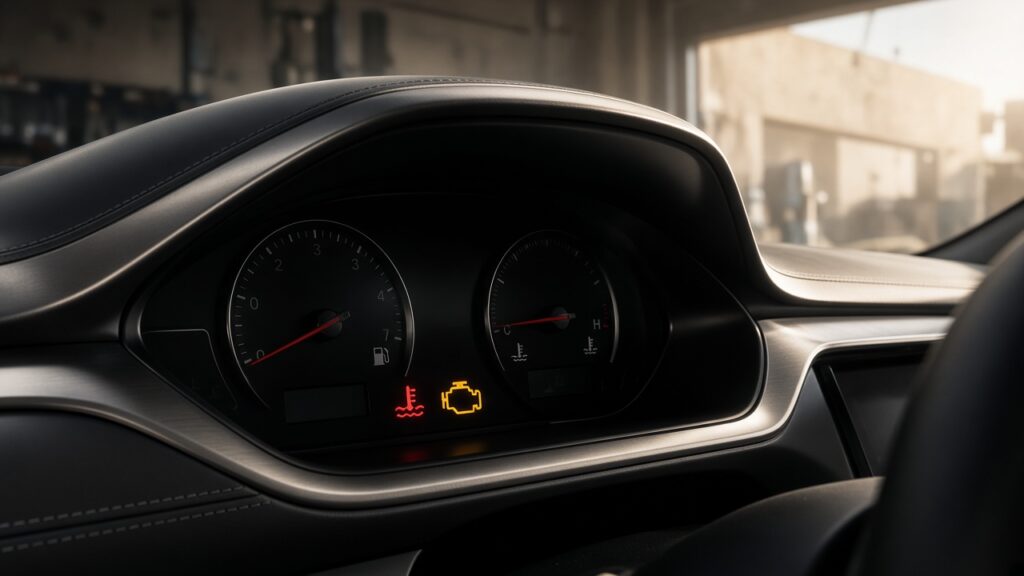
Seeing that little amber engine symbol light up on your dashboard can be an unsettling moment for any driver. It’s a universal sign that something needs your attention. This light is your vehicle’s primary method of communication, indicating that its onboard computer system has detected a problem with the engine, transmission, or emissions system. But don’t panic. While it should never be ignored, understanding what it means is the first step toward a solution and preventing a small issue from becoming a major headache.

First, it’s crucial to know the difference between a solid and a flashing light. A solid, steady light typically means the issue is not an immediate emergency, but it needs to be checked by a professional soon. However, a flashing or blinking light signals a serious problem, like a severe engine misfire, that could be causing immediate and expensive damage to critical components like your catalytic converter. If your check engine light is flashing, the safest thing to do is pull over as soon as it’s safe, turn off the engine, and call for assistance to prevent irreversible harm.

The 7 Most Common Reasons for a Check Engine Light

Here are the most frequent culprits behind that glowing light on your dash. While some are simple fixes, many point to issues that require professional attention from a workshop specializing in Engine & Transmission Services to prevent further damage.

  1. Your Gas Cap is Loose or Faulty

    This is surprisingly the most common and easiest-to-fix reason. The gas cap is a vital part of your car’s evaporative emission system (EVAP), which prevents gasoline vapors from escaping into the atmosphere. If the cap is loose, broken, or missing, the system detects this as a significant leak, triggering the light. Before you worry, find a safe place to pull over, ensure your gas cap is tightened until it clicks at least once, and then continue driving. It may take a few trips for the car’s computer to reset and the light to turn off.

  2. A Bad Oxygen (O2) Sensor

    The O2 sensor plays a critical role in your vehicle’s efficiency by measuring the amount of unburned oxygen in your exhaust system. This data is sent to your car’s computer, which uses it to adjust the air-fuel mixture for optimal performance and fuel economy. When an O2 sensor fails, the computer receives incorrect data, often leading to a noticeable decrease in fuel efficiency. If left unchecked, a faulty sensor can eventually cause damage to more expensive parts like your spark plugs and catalytic converter.

  3. Your Catalytic Converter is Failing

    This is one of the more serious and expensive repairs. The catalytic converter is a crucial part of your exhaust system that converts harmful pollutants like carbon monoxide into less harmful emissions. Its failure is often not a random event but a consequence of neglecting other issues, such as a bad O2 sensor or worn-out spark plugs that cause the engine to run improperly. Common symptoms of a failing catalytic converter include sluggish acceleration, a distinct “rotten egg” smell from the exhaust, or reduced overall engine performance.

  4. Worn-Out Spark Plugs or Ignition Coils

    Spark plugs are responsible for igniting the air-fuel mixture in your engine’s cylinders, creating the combustion that powers your vehicle. Over time, they wear out and become less effective, which can lead to an engine misfire. The ignition coils provide the high-voltage electricity for the spark plugs to work. A fault in either component will be detected by your car’s computer, illuminating the check engine light. You might notice symptoms like a rough, shaky idle, hesitation when you accelerate, or a general lack of power.

  5. A Faulty Mass Airflow (MAF) Sensor

    The MAF sensor is essential for measuring the amount of air entering the engine. This information is critical for the car’s computer to determine the correct amount of fuel to inject for efficient combustion. If the sensor is dirty or faulty, it can send inaccurate data, causing the engine to run too rich (too much fuel) or too lean (not enough fuel). This can lead to stalling, rough idling, poor fuel economy, and difficulty starting the engine.

  6. Problems with the EGR Valve

    The Exhaust Gas Recirculation (EGR) valve is an emissions control device that helps reduce pollutants by redirecting a small amount of your exhaust gas back into the engine cylinders. This process lowers combustion temperatures and reduces NOx emissions. If the valve gets clogged with carbon deposits or becomes stuck open or closed, it can disrupt engine performance and will trigger the check engine light. A faulty EGR valve often leads to a rough idle or a failed emissions test.

  7. A Vacuum Leak

    Your engine relies on a vacuum system for various functions, and this system is sealed by a network of rubber hoses. Over time, these hoses can become brittle, crack, or come loose, causing a “vacuum leak.” This leak disrupts the delicate air-fuel balance that the engine’s computer works hard to maintain, causing the check engine light to come on. A common sign of a vacuum leak is a noticeable hissing sound coming from under the hood when the engine is running.

What Should You Do Now?

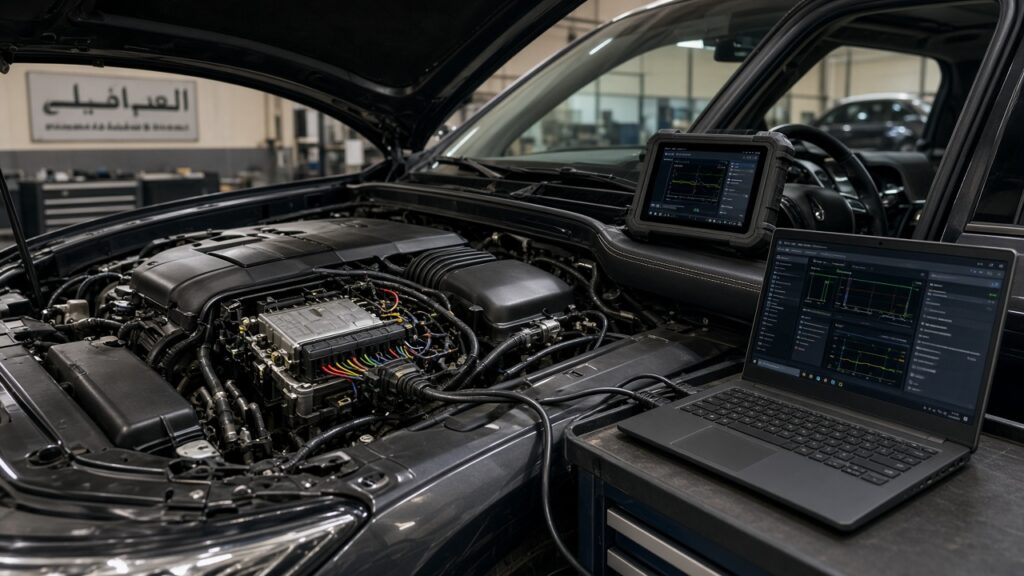
While this guide offers a starting point, the only way to know the exact cause is with a professional diagnostic scan. A technician uses a specialized tool to connect to your vehicle’s onboard computer and read the specific error code (like P0420) that triggered the light. This code doesn’t tell you which part to replace; it tells you what fault the system detected. A professional diagnosis is necessary to interpret that code and perform further tests to pinpoint the precise problem, removing the guesswork and preventing you from replacing parts unnecessarily.

Ignoring the light, even if your car seems to be driving normally, is a significant risk. A small, inexpensive issue like a failing sensor can escalate into a major, costly repair, such as a completely damaged catalytic converter. Addressing the problem promptly not only ensures your safety and the reliability of your vehicle but also saves you time and money in the long run.

For a fast and accurate diagnosis, bring your vehicle to the experts. At Smart Garage, our certified technicians have the advanced diagnostic tools and expertise to read the code, accurately diagnose the underlying issue, and get you back on the road safely and quickly.
 

Leave a Reply

Your email address will not be published. Required fields are marked *

Smart Garage
Service Advisor
Online
Smart Garage
Hello! How can we help you with your car today? 👋
Just now
1