Home About Services Brands Blog Contact
April 07, 2026 • Smart Garage Sharjah

Digital Twins for Luxury Cars: Predicting Your Next Repair Before It Happens

The automotive industry is no longer just about horsepower and leather interiors; it is about data, connectivity, and foresight. For the luxury car owner, the ultimate convenience isn’t just a smooth ride it’s never having to worry about a breakdown. This is where Digital Twin technology steps in, acting as a virtual guardian for your high-end vehicle. By creating a real-time, digital mirror of your car, manufacturers and service providers can now predict mechanical failures, optimize performance, and ensure that your next repair is scheduled before the physical component even shows signs of wear.

The Evolution of Predictive Maintenance in High-End Vehicles

Luxury vehicles are increasingly becoming “software-defined.” Unlike traditional cars that rely on scheduled service intervals every 10,000 miles or six months luxury brands are moving toward a proactive maintenance model. This shift is powered by Digital Twins: high-fidelity virtual replicas that live in the cloud and receive a constant stream of data from your car’s onboard sensors.

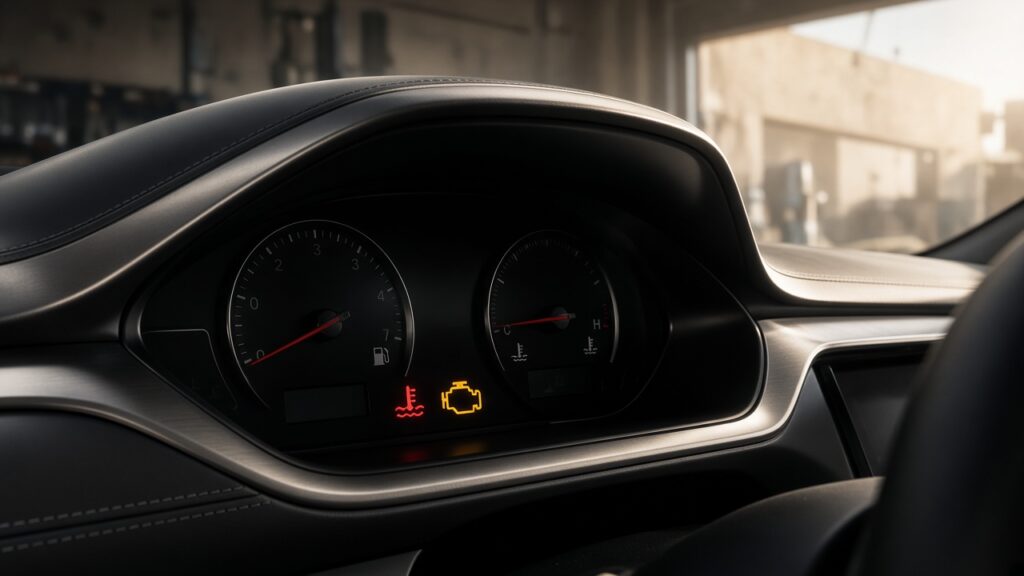
These models don’t just track mileage; they analyze your specific driving habits, the climate you drive in, and the unique stresses placed on your vehicle’s engine and electrical systems. For example, if you frequently drive in high-temperature environments, your digital twin understands that your cooling system and battery are under more strain than a car driven in a temperate climate. It can then forecast a battery replacement sharjah or a coolant flush weeks before a sensor on the dashboard turns red. This data-driven precision reduces unnecessary parts replacements by up to 40% and cuts troubleshooting time by nearly half.

How Digital Twin Technology Works Under the Hood

To understand how a Digital Twin predicts your next repair, we must look at the three-way interaction between the physical car, the virtual model, and the AI-driven analytics.

1. The Physical Asset and Sensor Fusion

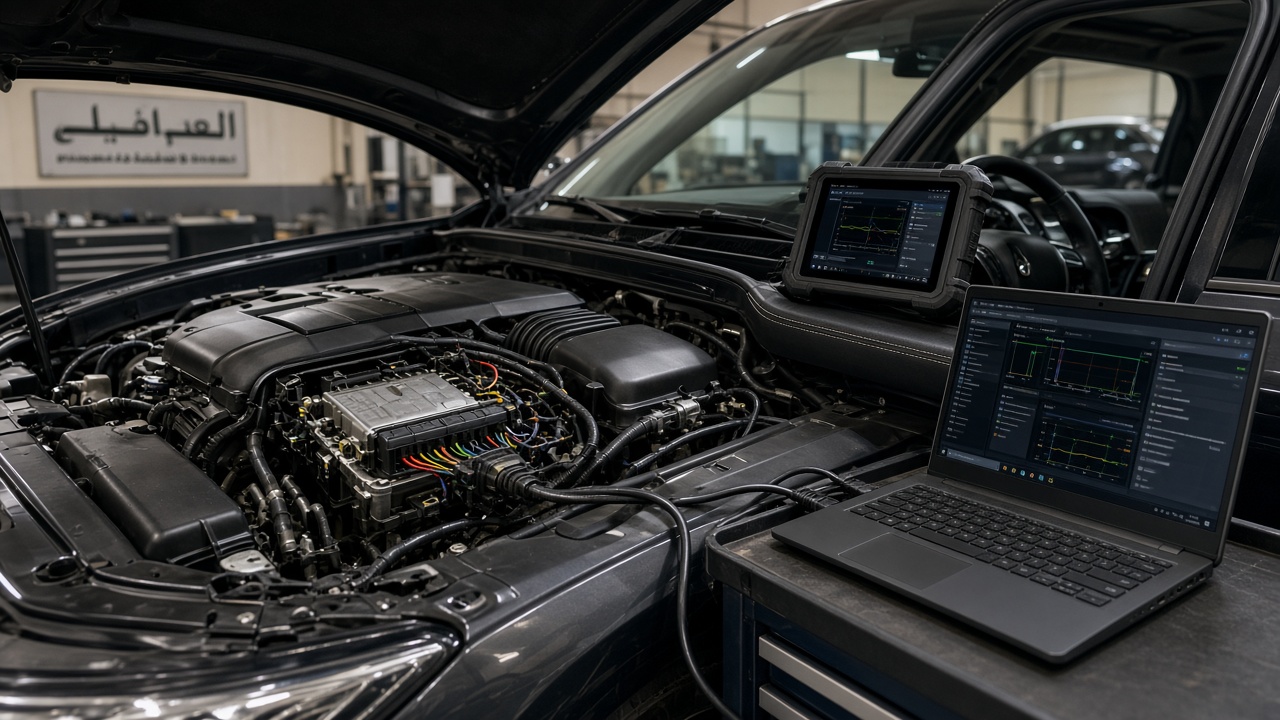
Modern luxury cars are equipped with hundreds of sensors. These sensors monitor everything from tire pressure and brake pad thickness to the subtle vibrations in the transmission. This data is transmitted via high-speed telematics to the manufacturer’s servers.

2. The Virtual Replica (The Twin)

The Digital Twin is a sophisticated mathematical model that mirrors the car’s physical state. It incorporates the vehicle’s original engineering specifications, its maintenance history, and the real-time sensor data. This creates a “closed-loop” system where the digital model evolves alongside the physical car.

3. AI and Machine Learning Algorithms
This is where the “prediction” happens. AI algorithms compare the real-time data from your car against millions of data points from other vehicles in the fleet. If the AI detects a pattern—perhaps a specific vibration frequency that historically precedes a turbocharger failure—it flags the issue immediately.

The Benefits: Why Your Luxury Experience Depends on a Twin

The integration of Digital Twins into the luxury car ecosystem offers more than just mechanical reliability; it offers a seamless lifestyle.

Eliminating the “Emergency” from Repairs: By identifying issues in their infancy, you can schedule service at your convenience rather than being stranded on the side of the road.

Optimized Resale Value: A vehicle backed by a Digital Twin has a complete, verifiable digital “health record.” This transparency ensures that future buyers know exactly how well the car was maintained, preserving its market value.

Personalized Performance: Your Digital Twin can suggest software tweaks to your suspension or throttle response based on the roads you frequent, effectively “tuning” your car virtually before applying the settings physically.

Sustainability and Waste Reduction: Predictive maintenance ensures parts are only replaced when they are truly reaching the end of their useful life, reducing the environmental footprint of your vehicle’s maintenance cycle.

The Role of IoT and 5G in Real-Time Monitoring

For a Digital Twin to be effective, the data transfer must be instantaneous. This is where 5G connectivity and the Internet of Things (IoT) become the backbone of the system. In a luxury car, the IoT network connects various components—from the infotainment system to the powertrain—ensuring that every “heartbeat” of the car is recorded.

As 5G networks expand, the latency between a mechanical anomaly occurring and the Digital Twin analyzing it drops to milliseconds. This allows for Remote Diagnostics, where a technician at a service center can “see” into your engine while you are still driving, potentially fixing software glitches over-the-air (OTA) without you ever visiting a garage.

Case Study: Digital Twins in the Modern Workshop

Imagine you are driving through a busy city like Sharjah. Your car’s Digital Twin notices a slight drop in the voltage recovery rate of the battery during a start-stop cycle. It knows that the intense heat of the UAE accelerates battery degradation.

Instead of waiting for the car to fail to start the next morning, the system sends a notification to your smartphone. It recommends a battery replacement sharjah and even offers to book an appointment with a mobile technician who can meet you at your office. This is not science fiction; it is the current trajectory of luxury automotive service, combining high-tech prediction with high-touch convenience.

Future Horizons: From Prediction to Prescription

The next phase of Digital Twin technology is Prescriptive Maintenance. While predictive maintenance tells you when something will fail, prescriptive maintenance tells you how to change your behavior to prevent the failure entirely.If your Digital Twin identifies that your aggressive braking is leading to premature wear on your ceramic rotors, the car’s AI might subtly adjust the regenerative braking settings or provide haptic feedback to help you drive more smoothly. In this future, your car doesn’t just wait to be fixed; it actively works with you to stay in peak condition.

Conclusion: The Peace of Mind You Deserve

For the owner of a luxury vehicle, time is the most valuable commodity. Digital Twins protect that time by removing the uncertainty of vehicle ownership. By bridging the gap between the physical and digital worlds, luxury brands are ensuring that their vehicles remain as reliable as they are refined.

As we move toward a future of autonomous and software-defined vehicles, the Digital Twin will remain the most critical component you never see—a silent, virtual passenger dedicated to ensuring that your next repair happens only when, and where, you want it to.
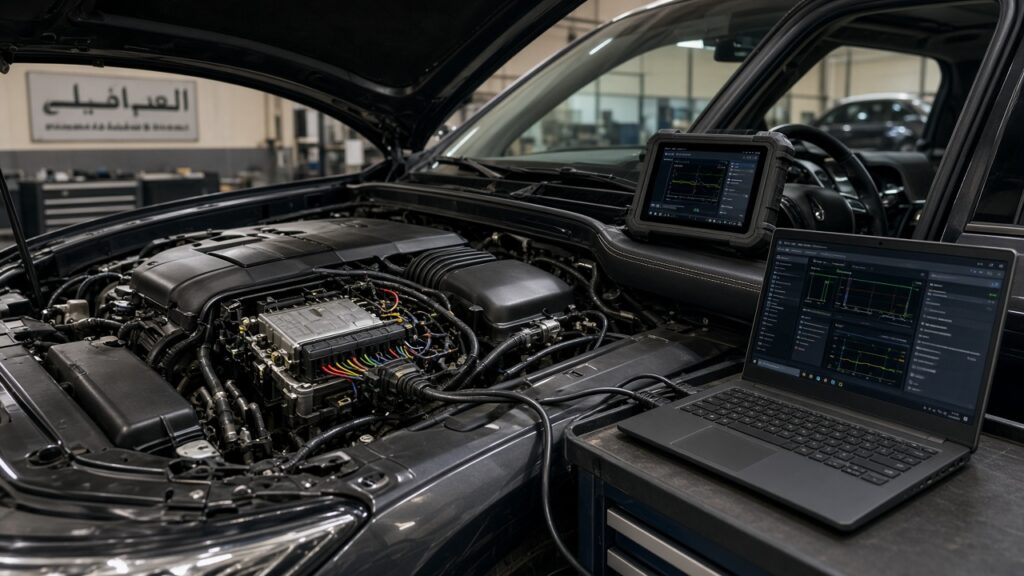
 Digital Twins for Luxury Cars: Predicting Your Next Repair Before It Happens

Digital Twins for Luxury Cars: Predicting Your Next Repair Before It Happens

The automotive industry is no longer just about horsepower and leather interiors; it is about data, connectivity, and foresight. For the luxury car owner, the ultimate convenience isn’t just a smooth ride it’s never having to worry about a breakdown. This is where Digital Twin technology steps in, acting as a virtual guardian for your high-end vehicle. By creating a real-time, digital mirror of your car, manufacturers and service providers can now predict mechanical failures, optimize performance, and ensure that your next repair is scheduled before the physical component even shows signs of wear.

The Evolution of Predictive Maintenance in High-End Vehicles

Luxury vehicles are increasingly becoming “software-defined.” Unlike traditional cars that rely on scheduled service intervals every 10,000 miles or six months luxury brands are moving toward a proactive maintenance model. This shift is powered by Digital Twins: high-fidelity virtual replicas that live in the cloud and receive a constant stream of data from your car’s onboard sensors.

These models don’t just track mileage; they analyze your specific driving habits, the climate you drive in, and the unique stresses placed on your vehicle’s engine and electrical systems. For example, if you frequently drive in high-temperature environments, your digital twin understands that your cooling system and battery are under more strain than a car driven in a temperate climate. It can then forecast a battery replacement sharjah or a coolant flush weeks before a sensor on the dashboard turns red. This data-driven precision reduces unnecessary parts replacements by up to 40% and cuts troubleshooting time by nearly half.

How Digital Twin Technology Works Under the Hood

To understand how a Digital Twin predicts your next repair, we must look at the three-way interaction between the physical car, the virtual model, and the AI-driven analytics.

1. The Physical Asset and Sensor Fusion

Modern luxury cars are equipped with hundreds of sensors. These sensors monitor everything from tire pressure and brake pad thickness to the subtle vibrations in the transmission. This data is transmitted via high-speed telematics to the manufacturer’s servers.

2. The Virtual Replica (The Twin)

The Digital Twin is a sophisticated mathematical model that mirrors the car’s physical state. It incorporates the vehicle’s original engineering specifications, its maintenance history, and the real-time sensor data. This creates a “closed-loop” system where the digital model evolves alongside the physical car.

3. AI and Machine Learning Algorithms

This is where the “prediction” happens. AI algorithms compare the real-time data from your car against millions of data points from other vehicles in the fleet. If the AI detects a pattern—perhaps a specific vibration frequency that historically precedes a turbocharger failure—it flags the issue immediately.

The Benefits: Why Your Luxury Experience Depends on a Twin

The integration of Digital Twins into the luxury car ecosystem offers more than just mechanical reliability; it offers a seamless lifestyle.

Eliminating the “Emergency” from Repairs: By identifying issues in their infancy, you can schedule service at your convenience rather than being stranded on the side of the road.

Optimized Resale Value: A vehicle backed by a Digital Twin has a complete, verifiable digital “health record.” This transparency ensures that future buyers know exactly how well the car was maintained, preserving its market value.

Personalized Performance: Your Digital Twin can suggest software tweaks to your suspension or throttle response based on the roads you frequent, effectively “tuning” your car virtually before applying the settings physically.

Sustainability and Waste Reduction: Predictive maintenance ensures parts are only replaced when they are truly reaching the end of their useful life, reducing the environmental footprint of your vehicle’s maintenance cycle.

The Role of IoT and 5G in Real-Time Monitoring

For a Digital Twin to be effective, the data transfer must be instantaneous. This is where 5G connectivity and the Internet of Things (IoT) become the backbone of the system. In a luxury car, the IoT network connects various components—from the infotainment system to the powertrain—ensuring that every “heartbeat” of the car is recorded.

As 5G networks expand, the latency between a mechanical anomaly occurring and the Digital Twin analyzing it drops to milliseconds. This allows for Remote Diagnostics, where a technician at a service center can “see” into your engine while you are still driving, potentially fixing software glitches over-the-air (OTA) without you ever visiting a garage.

Case Study: Digital Twins in the Modern Workshop

Imagine you are driving through a busy city like Sharjah. Your car’s Digital Twin notices a slight drop in the voltage recovery rate of the battery during a start-stop cycle. It knows that the intense heat of the UAE accelerates battery degradation.

Instead of waiting for the car to fail to start the next morning, the system sends a notification to your smartphone. It recommends a battery replacement sharjah and even offers to book an appointment with a mobile technician who can meet you at your office. This is not science fiction; it is the current trajectory of luxury automotive service, combining high-tech prediction with high-touch convenience.

Future Horizons: From Prediction to Prescription

The next phase of Digital Twin technology is Prescriptive Maintenance. While predictive maintenance tells you when something will fail, prescriptive maintenance tells you how to change your behavior to prevent the failure entirely.If your Digital Twin identifies that your aggressive braking is leading to premature wear on your ceramic rotors, the car’s AI might subtly adjust the regenerative braking settings or provide haptic feedback to help you drive more smoothly. In this future, your car doesn’t just wait to be fixed; it actively works with you to stay in peak condition.

Conclusion: The Peace of Mind You Deserve

For the owner of a luxury vehicle, time is the most valuable commodity. Digital Twins protect that time by removing the uncertainty of vehicle ownership. By bridging the gap between the physical and digital worlds, luxury brands are ensuring that their vehicles remain as reliable as they are refined.

As we move toward a future of autonomous and software-defined vehicles, the Digital Twin will remain the most critical component you never see—a silent, virtual passenger dedicated to ensuring that your next repair happens only when, and where, you want it to.
Leave a Reply

Your email address will not be published. Required fields are marked *

Smart Garage
Service Advisor
Online
Smart Garage
Hello! How can we help you with your car today? 👋
Just now
1