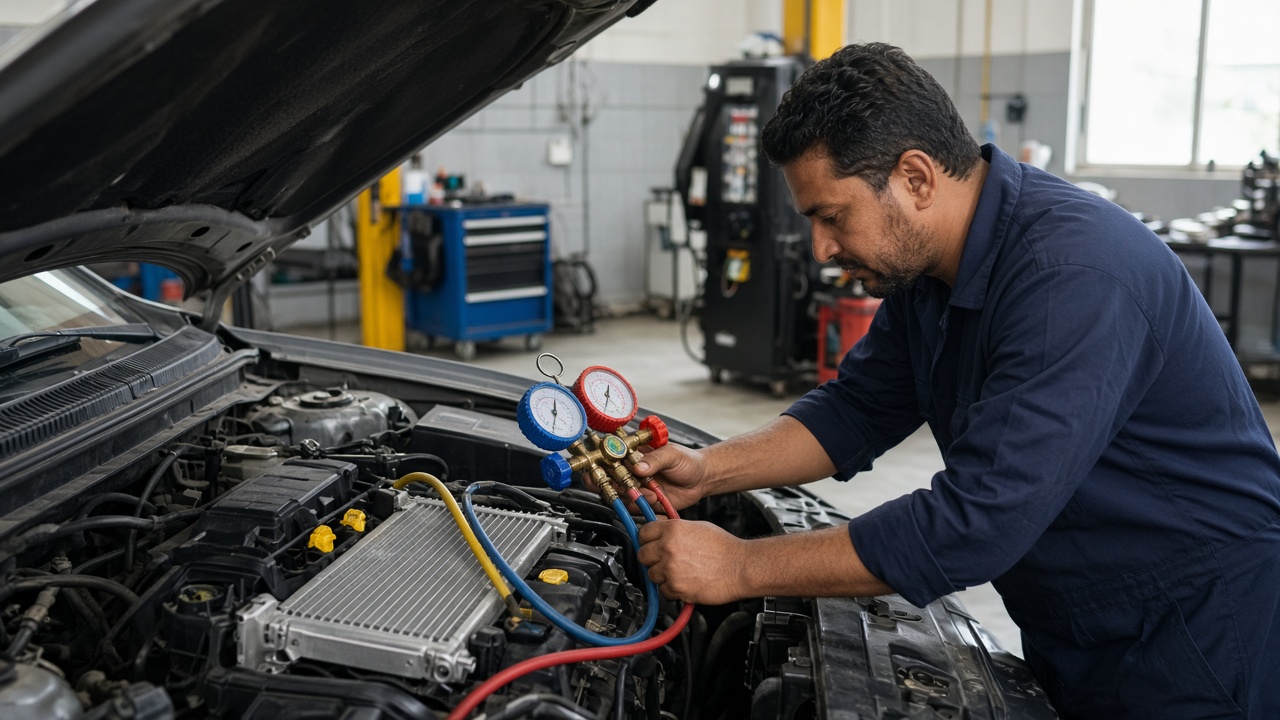
Driving in extreme heat isn’t just uncomfortable it can quietly damage your car in ways many drivers don’t realize. In regions like the UAE, where temperatures soar for most of the year, your vehicle’s engine and air conditioning system are constantly under pressure.
If you’ve ever noticed your car overheating, losing power, or your AC struggling to cool, heat is often the hidden culprit. Understanding how high temperatures impact your car can help you prevent costly repairs and keep your vehicle running smoothly.
Let’s break it down in a practical, easy-to-understand way.
Why Extreme Heat Is Tough on Your Vehicle
Heat affects every part of your car, but the engine and AC system take the biggest hit. When outside temperatures rise, your car has to work harder to maintain normal operating conditions.
Engines naturally generate heat while running. Add scorching weather on top of that, and the cooling system must work overtime. Similarly, your AC system has to fight against hot air constantly entering the cabin.
Over time, this extra strain leads to wear and tear, reduced efficiency, and in some cases, sudden breakdowns.
How Heat Impacts Your Car Engine Performance
Your engine is designed to operate within a specific temperature range. When external heat pushes it beyond that range, problems begin to appear.
Engine Overheating
One of the most common issues is overheating. High temperatures can reduce the efficiency of your radiator and coolant, making it harder to keep the engine cool. When the engine overheats, it can cause serious internal damage, including warped components and blown head gaskets.
Reduced Engine Efficiency
Hot air is less dense than cool air. Since engines rely on air intake for combustion, this means less oxygen is available. The result? Reduced power and lower fuel efficiency.
Oil Breakdown
Engine oil plays a critical role in lubrication and cooling. In extreme heat, oil can thin out and lose its effectiveness. This increases friction between engine parts, leading to faster wear.
The Hidden Impact on Your Cooling System
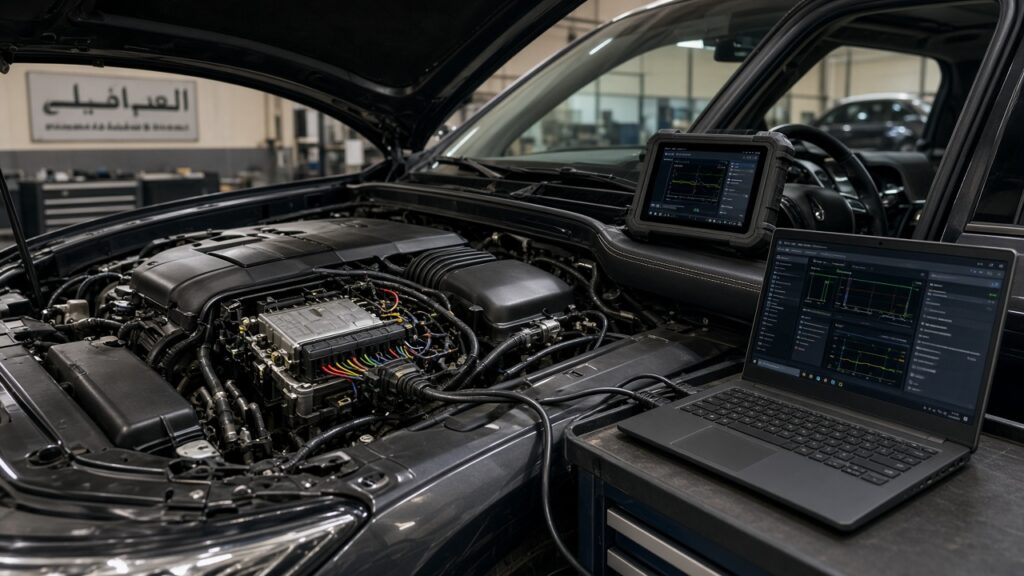
Proper maintenance becomes essential, especially when dealing with extreme weather conditions. Ignoring early warning signs can lead to major repairs. This is where professional support from a car garage sharjah becomes crucial, as experts can detect issues before they escalate.
Your cooling system includes the radiator, coolant, thermostat, and water pump. When temperatures rise:
- Coolant evaporates faster
- Radiators become less efficient
- Hoses and belts may crack or weaken
If any of these components fail, your engine could overheat within minutes.
How Heat Affects Your Car AC System
Your AC system is your main defense against the heat—but it’s also highly sensitive to it.
Increased Load on the Compressor
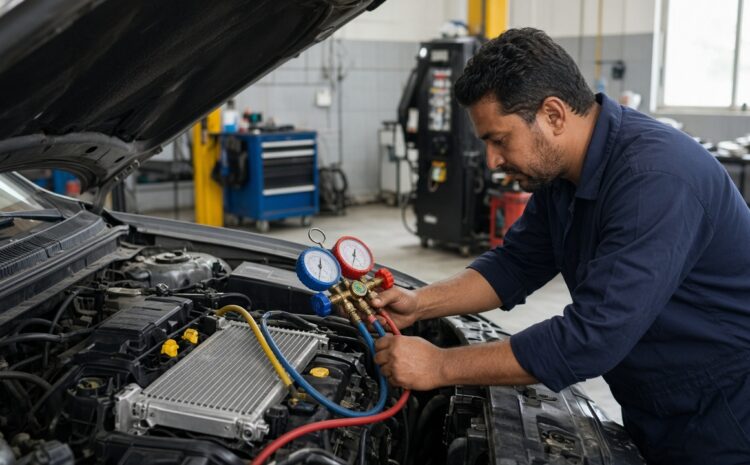
The AC compressor works harder in hot weather to maintain cool air inside the cabin. This constant pressure can lead to compressor failure over time.
Refrigerant Issues
High temperatures can affect refrigerant pressure levels. If the system is already low on refrigerant, it won’t cool effectively, and the compressor may get damaged.
Weak Airflow
Heat can expose underlying issues like clogged filters, blocked vents, or failing fans. This leads to weak airflow and uneven cooling.
Electrical Component Stress
Sensors, wiring, and AC controls can also suffer under extreme temperatures, leading to inconsistent performance.
Warning Signs You Should Never Ignore
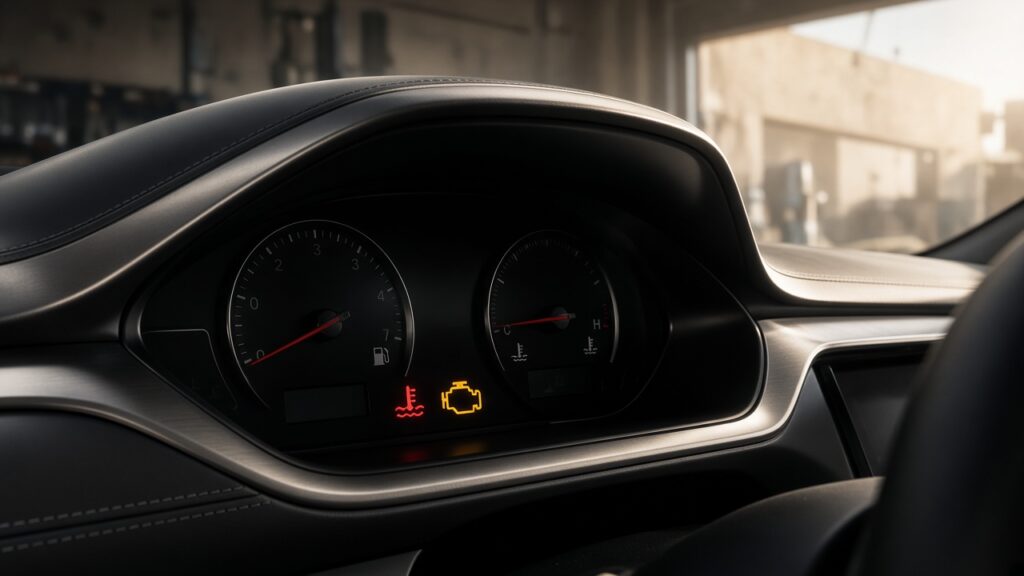
Many drivers overlook small warning signs until they turn into major problems. Here are some clear indicators that heat is affecting your car:
- Temperature gauge rising above normal
- AC blowing warm or weak air
- Strange noises from the engine or AC
- Coolant leaks under the car
- Burning smell while driving
- Engine losing power
Catching these signs early can save you from expensive repairs.
Simple Ways to Protect Your Car in Hot Weather
You don’t need to be a mechanic to keep your car safe from heat damage. A few simple habits can make a big difference.
Regular Coolant Checks
Always ensure your coolant levels are adequate. Low coolant is one of the fastest ways to cause overheating.
Park Smart
Whenever possible, park in shaded areas or use sunshades. This helps reduce cabin temperature and AC load.
Run the AC Wisely
Avoid blasting the AC at maximum immediately. Let hot air escape first by opening windows for a minute.
Check Engine Oil
Make sure your engine oil is fresh and suitable for high temperatures. Old oil loses its effectiveness quickly in heat.
Inspect Belts and Hoses
Rubber components can crack under extreme heat. Regular inspection helps prevent sudden failures.
Why Professional Maintenance Matters
While basic care helps, professional inspections are essential—especially in hot climates. Trained technicians can spot issues that are not visible to the average driver.
Routine servicing ensures:
- Cooling system efficiency
- Proper AC performance
- Early detection of engine problems
- Improved fuel efficiency
- Longer vehicle lifespan
Ignoring maintenance might save money in the short term, but it often leads to costly repairs later.
The Long-Term Effects of Heat on Your Vehicle
Heat damage isn’t always immediate. Sometimes, it builds up slowly and shows up later as major issues.
Engine Wear and Tear
Continuous exposure to high temperatures accelerates wear on engine components.
AC System Failure
Neglected AC systems eventually stop working altogether, requiring expensive replacements.
Battery Problems
Heat can evaporate battery fluids, reducing battery life significantly.
Tire Pressure Issues
Hot roads increase tire pressure, which can lead to blowouts if not monitored.
When to Visit a Garage
You don’t have to wait for a breakdown to seek help. It’s better to visit a professional if:
- Your car struggles to stay cool
- AC performance drops
- You notice unusual sounds or smells
- It’s been a while since your last service
Preventive maintenance is always cheaper and safer than emergency repairs.
Final Thoughts
Heat is one of the biggest enemies of your car, especially in regions with extreme climates. It affects both your engine and AC system in ways that can quickly turn into serious problems if ignored.
The good news is that most of these issues are preventable. With regular checks, smart driving habits, and timely professional maintenance, you can keep your car running smoothly no matter how high the temperature rises.