Introduction: The Invisible Oven
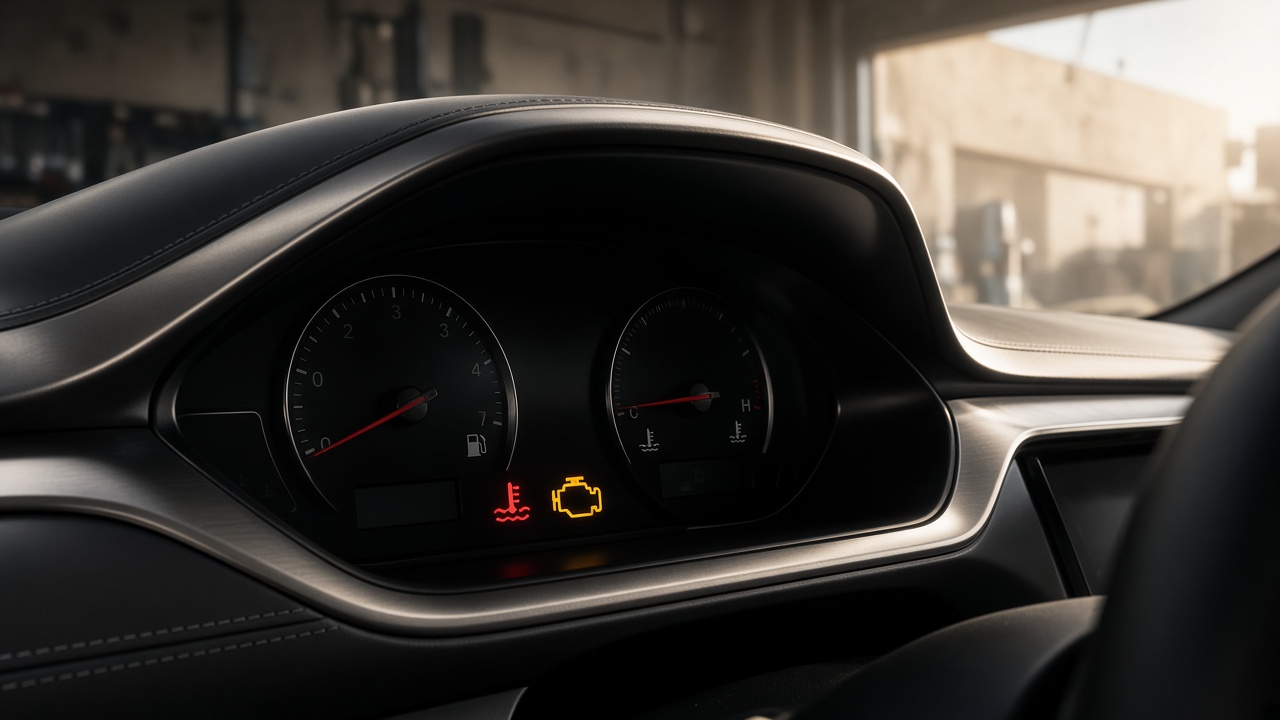
You step into your car after it has been parked under the scorching UAE sun for just a few hours. The air inside hits you like a blast furnace, instantly wilting your shirt and leaving a film of sweat on your skin. This is the familiar, brutal reality of summer in Dubai, Abu Dhabi, or Sharjah. While most drivers focus on the engine and AC battling the external heat, there is a silent, insidious battle happening inside your vehicle – a slow, relentless process of degradation that is literally melting your car’s interior. The most prominent victim of this invisible oven is often the dashboard, which transforms from a smooth, matte surface into a tacky, sticky mess, sometimes even bubbling and cracking.
This phenomenon is not just an aesthetic annoyance; it’s a tangible sign of severe chemical breakdown that compromises not only the look and feel of your car but also its potential resale value and, in some cases, even your health. That sticky residue on your dashboard is the result of plasticizers migrating out of the synthetic materials, a direct consequence of prolonged, intense heat and relentless UV radiation. Understanding why this happens, and how to proactively protect your interior, is crucial for any car owner in this region. This goes beyond a simple wipe-down; it requires a scientific approach to Car Detailing & Paint Protection that extends beyond the exterior, addressing the unique challenges of the UAE environment.
The Science of Deterioration: Why Plastics “Melt”
Modern car interiors are a marvel of material science, designed to be durable, aesthetically pleasing, and safe. Dashboards are typically made from various plastics, vinyls, and sometimes synthetic leather, all engineered to resist fading and cracking under normal conditions. However, the conditions in the UAE are anything but normal. The interior temperature of a car parked in direct sunlight can easily exceed 80 degrees Celsius, often reaching 100 degrees Celsius or more – far hotter than boiling water. Add to this the intense ultraviolet (UV) radiation, which acts like a chemical scalpel, breaking down molecular bonds.
The sticky residue you feel is often the result of “plasticizer migration.” Plasticizers are special chemicals added to plastics and vinyls to make them soft, flexible, and pliable. Without them, the plastic would be brittle and crack easily. Under extreme heat, these plasticizers essentially “sweat out” of the material. They migrate to the surface, creating that greasy, sticky film. Simultaneously, the UV rays attack the remaining plastic, breaking down its polymer chains. This causes the material to harden, become brittle, and eventually crack, bubble, or peel away from its backing. This process doesn’t just make the dashboard sticky; it releases volatile organic compounds (VOCs) into the cabin, contributing to that “new car smell” that, in excess, can be detrimental to air quality.
Beyond Aesthetics: The Hidden Dangers
While a sticky, cracked dashboard is visually unappealing, the problem extends beyond mere aesthetics:
-
Resale Value Killer: When a potential buyer opens your car door and sees a compromised dashboard, it immediately screams “neglected.” This single visual cue can drastically reduce the perceived value of your vehicle, making it harder to sell and significantly lowering the price you can command. It suggests that if such a visible part was ignored, what other, more critical maintenance might have been skipped?
-
Health Concerns: The off-gassing of plasticizers and other VOCs from degrading interior materials can contribute to indoor air pollution within the cabin. While the direct health impacts from typical car interiors are debated, prolonged exposure, especially in a confined, super-heated space, can potentially lead to respiratory irritation or headaches for sensitive individuals.
-
Safety Hazard: In extreme cases, a bubbling or peeling dashboard can impede visibility, especially if the material lifts around the instrument cluster or obstructs the passenger airbag deployment zone. The reflections off a shiny, degraded surface can also create glare that distracts the driver.
-
Integrated Systems Damage: Modern dashboards are complex, housing airbags, navigation screens, climate control vents, and numerous sensors. Degradation of the surrounding plastic can impact the functionality or structural integrity of these integrated systems, leading to more expensive repairs down the line.
Proactive Protection: The Only Defense Against the Sun
Ignoring the problem is not an option in the UAE. The good news is that with a proactive strategy, you can significantly extend the life of your car’s interior and prevent the sticky dashboard crisis. This involves a multi-faceted approach, combining smart habits with professional-grade protective treatments.
1. The Power of Shade: Your First Line of Defense
This is the simplest, yet most effective, initial step. Wherever possible, park your car in the shade. If shaded parking isn’t available, investing in a high-quality, reflective windshield sunshade is non-negotiable. These shades block direct sunlight from hitting the dashboard, significantly reducing both the internal temperature and the direct UV assault. Look for shades that fit your windshield perfectly, leaving no gaps, and ensure they are made from a material that effectively reflects sunlight. While seemingly basic, this small habit dramatically reduces the stress on all your interior components.
2. The Interior Cleanse: Beyond a Simple Wipe-Down
Regular cleaning is crucial, but it must be done with the right products. Avoid harsh, alcohol-based cleaners or household chemicals, as these can actually strip away protective layers and accelerate plasticizer migration. Instead, use dedicated automotive interior cleaners that are pH-neutral and designed for plastics, vinyls, and leather.
-
Gentle Cleaning: For a sticky dashboard, start with a gentle interior cleaner and a microfiber towel. Work in small sections, wiping gently to remove the sticky film. You might need several passes.
-
Avoid Shine Products: Resist the urge to use products that promise a “wet look” or high shine. Many of these contain silicone, which can attract dust, exacerbate stickiness over time, and even contribute to plasticizer migration by creating an artificial barrier that traps heat. A matte or satin finish is ideal and usually indicates a healthier, cleaner surface.
3. Professional-Grade Protection: The Shield Your Interior Needs
Once your interior is thoroughly cleaned, the next step is to apply a robust protective layer. This is where professional Car Detailing & Paint Protection services truly shine, offering solutions that go far beyond what off-the-shelf products can provide.
-
UV Blocking Dressings: High-quality interior dressings and protectants contain powerful UV blockers. Think of these as sunscreen for your dashboard. They create a sacrificial layer that absorbs or reflects UV radiation, preventing it from reaching and degrading the underlying plastic. These should be applied regularly, especially after cleaning, to maintain their efficacy.
-
Interior Ceramic Coatings: For the ultimate protection, advanced Interior Detailing & Restoration services now offer specialized ceramic coatings for interior surfaces. Just like exterior ceramic coatings, these form a durable, invisible, and semi-permanent barrier.
-
UV Resistance: Interior ceramic coatings offer superior UV protection, significantly slowing down the degradation of plastics and vinyls.
-
Anti-Static Properties: They reduce static electricity, which helps repel dust, keeping your interior cleaner for longer.
-
Hydrophobic Effect: While not as critical as on the exterior, a hydrophobic surface makes spills easier to clean and prevents them from soaking into fabrics or leather.
-
Preserved Finish: Critically, these coatings maintain the original matte or satin finish of your dashboard, preventing the artificial shine that can attract dust and exacerbate stickiness. They essentially seal the plasticizers within the material, preventing their migration.
-
4. Window Tinting: A Dual-Purpose Solution
While primarily thought of for cooling and privacy, high-quality window tinting plays a vital role in protecting your interior. Modern ceramic and nano-carbon window films do more than just darken your windows; they are engineered to reject significant amounts of both heat and harmful UV rays.
-
Heat Rejection: By blocking up to 90% of infrared (IR) heat, tinting keeps your car’s interior much cooler, directly reducing the temperature stress on your dashboard.
-
UV Blockage: More importantly, premium tints block up to 99% of UVA and UVB rays, directly stopping the chemical breakdown that leads to plasticizer migration and cracking. This is crucial for all glass surfaces, including the windshield, which can be protected with specialized clear films. This is a highly effective, long-term solution for interior preservation.
5. Proper Air Circulation: A Simple Habit
Even with the car parked, creating a small amount of airflow can help. Leaving your windows cracked open slightly (just a few millimeters, enough to prevent rain from entering but allow some air exchange) can help reduce the internal temperature buildup, though this might not always be practical or safe in public parking areas. However, utilizing your car’s ventilation system effectively during and immediately after parking can also assist.
Conclusion: Your Interior Deserves More Than an Afterthought
Your car’s interior is where you spend most of your time interacting with the vehicle. It’s the space that provides comfort, functionality, and a sense of pride. Allowing the relentless UAE sun to slowly destroy your dashboard and other interior components is a costly oversight that degrades your driving experience, compromises your vehicle’s value, and can even pose subtle health and safety risks.
The sticky dashboard crisis is not an unavoidable consequence of living in a hot climate; it is a preventable failure. By adopting smart parking habits, using appropriate cleaning products, investing in professional-grade UV protection like interior ceramic coatings, and utilizing high-quality window tinting, you can provide your car’s cabin with the defense it truly needs. Don’t let your car’s interior melt away; choose to protect your investment and maintain the pristine condition of your vehicle from the inside out. Your car, and your wallet, will thank you for it.