Home About Services Brands Blog Contact
March 04, 2026 • Smart Garage Sharjah

Top Causes of Gearbox Failures in Luxury Cars

Luxury automobiles represent the pinnacle of automotive engineering, offering a seamless blend of breathtaking performance and opulent comfort. At the heart of this experience lies the transmission a complex masterpiece of mechanical and electronic engineering tasked with delivering silky-smooth gear changes or lightning-fast shifts on demand. However, when this critical component begins to fail, the results are not only jarring to the luxury experience but can also be financially catastrophic to repair.

While modern luxury vehicles are more reliable than ever, the sheer complexity of their high-performance gearboxes makes them susceptible to a unique set of failure modes. Understanding these vulnerabilities is the first step in preserving the longevity of your vehicle. Below, we dissect the primary culprits behind transmission failure in high-end automobiles.

1. The Peril of Neglected Maintenance and Fluid Degradation

Despite the advanced engineering of luxury brands, one timeless rule remains unchanged: a transmission is only as healthy as its fluid. In many high-performance luxury vehicles, the transmission fluid serves multiple critical functions—lubricating moving parts, cooling the system, and providing the hydraulic pressure necessary for gear engagement.

Many luxury automakers market their transmissions as “sealed for life” or “filled for life,” which can mislead owners into believing that the fluid never needs attention . However, in the real world of stop-and-go traffic, high-performance driving, and extreme temperatures, this “life” fluid still degrades over time. As the fluid breaks down, it loses its viscosity and protective properties.

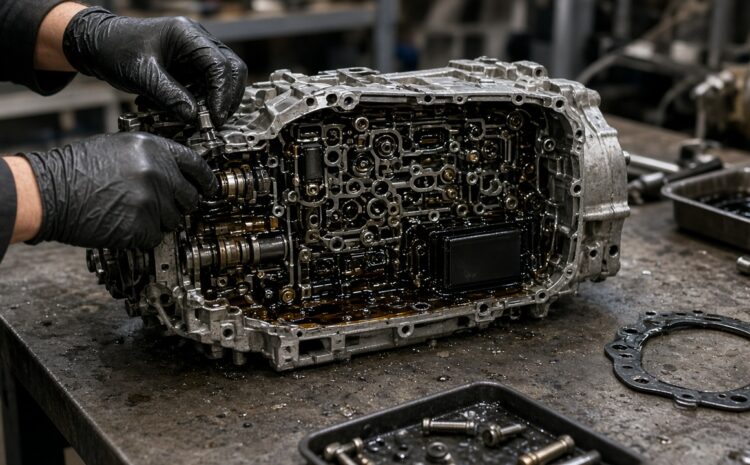
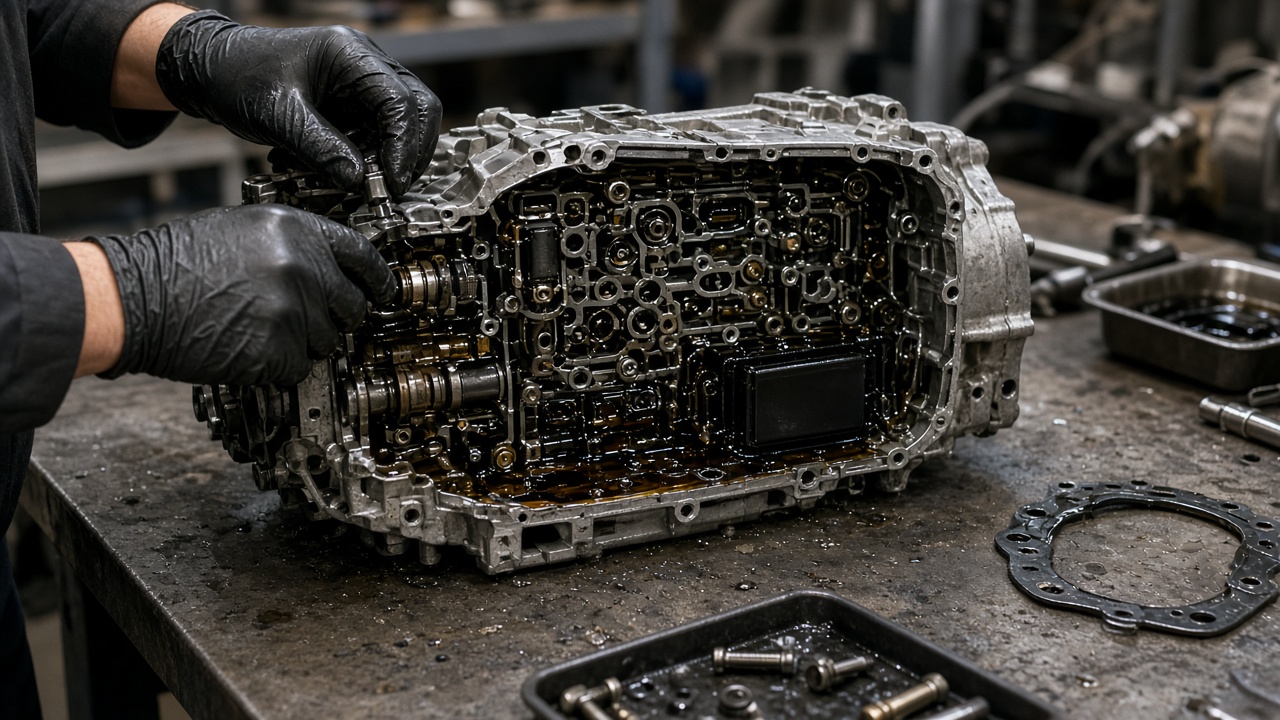
This degradation is particularly dangerous in complex transmissions like Porsche’s PDK (Porsche Doppelkupplung) or ZF 8-speed automatics used by BMW, Audi, and Jaguar. As the oil ages and thins, it becomes less effective at maintaining pressure in the hydraulic circuits. This can lead to increased wear on clutch packs and valve bodies. In dual-clutch systems, for instance, thinning oil can cause solenoid valves to leak, leading to erratic clutch engagement and harsh shifting . Without fresh fluid to dissipate the immense heat generated by a powerful engine, the transmission begins to cook itself from the inside out.

2. Electronic Integration and Software Glitches

The modern luxury car transmission is no longer a purely hydraulic device; it is a node on a high-speed data network. It relies on a complex array of sensors, solenoids, and control units to function. This digital dependency introduces a unique point of failure absent in classic cars: software.

A prime example of this high-tech vulnerability was recently highlighted when Toyota recalled the flagship Lexus LX and Land Cruiser 300—vehicles priced well over $100,000—due to a critical transmission software glitch . The issue stemmed from a communication failure between the transmission control unit and the engine control unit. In the event of a mechanical solenoid failure, the software failed to trigger a “limp home” mode. Instead, the lack of communication could cause the transmission to over-rev under load, potentially cracking the transmission housing and causing a sudden loss of drive .

This illustrates that even the most robust mechanical hardware can be rendered unreliable by a single line of faulty code. As luxury vehicles become increasingly reliant on over-the-air updates and complex algorithms, the distinction between a mechanical failure and a digital malfunction becomes increasingly blurred. Issues like delayed engagement, jerking, or getting stuck in gear are often traced back to sensor failures or electronic control faults rather than stripped gears .

3. Recognizing the Signs and Seeking Professional Transmission & Gearbox Repair

Given the intricate nature of these systems, ignoring the early warning signs of failure is a gamble with high stakes. For the discerning luxury car owner, recognizing these symptoms early can mean the difference between a minor fix and a bill that runs into the tens of thousands.

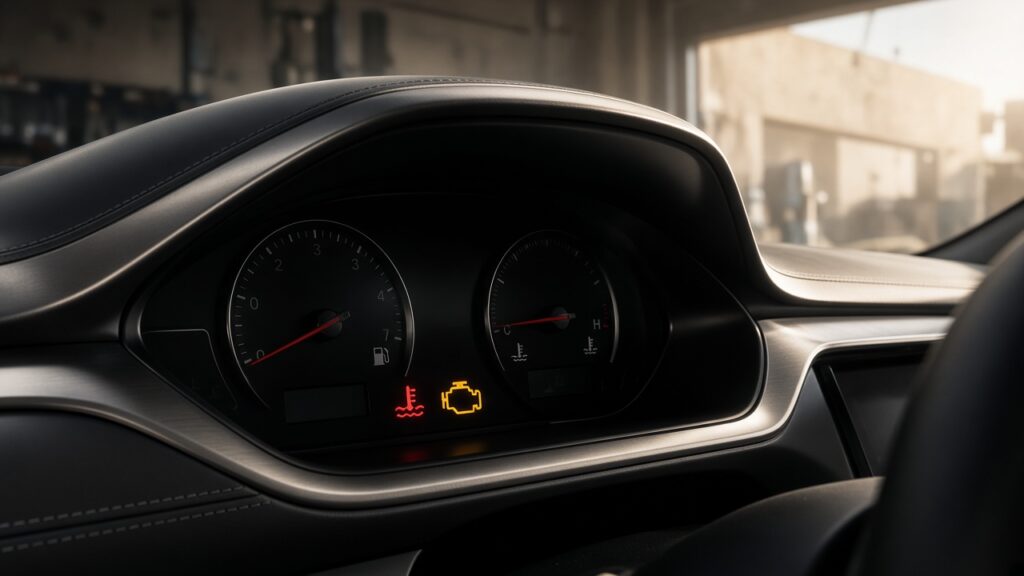
Luxury car gearboxes often provide subtle hints of distress long before a catastrophic failure occurs. These symptoms should never be ignored:

  • Delayed Engagement: A noticeable pause when shifting from Park into Drive or Reverse .

  • Harsh or Jerky Shifting: The transmission slams into gear rather than executing a smooth transition.

  • Transmission Slipping: The engine revs increase without a corresponding surge in speed, often described as a loss of power transmission .

  • Unusual Noises: Whining, humming, or clunking sounds emanating from the transmission bay .

  • Fluid Leaks: Reddish fluid under the car is an immediate red flag.

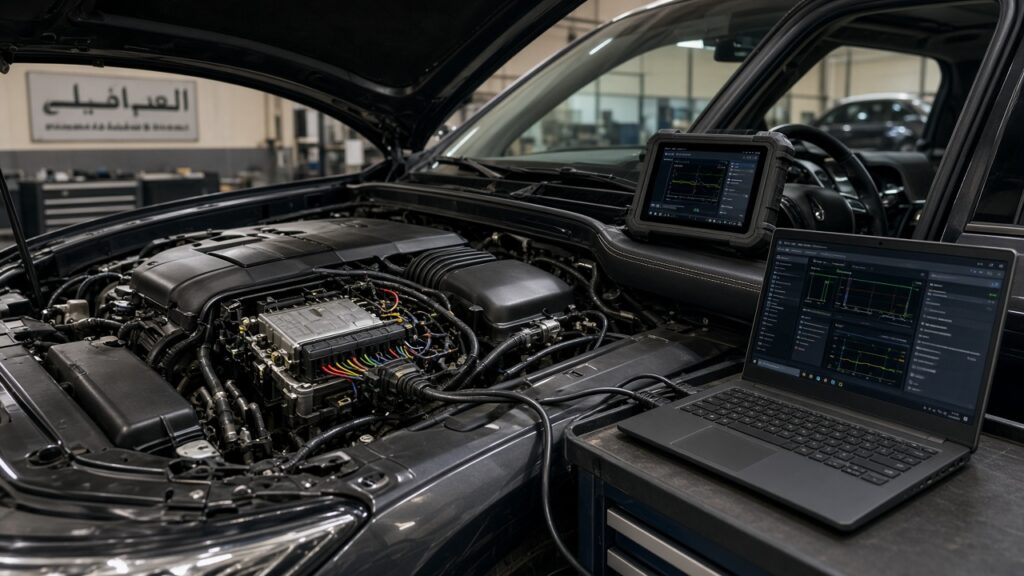
When these signs appear, the solution is not a trip to a general mechanic, but a specialized Transmission & Gearbox Repair facility equipped to handle high-end machinery . Due to the complexity of units like the ZF 8-speed or Porsche PDK, repair requires specialized diagnostic equipment and technicians who understand the nuances of electro-hydraulic systems. In many cases, targeted Transmission & Gearbox Repair can resolve issues without a full replacement—addressing faulty solenoids, worn seals, or valve body issues . However, this requires a specialist who can perform a full computer diagnosis to pinpoint whether the issue is electronic, hydraulic, or mechanical. Opting for a professional overhaul or reconditioning service can restore the transmission to like-new condition, preserving the vehicle’s performance and value .

4. Catastrophic Mechanical Design Flaws and Material Defects

Even the most prestigious German and British engineering firms are not immune to manufacturing oversights. Unlike wear-and-tear failures, these are often design or material defects that affect a specific batch of vehicles, sometimes leading to sudden and dangerous failures.

A particularly frightening case involved the Mercedes-Benz AMG GT, a high-performance sports car. A recall was issued because the adhesive bond between the carbon fiber driveshaft and the flange could fail due to manufacturing residue on the bonding surfaces . If this connection separated while driving, it could damage the transmission and cause a sudden loss of traction, posing a severe safety risk .

Similarly, a high-profile case involving the BMW 5 Series highlighted issues with driveshafts. Owners reported loud, sharp metallic noises when shifting between drive and reverse. Investigations suggested that while installation errors or bearing wear could be culprits, the persistent nature of the issue despite part replacement hinted at a deeper design flaw . Even more alarming was a case involving the Mercedes-Benz GLK, where the positioning of the transmission components led to a fire hazard of sorts. The close proximity of the front driveshaft’s universal joint to the red-hot catalytic converter caused the grease inside the joint to melt and dry out, leading to catastrophic failure and the driveshaft detaching at highway speeds . These instances prove that in the luxury segment, “newness” does not guarantee immunity from fundamental engineering errors.

5. The Impact of Driving Style and Power Handling

Luxury cars are designed to handle immense power, but they are not invincible. Transmissions in high-end vehicles are often tuned for specific performance parameters. When drivers exceed these parameters—either through consistent aggressive driving, tracking the car, or tuning the engine for more power without upgrading the gearbox—failures become imminent.

High-performance transmissions, particularly the dual-clutch variants found in Porsche, Audi RS, and BMW M cars, rely on precise hydraulic pressure to engage clutches . Under hard driving, the transmission fluid temperatures spike. If the vehicle is subjected to repeated launch control starts or track days without adequate cooling, the fluid can overheat and lose its ability to protect the internal components. This can lead to “clutch pressure” errors, where the transmission can no longer physically clamp the clutch packs hard enough to hold the engine’s torque . This results in slip, which generates even more heat, creating a vicious cycle that ends in complete mechanical failure. Even in standard driving, habits like shifting from Drive to Reverse before the car has come to a complete stop place unnecessary strain on the bands and clutches, accelerating wear .

Final Verdict

The gearbox in a luxury car is a marvel of modern engineering, but it operates under extreme stress. From the software that governs its shifts to the physical fluid that cools its internals, every element must function in perfect harmony. Whether it is a Transmission & Gearbox Repair triggered by a software glitch in a Lexus or a mechanical failure due to a design flaw in a Mercedes-Benz, the key takeaway for owners is vigilance . Adhering to strict maintenance schedules, heeding early warning signs, and seeking out specialists with the expertise to handle complex electro-hydraulic systems are the best ways to ensure that the heart of your luxury driving experience continues to beat smoothly for years to come.
 Top Causes of Gearbox Failures in Luxury Cars

Top Causes of Gearbox Failures in Luxury Cars

Luxury automobiles represent the pinnacle of automotive engineering, offering a seamless blend of breathtaking performance and opulent comfort. At the heart of this experience lies the transmission a complex masterpiece of mechanical and electronic engineering tasked with delivering silky-smooth gear changes or lightning-fast shifts on demand. However, when this critical component begins to fail, the results are not only jarring to the luxury experience but can also be financially catastrophic to repair.

While modern luxury vehicles are more reliable than ever, the sheer complexity of their high-performance gearboxes makes them susceptible to a unique set of failure modes. Understanding these vulnerabilities is the first step in preserving the longevity of your vehicle. Below, we dissect the primary culprits behind transmission failure in high-end automobiles.

1. The Peril of Neglected Maintenance and Fluid Degradation

Despite the advanced engineering of luxury brands, one timeless rule remains unchanged: a transmission is only as healthy as its fluid. In many high-performance luxury vehicles, the transmission fluid serves multiple critical functions—lubricating moving parts, cooling the system, and providing the hydraulic pressure necessary for gear engagement.

Many luxury automakers market their transmissions as “sealed for life” or “filled for life,” which can mislead owners into believing that the fluid never needs attention . However, in the real world of stop-and-go traffic, high-performance driving, and extreme temperatures, this “life” fluid still degrades over time. As the fluid breaks down, it loses its viscosity and protective properties.

This degradation is particularly dangerous in complex transmissions like Porsche’s PDK (Porsche Doppelkupplung) or ZF 8-speed automatics used by BMW, Audi, and Jaguar. As the oil ages and thins, it becomes less effective at maintaining pressure in the hydraulic circuits. This can lead to increased wear on clutch packs and valve bodies. In dual-clutch systems, for instance, thinning oil can cause solenoid valves to leak, leading to erratic clutch engagement and harsh shifting . Without fresh fluid to dissipate the immense heat generated by a powerful engine, the transmission begins to cook itself from the inside out.

2. Electronic Integration and Software Glitches

The modern luxury car transmission is no longer a purely hydraulic device; it is a node on a high-speed data network. It relies on a complex array of sensors, solenoids, and control units to function. This digital dependency introduces a unique point of failure absent in classic cars: software.

A prime example of this high-tech vulnerability was recently highlighted when Toyota recalled the flagship Lexus LX and Land Cruiser 300—vehicles priced well over $100,000—due to a critical transmission software glitch . The issue stemmed from a communication failure between the transmission control unit and the engine control unit. In the event of a mechanical solenoid failure, the software failed to trigger a “limp home” mode. Instead, the lack of communication could cause the transmission to over-rev under load, potentially cracking the transmission housing and causing a sudden loss of drive .

This illustrates that even the most robust mechanical hardware can be rendered unreliable by a single line of faulty code. As luxury vehicles become increasingly reliant on over-the-air updates and complex algorithms, the distinction between a mechanical failure and a digital malfunction becomes increasingly blurred. Issues like delayed engagement, jerking, or getting stuck in gear are often traced back to sensor failures or electronic control faults rather than stripped gears .

3. Recognizing the Signs and Seeking Professional Transmission & Gearbox Repair

Given the intricate nature of these systems, ignoring the early warning signs of failure is a gamble with high stakes. For the discerning luxury car owner, recognizing these symptoms early can mean the difference between a minor fix and a bill that runs into the tens of thousands.

Luxury car gearboxes often provide subtle hints of distress long before a catastrophic failure occurs. These symptoms should never be ignored:

  • Delayed Engagement: A noticeable pause when shifting from Park into Drive or Reverse .

  • Harsh or Jerky Shifting: The transmission slams into gear rather than executing a smooth transition.

  • Transmission Slipping: The engine revs increase without a corresponding surge in speed, often described as a loss of power transmission .

  • Unusual Noises: Whining, humming, or clunking sounds emanating from the transmission bay .

  • Fluid Leaks: Reddish fluid under the car is an immediate red flag.

When these signs appear, the solution is not a trip to a general mechanic, but a specialized Transmission & Gearbox Repair facility equipped to handle high-end machinery . Due to the complexity of units like the ZF 8-speed or Porsche PDK, repair requires specialized diagnostic equipment and technicians who understand the nuances of electro-hydraulic systems. In many cases, targeted Transmission & Gearbox Repair can resolve issues without a full replacement—addressing faulty solenoids, worn seals, or valve body issues . However, this requires a specialist who can perform a full computer diagnosis to pinpoint whether the issue is electronic, hydraulic, or mechanical. Opting for a professional overhaul or reconditioning service can restore the transmission to like-new condition, preserving the vehicle’s performance and value .

4. Catastrophic Mechanical Design Flaws and Material Defects

Even the most prestigious German and British engineering firms are not immune to manufacturing oversights. Unlike wear-and-tear failures, these are often design or material defects that affect a specific batch of vehicles, sometimes leading to sudden and dangerous failures.

A particularly frightening case involved the Mercedes-Benz AMG GT, a high-performance sports car. A recall was issued because the adhesive bond between the carbon fiber driveshaft and the flange could fail due to manufacturing residue on the bonding surfaces . If this connection separated while driving, it could damage the transmission and cause a sudden loss of traction, posing a severe safety risk .

Similarly, a high-profile case involving the BMW 5 Series highlighted issues with driveshafts. Owners reported loud, sharp metallic noises when shifting between drive and reverse. Investigations suggested that while installation errors or bearing wear could be culprits, the persistent nature of the issue despite part replacement hinted at a deeper design flaw . Even more alarming was a case involving the Mercedes-Benz GLK, where the positioning of the transmission components led to a fire hazard of sorts. The close proximity of the front driveshaft’s universal joint to the red-hot catalytic converter caused the grease inside the joint to melt and dry out, leading to catastrophic failure and the driveshaft detaching at highway speeds . These instances prove that in the luxury segment, “newness” does not guarantee immunity from fundamental engineering errors.

5. The Impact of Driving Style and Power Handling

Luxury cars are designed to handle immense power, but they are not invincible. Transmissions in high-end vehicles are often tuned for specific performance parameters. When drivers exceed these parameters—either through consistent aggressive driving, tracking the car, or tuning the engine for more power without upgrading the gearbox—failures become imminent.

High-performance transmissions, particularly the dual-clutch variants found in Porsche, Audi RS, and BMW M cars, rely on precise hydraulic pressure to engage clutches . Under hard driving, the transmission fluid temperatures spike. If the vehicle is subjected to repeated launch control starts or track days without adequate cooling, the fluid can overheat and lose its ability to protect the internal components. This can lead to “clutch pressure” errors, where the transmission can no longer physically clamp the clutch packs hard enough to hold the engine’s torque . This results in slip, which generates even more heat, creating a vicious cycle that ends in complete mechanical failure. Even in standard driving, habits like shifting from Drive to Reverse before the car has come to a complete stop place unnecessary strain on the bands and clutches, accelerating wear .

Final Verdict

The gearbox in a luxury car is a marvel of modern engineering, but it operates under extreme stress. From the software that governs its shifts to the physical fluid that cools its internals, every element must function in perfect harmony. Whether it is a Transmission & Gearbox Repair triggered by a software glitch in a Lexus or a mechanical failure due to a design flaw in a Mercedes-Benz, the key takeaway for owners is vigilance . Adhering to strict maintenance schedules, heeding early warning signs, and seeking out specialists with the expertise to handle complex electro-hydraulic systems are the best ways to ensure that the heart of your luxury driving experience continues to beat smoothly for years to come.
Leave a Reply

Your email address will not be published. Required fields are marked *

Smart Garage
Service Advisor
Online
Smart Garage
Hello! How can we help you with your car today? 👋
Just now
1