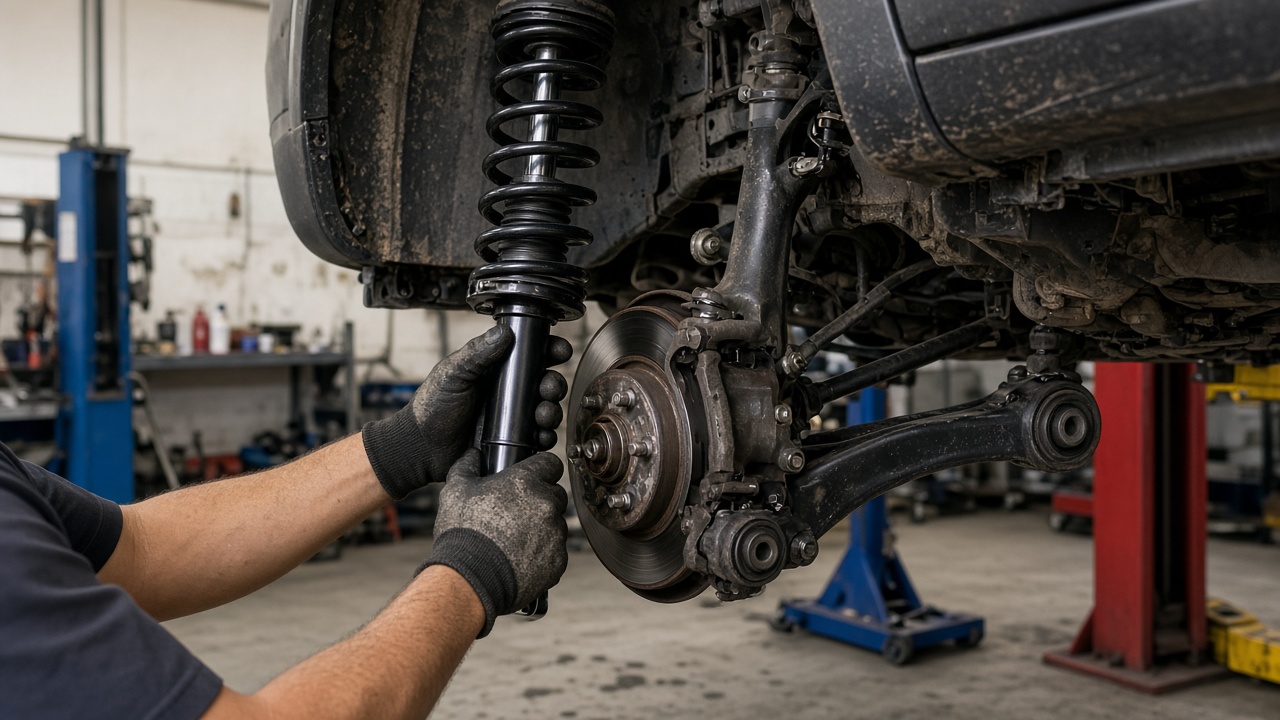
That mysterious clunk from underneath your car when you go over a bump is more than just an annoyance it’s a cry for help. Your vehicle’s front suspension is a complex network of components working together to keep your tires firmly planted on the road and your steering precise. Among the most critical, and often most overlooked, parts in this system are the ball joints and tie rod ends. When they wear out, they don’t just create noise; they create a serious safety hazard. This guide will help you understand the symptoms of failure, why addressing them promptly is non-negotiable, and what the repair process entails.
The Unsung Heroes of Your Steering and Suspension
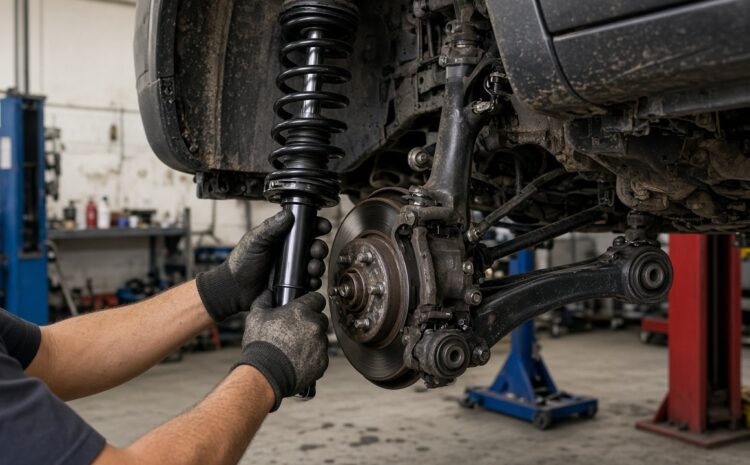
Before we dive into the warning signs, let’s quickly understand what these components do. Ball joints are the pivot points between your steering knuckles and control arms. They act like the ball-and-socket joint in your hip, allowing for smooth up-and-down movement of the suspension while the steering system turns the wheels left and right. Tie rod ends, on the other hand, are the final link in your steering system. They connect the steering rack or gearbox to the steering knuckles, translating the turning motion of your steering wheel into the actual turning of your wheels. Essentially, ball joints and tie rod ends are what give you control over your vehicle’s direction and stability.
Top 5 Signs Your Ball Joints or Tie Rod Ends Are Worn Out
Ignoring these symptoms is a gamble with your safety. If you notice any of the following, it’s time to have your vehicle inspected by a professional mechanic immediately.
1. A Loud, Clunking Noise from the Front End
This is the most common symptom. You’ll typically hear a distinct metallic clunk or bang when driving over uneven surfaces like bumps, potholes, or even driveway aprons. The noise is caused by excessive play in the worn component as it “knocks” against its housing.
2. Wandering Steering or a Loose Feeling Wheel
Does your car feel like it’s drifting or wandering across the lane, requiring constant small steering corrections? Worn tie rod ends and ball joints introduce slack into the steering system, making it feel imprecise and loose. This “play” in the steering wheel is especially noticeable at highway speeds.
3. Uneven Tire Wear
If your ball joints or tie rod ends are failing, they can’t hold the wheels in proper alignment. This leads to irregular and often severe tire wear. You might see the inner or outer edges of your front tires wearing down much faster than the rest of the tread. This not only costs you money in premature tire replacement but is also a clear indicator of an underlying problem.
4. Steering Wheel Vibration
As these components wear, they can cause vibrations that you feel through the steering wheel, particularly during acceleration or when turning. This shimmying is a direct result of the instability in the front end.
5. The Vehicle Pulls to One Side
While pulling can be caused by incorrect tire pressure or alignment issues, a severely worn ball joint or tie rod can also cause your car to pull consistently to one side, even when you’re trying to drive straight.
Why You Should Never Delay This Repair
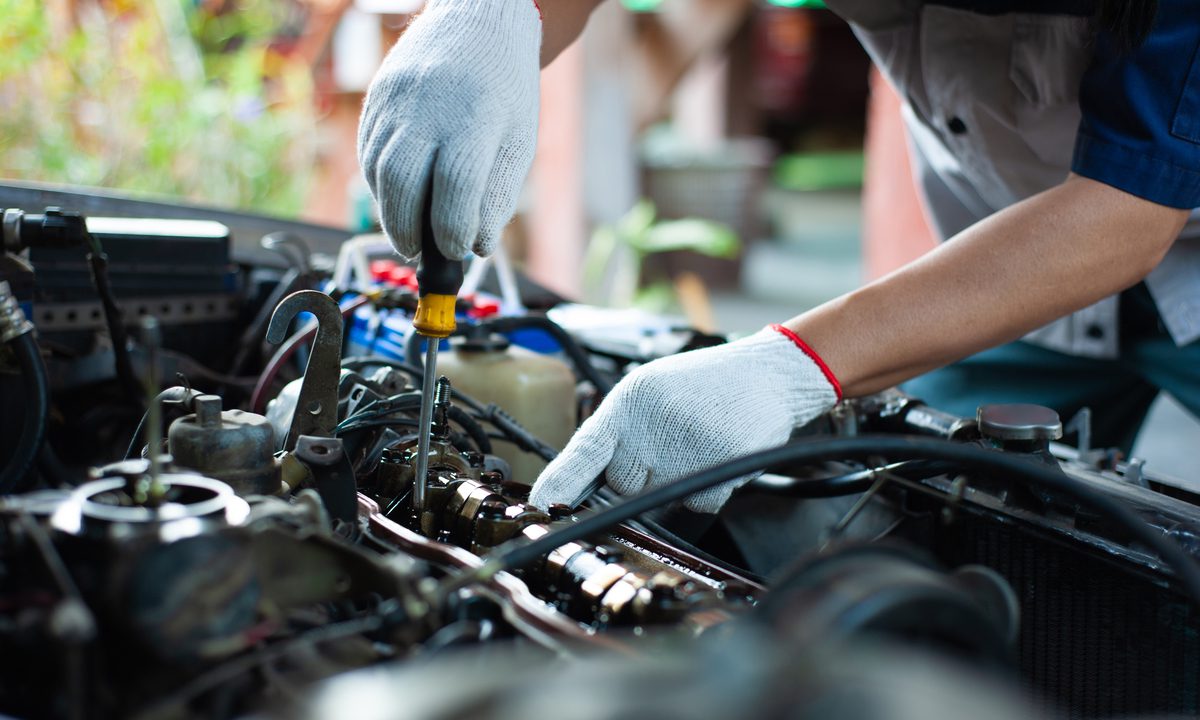
Putting off the replacement of worn ball joints and tie rod ends is one of the most dangerous things you can do as a car owner. These components are fundamental to your control over the vehicle. A complete failure of a ball joint can cause the front suspension to collapse, leading to a loss of control as the wheel folds underneath the car. A broken tie rod end will result in a complete loss of steering control for that wheel. The potential for a serious accident, especially at high speeds, is immense. The cost of replacement is minor compared to the cost of an accident.
What to Expect During a Professional Replacement Service
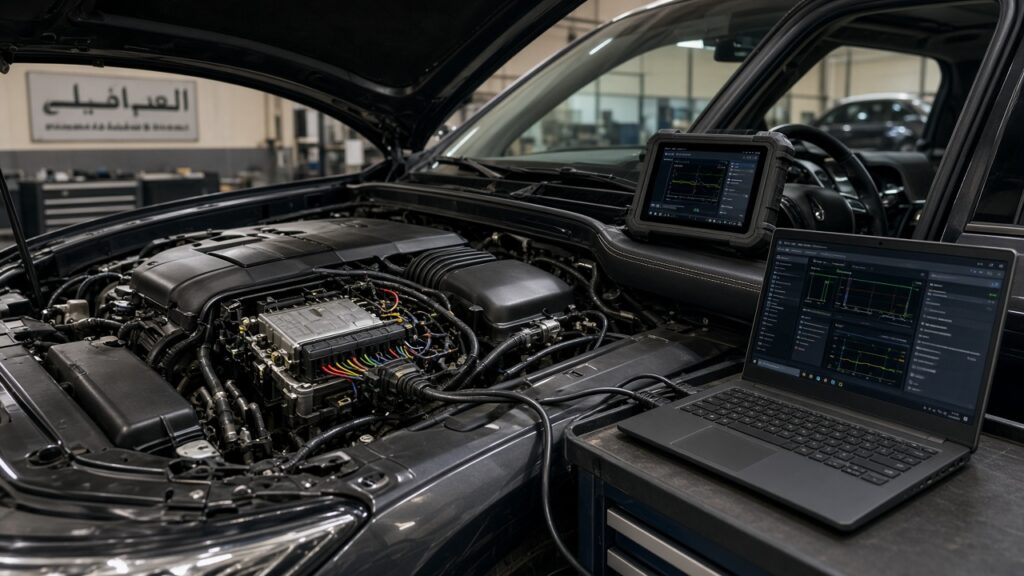
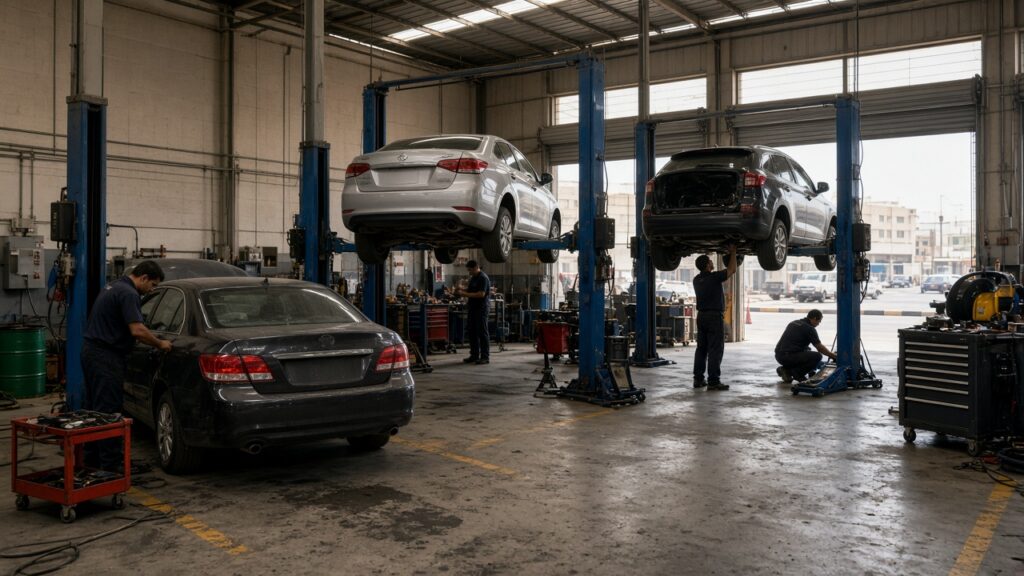
When you take your vehicle in for repair, a professional mechanic will first perform a thorough inspection to confirm which components are faulty. The process of Ball joint & tie rod end replacement is a critical safety repair. The mechanic will safely lift the vehicle, remove the wheels, and disassemble the necessary parts of the suspension to access the old, worn components. This often involves separating the part from the steering knuckle, which can be challenging due to rust and corrosion. After the old parts are pressed or unbolted, new, high-quality ball joints and/or tie rod ends are installed. It is absolutely crucial that a front-end wheel alignment is performed after this service. The replacement of these parts directly affects the steering angles, and without an alignment, your car will pull to one side and your new tires will be ruined in short order.
Can You Do It Yourself?
Replacing ball joints and tie rod ends is considered an advanced DIY job. It requires specialized tools like ball joint presses, pickle forks, and torque wrenches. More importantly, it requires a strong understanding of suspension systems and, most critically, the safety procedures to ensure the repair is done correctly. Given the life-or-death importance of these components, for most people, this is a job best left to a certified technician who can guarantee the work.
Conclusion: Don’t Ignore the Clunk
The sounds and feelings of worn ball joints and tie rod ends are your vehicle’s way of sending an SOS. What starts as an occasional noise can quickly escalate into a dire safety situation. By recognizing the symptoms early clunking noises, loose steering, uneven tire wear—you can address the problem proactively. Investing in a timely ball joint and tie rod end replacement is an investment in your safety, the safety of your passengers, and the longevity of your vehicle. Schedule an inspection with a trusted mechanic at the first sign of trouble. Your peace of mind on the road is worth it.