Home About Services Brands Blog Contact
September 26, 2025 โ€ข Suspension & Steering

Why Your Car Makes Clunking Noises: Complete Guide to Strut Mount Issues

Have you ever driven over a speed bump or pothole and heard an unsettling clunking noise coming from your car’s front end? That mysterious sound that makes you wonder if something serious is wrong with your vehicle? You’re not alone in experiencing this frustrating problem. Thousands of drivers deal with strange suspension noises every day, and more often than not, the culprit is a worn-out strut mount or deteriorating bushings in the suspension system.

Understanding what causes these noises and knowing how to address them can save you from costly repairs down the road and ensure your safety on the road. The suspension system in your vehicle is complex, with multiple components working together to provide a smooth ride and maintain proper handling. When one component fails, it can create a cascade of problems that affect your driving experience and potentially compromise your safety.

What Are Strut Mounts and Why Do They Matter?

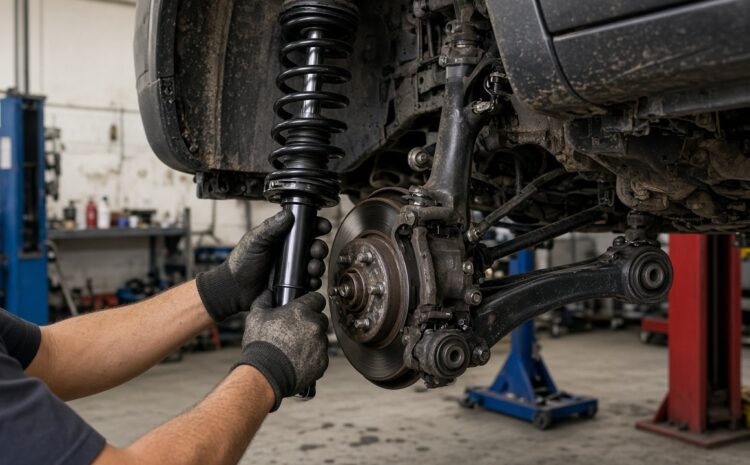
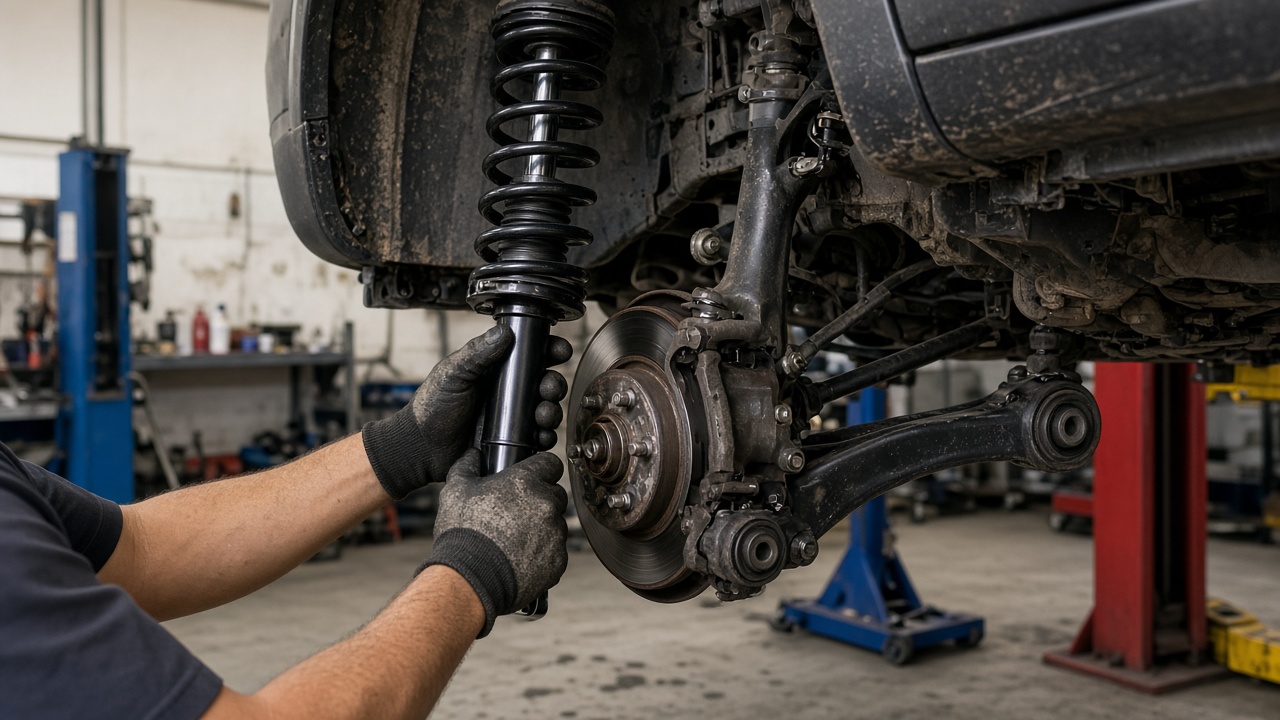
Strut mounts are critical components that connect your vehicle’s struts to the car’s body or frame. These rubber and metal assemblies serve multiple purposes in your suspension system. They isolate road vibrations from entering the passenger compartment, allow for proper wheel alignment, and provide a pivot point for the strut assembly during steering and suspension movement. Think of them as the interface between your suspension components and your vehicle’s structure.

Over time, the rubber components in strut mounts deteriorate due to constant exposure to road conditions, temperature fluctuations, and the natural aging process. When these components begin to fail, they lose their ability to effectively dampen vibrations and maintain proper positioning of the suspension components. This deterioration leads to the characteristic clunking, knocking, or rattling sounds that many drivers experience when driving over uneven surfaces.

The importance of addressing strut mount & bushing replacement cannot be overstated when these components begin showing signs of wear. Ignoring the problem doesn’t make it go away โ€“ instead, it often leads to accelerated wear of other suspension components and can result in more expensive repairs. A failing strut mount can cause uneven tire wear, poor handling characteristics, and increased stress on other suspension components like struts, springs, and control arms.

Common Symptoms of Failing Strut Mounts

Recognizing the signs of failing strut mounts early can help you address the problem before it becomes more serious and expensive. The most common symptom is a clunking or knocking noise when driving over bumps, potholes, or speed bumps. This noise typically occurs because the deteriorated mount allows excessive movement of the strut assembly, causing metal-to-metal contact or allowing components to move in ways they weren’t designed to.

Another telltale sign is difficulty steering or a feeling that the steering wheel doesn’t return to center properly after making a turn. When strut mounts fail, they can affect the alignment of your wheels and create binding in the suspension system. You might also notice that your car seems to wander or drift while driving straight, requiring constant steering corrections to maintain your lane position.

Vibrations felt through the steering wheel, especially during braking or when driving over rough surfaces, can also indicate strut mount problems. These vibrations occur because the failing mount is no longer effectively isolating road vibrations from the vehicle’s structure. Additionally, you might observe uneven or premature tire wear patterns, particularly on the edges of the tires, which can result from the improper wheel alignment caused by failing strut mounts.

The Role of Bushings in Your Suspension System

Bushings work hand-in-hand with strut mounts to provide a smooth, controlled ride. These small but crucial components are typically made of rubber, polyurethane, or other flexible materials and are found throughout your suspension system. They serve as cushions between metal components, reducing friction and absorbing vibrations that would otherwise be transmitted to the vehicle’s frame and passenger compartment.

Control arm bushings, sway bar bushings, and strut rod bushings all play specific roles in maintaining proper suspension geometry and providing isolation from road noise and vibration. When these bushings begin to deteriorate, they can create similar symptoms to failing strut mounts, including clunking noises, poor handling, and increased road noise. The rubber in bushings naturally degrades over time due to exposure to heat, cold, road salt, oil, and other environmental factors.

One of the challenges with bushing failure is that it can be gradual, making it difficult for drivers to notice the subtle changes in their vehicle’s behavior. What starts as a barely perceptible increase in road noise or a slight change in handling characteristics can progress to more obvious problems like clunking noises and poor steering response. Regular inspection of these components during routine maintenance can help identify problems before they become serious.

Diagnosing Strut Mount and Bushing Problems

Proper diagnosis is essential before undertaking any repair work. While some symptoms might seem to point clearly to strut mount or bushing problems, other suspension components can cause similar symptoms. A thorough inspection should include both visual examination and physical testing of the suspected components.

Visual inspection involves looking for obvious signs of wear such as cracked or separated rubber, rust or corrosion on metal components, and signs of oil leakage from struts. Physical testing might include pushing down on each corner of the vehicle to test the response of the suspension system, checking for excessive play in suspension components, and listening for unusual noises during movement.
Picture background

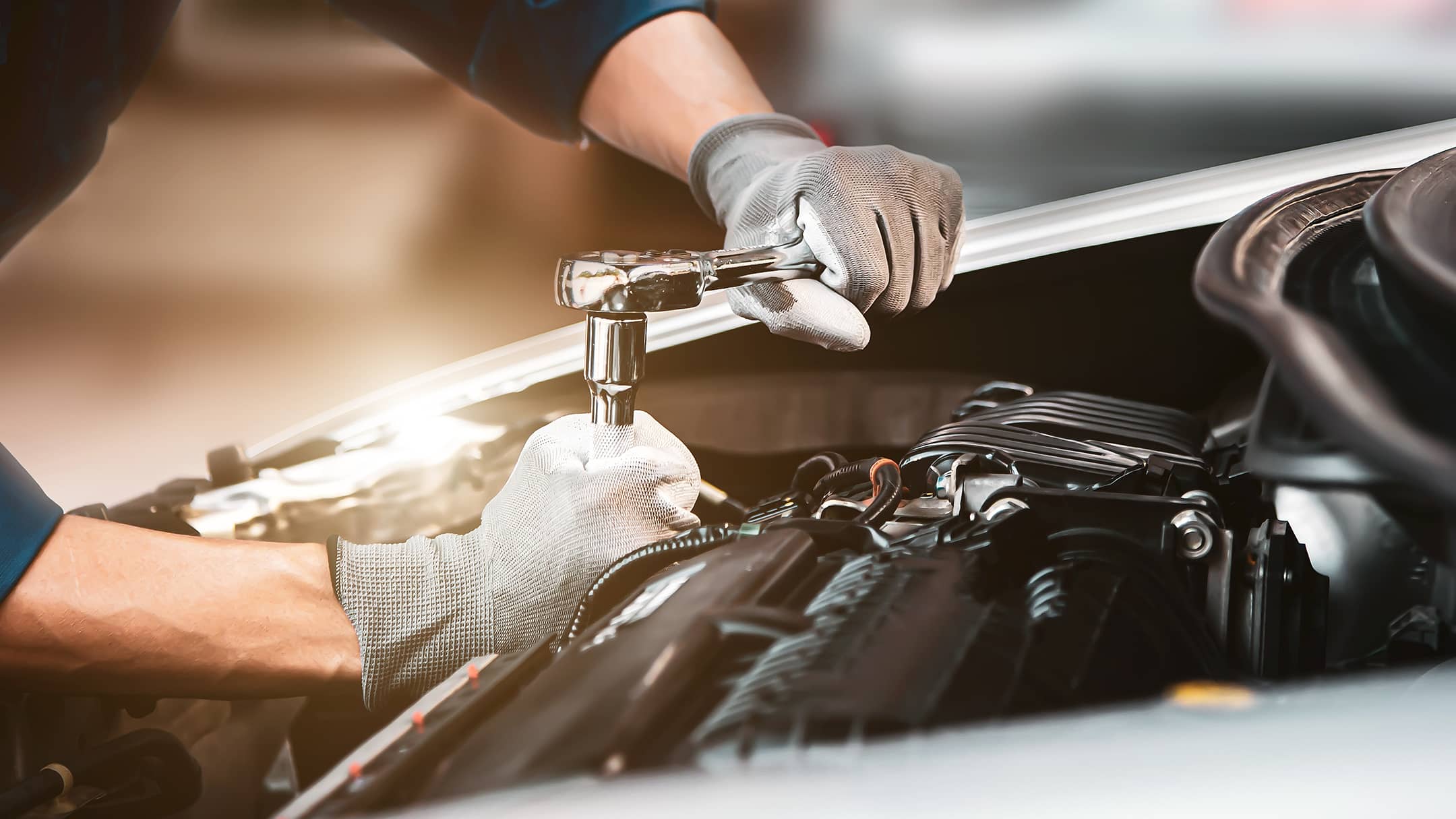
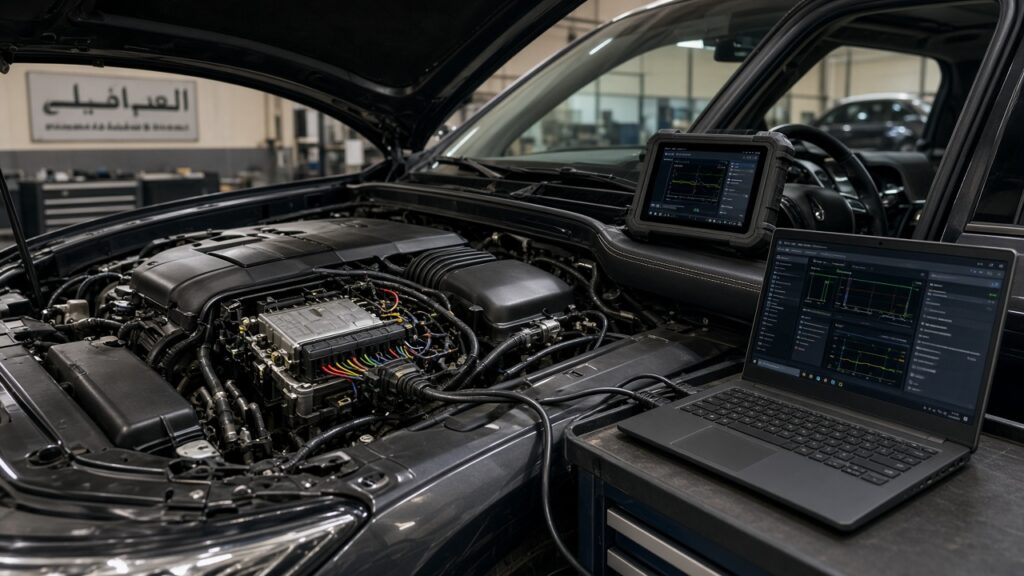
Professional mechanics often use specialized tools and techniques to diagnose suspension problems accurately. They might perform a road test to reproduce the symptoms under controlled conditions, use stethoscopes or other listening devices to pinpoint the source of noises, and employ measuring tools to check for proper alignment and component positioning. This thorough approach helps ensure that the correct components are replaced and that underlying causes are addressed.

The Replacement Process and What to Expect

Replacing strut mounts and bushings is a job that requires specialized tools, knowledge of suspension systems, and attention to safety procedures. The process typically begins with safely lifting the vehicle and removing the wheels to gain access to the suspension components. Depending on the specific vehicle and the components being replaced, the job might require partial or complete removal of the strut assembly.

For strut mount replacement, the process often involves compressing the coil spring using a spring compressor tool, removing the strut assembly from the vehicle, disassembling the strut to access the mount, and then reassembling everything with the new mount. This process requires careful attention to proper torque specifications and component positioning to ensure safe and effective operation.

Bushing replacement can vary significantly depending on which bushings are being replaced and their location in the suspension system. Some bushings can be pressed out and new ones pressed in using specialized tools, while others might require replacement of the entire component they’re attached to. The key to successful bushing replacement is using the correct tools and techniques to avoid damage to surrounding components.

Prevention and Maintenance Tips

While strut mounts and bushings will eventually wear out as part of normal vehicle operation, there are steps you can take to extend their lifespan and catch problems early. Regular inspection during routine maintenance is one of the most effective preventive measures. Having your suspension components checked during oil changes or other regular service intervals can help identify problems before they become serious.

Driving habits also play a role in the longevity of suspension components. Avoiding potholes when possible, driving at reasonable speeds over speed bumps and rough surfaces, and avoiding overloading your vehicle can all help reduce stress on suspension components. While these practices won’t prevent normal wear and aging, they can help slow the deterioration process.

Environmental factors also affect the lifespan of rubber suspension components. Vehicles operated in areas with extreme temperatures, heavy road salt use, or high levels of road debris may experience accelerated wear of rubber components. Regular washing of the undercarriage, particularly during winter months in areas where road salt is used, can help remove corrosive substances that accelerate component deterioration.

Cost Considerations and Making Informed Decisions

The cost of strut mount and bushing replacement can vary significantly depending on your vehicle, the specific components that need replacement, and whether you choose to do the work yourself or have it done professionally. Understanding the factors that affect cost can help you make informed decisions about timing and approach to these repairs.

Labor costs often represent a significant portion of suspension repair expenses because accessing and replacing these components can be time-consuming and require specialized tools. However, attempting these repairs without proper knowledge, tools, and safety equipment can be dangerous and may result in improper installation that could compromise vehicle safety or lead to additional damage.

When considering repair costs, it’s important to factor in the potential consequences of delaying necessary repairs. Continuing to drive with failed strut mounts or bushings can lead to accelerated wear of other more expensive components like struts, tires, and steering components. Additionally, compromised suspension performance can affect vehicle safety, particularly in emergency maneuvering situations or adverse weather conditions.

In conclusion, addressing clunking noises and other symptoms of failing strut mounts and bushings promptly is essential for maintaining your vehicle’s safety, performance, and comfort. While these repairs might seem daunting, understanding the symptoms, causes, and repair process can help you make informed decisions about maintaining your vehicle’s suspension system. Regular inspection and maintenance, combined with prompt attention to developing problems, will help ensure that your vehicle continues to provide safe and comfortable transportation for years to come.

 

 Why Your Car Makes Clunking Noises: Complete Guide to Strut Mount Issues

Why Your Car Makes Clunking Noises: Complete Guide to Strut Mount Issues

Have you ever driven over a speed bump or pothole and heard an unsettling clunking noise coming from your car’s front end? That mysterious sound that makes you wonder if something serious is wrong with your vehicle? You’re not alone in experiencing this frustrating problem. Thousands of drivers deal with strange suspension noises every day, and more often than not, the culprit is a worn-out strut mount or deteriorating bushings in the suspension system.

Understanding what causes these noises and knowing how to address them can save you from costly repairs down the road and ensure your safety on the road. The suspension system in your vehicle is complex, with multiple components working together to provide a smooth ride and maintain proper handling. When one component fails, it can create a cascade of problems that affect your driving experience and potentially compromise your safety.

What Are Strut Mounts and Why Do They Matter?

Strut mounts are critical components that connect your vehicle’s struts to the car’s body or frame. These rubber and metal assemblies serve multiple purposes in your suspension system. They isolate road vibrations from entering the passenger compartment, allow for proper wheel alignment, and provide a pivot point for the strut assembly during steering and suspension movement. Think of them as the interface between your suspension components and your vehicle’s structure.

Over time, the rubber components in strut mounts deteriorate due to constant exposure to road conditions, temperature fluctuations, and the natural aging process. When these components begin to fail, they lose their ability to effectively dampen vibrations and maintain proper positioning of the suspension components. This deterioration leads to the characteristic clunking, knocking, or rattling sounds that many drivers experience when driving over uneven surfaces.

The importance of addressing strut mount & bushing replacement cannot be overstated when these components begin showing signs of wear. Ignoring the problem doesn’t make it go away โ€“ instead, it often leads to accelerated wear of other suspension components and can result in more expensive repairs. A failing strut mount can cause uneven tire wear, poor handling characteristics, and increased stress on other suspension components like struts, springs, and control arms.

Common Symptoms of Failing Strut Mounts

Recognizing the signs of failing strut mounts early can help you address the problem before it becomes more serious and expensive. The most common symptom is a clunking or knocking noise when driving over bumps, potholes, or speed bumps. This noise typically occurs because the deteriorated mount allows excessive movement of the strut assembly, causing metal-to-metal contact or allowing components to move in ways they weren’t designed to.

Another telltale sign is difficulty steering or a feeling that the steering wheel doesn’t return to center properly after making a turn. When strut mounts fail, they can affect the alignment of your wheels and create binding in the suspension system. You might also notice that your car seems to wander or drift while driving straight, requiring constant steering corrections to maintain your lane position.

Vibrations felt through the steering wheel, especially during braking or when driving over rough surfaces, can also indicate strut mount problems. These vibrations occur because the failing mount is no longer effectively isolating road vibrations from the vehicle’s structure. Additionally, you might observe uneven or premature tire wear patterns, particularly on the edges of the tires, which can result from the improper wheel alignment caused by failing strut mounts.

The Role of Bushings in Your Suspension System

Bushings work hand-in-hand with strut mounts to provide a smooth, controlled ride. These small but crucial components are typically made of rubber, polyurethane, or other flexible materials and are found throughout your suspension system. They serve as cushions between metal components, reducing friction and absorbing vibrations that would otherwise be transmitted to the vehicle’s frame and passenger compartment.

Control arm bushings, sway bar bushings, and strut rod bushings all play specific roles in maintaining proper suspension geometry and providing isolation from road noise and vibration. When these bushings begin to deteriorate, they can create similar symptoms to failing strut mounts, including clunking noises, poor handling, and increased road noise. The rubber in bushings naturally degrades over time due to exposure to heat, cold, road salt, oil, and other environmental factors.

One of the challenges with bushing failure is that it can be gradual, making it difficult for drivers to notice the subtle changes in their vehicle’s behavior. What starts as a barely perceptible increase in road noise or a slight change in handling characteristics can progress to more obvious problems like clunking noises and poor steering response. Regular inspection of these components during routine maintenance can help identify problems before they become serious.

Diagnosing Strut Mount and Bushing Problems

Proper diagnosis is essential before undertaking any repair work. While some symptoms might seem to point clearly to strut mount or bushing problems, other suspension components can cause similar symptoms. A thorough inspection should include both visual examination and physical testing of the suspected components.

Visual inspection involves looking for obvious signs of wear such as cracked or separated rubber, rust or corrosion on metal components, and signs of oil leakage from struts. Physical testing might include pushing down on each corner of the vehicle to test the response of the suspension system, checking for excessive play in suspension components, and listening for unusual noises during movement.

Picture background

Professional mechanics often use specialized tools and techniques to diagnose suspension problems accurately. They might perform a road test to reproduce the symptoms under controlled conditions, use stethoscopes or other listening devices to pinpoint the source of noises, and employ measuring tools to check for proper alignment and component positioning. This thorough approach helps ensure that the correct components are replaced and that underlying causes are addressed.

The Replacement Process and What to Expect

Replacing strut mounts and bushings is a job that requires specialized tools, knowledge of suspension systems, and attention to safety procedures. The process typically begins with safely lifting the vehicle and removing the wheels to gain access to the suspension components. Depending on the specific vehicle and the components being replaced, the job might require partial or complete removal of the strut assembly.

For strut mount replacement, the process often involves compressing the coil spring using a spring compressor tool, removing the strut assembly from the vehicle, disassembling the strut to access the mount, and then reassembling everything with the new mount. This process requires careful attention to proper torque specifications and component positioning to ensure safe and effective operation.

Bushing replacement can vary significantly depending on which bushings are being replaced and their location in the suspension system. Some bushings can be pressed out and new ones pressed in using specialized tools, while others might require replacement of the entire component they’re attached to. The key to successful bushing replacement is using the correct tools and techniques to avoid damage to surrounding components.

Prevention and Maintenance Tips

While strut mounts and bushings will eventually wear out as part of normal vehicle operation, there are steps you can take to extend their lifespan and catch problems early. Regular inspection during routine maintenance is one of the most effective preventive measures. Having your suspension components checked during oil changes or other regular service intervals can help identify problems before they become serious.

Driving habits also play a role in the longevity of suspension components. Avoiding potholes when possible, driving at reasonable speeds over speed bumps and rough surfaces, and avoiding overloading your vehicle can all help reduce stress on suspension components. While these practices won’t prevent normal wear and aging, they can help slow the deterioration process.

Environmental factors also affect the lifespan of rubber suspension components. Vehicles operated in areas with extreme temperatures, heavy road salt use, or high levels of road debris may experience accelerated wear of rubber components. Regular washing of the undercarriage, particularly during winter months in areas where road salt is used, can help remove corrosive substances that accelerate component deterioration.

Cost Considerations and Making Informed Decisions

The cost of strut mount and bushing replacement can vary significantly depending on your vehicle, the specific components that need replacement, and whether you choose to do the work yourself or have it done professionally. Understanding the factors that affect cost can help you make informed decisions about timing and approach to these repairs.

Labor costs often represent a significant portion of suspension repair expenses because accessing and replacing these components can be time-consuming and require specialized tools. However, attempting these repairs without proper knowledge, tools, and safety equipment can be dangerous and may result in improper installation that could compromise vehicle safety or lead to additional damage.

When considering repair costs, it’s important to factor in the potential consequences of delaying necessary repairs. Continuing to drive with failed strut mounts or bushings can lead to accelerated wear of other more expensive components like struts, tires, and steering components. Additionally, compromised suspension performance can affect vehicle safety, particularly in emergency maneuvering situations or adverse weather conditions.

In conclusion, addressing clunking noises and other symptoms of failing strut mounts and bushings promptly is essential for maintaining your vehicle’s safety, performance, and comfort. While these repairs might seem daunting, understanding the symptoms, causes, and repair process can help you make informed decisions about maintaining your vehicle’s suspension system. Regular inspection and maintenance, combined with prompt attention to developing problems, will help ensure that your vehicle continues to provide safe and comfortable transportation for years to come.
 

Leave a Reply

Your email address will not be published. Required fields are marked *

Smart Garage
Service Advisor
Online
Smart Garage
Hello! How can we help you with your car today? ๐Ÿ‘‹
Just now
1