Home About Services Brands Blog Contact
November 06, 2025 • Uncategorized

The Future is Now: How AI, EV, and Advanced Diagnostics Are Changing Luxury Car Repair

Your high-performance vehicle is a sophisticated, rolling computer network. Maintaining it requires a shift from traditional mechanics to high-tech specialists. Here is how the service process has fundamentally changed.

I. The Diagnostic Revolution: When Repair Becomes Software Engineering

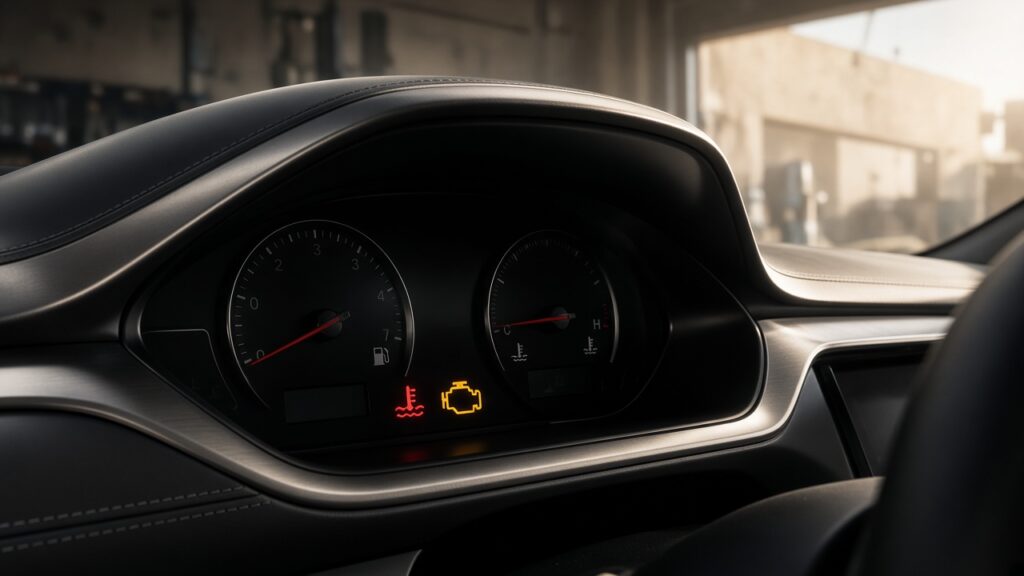
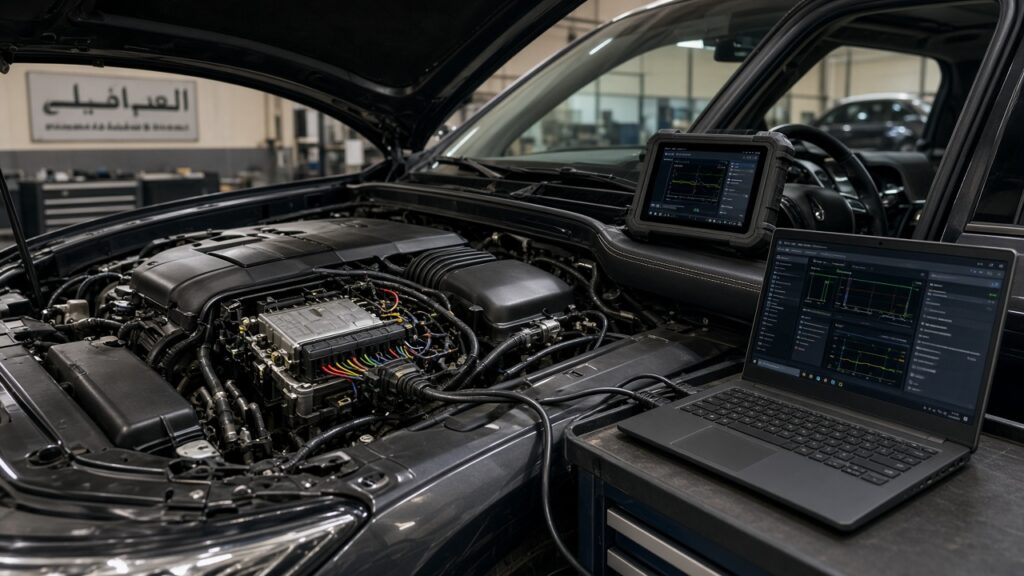
The days of simply reading a check engine light with a basic code reader are over. Modern vehicles are complex mobile computer networks managed by dozens of interconnected control modules. When something goes wrong, it often requires software intervention, not just a wrench.

Beyond the Code: Why Advanced Diagnostics are Essential

Automotive diagnostics now involve using state-of-the-art tools and machinery to analyze these integrated systems, decoding intricate error messages that go far beyond simple warnings. This approach pinpoints malfunctions and inefficiencies that are completely invisible during a visual inspection.

The future of car repairs is being heavily influenced by the integration of advanced diagnostic tools, often powered by artificial intelligence (AI). These systems identify issues with greater precision, providing accurate solutions and performing quicker, more efficient repairs, from engine light troubleshooting to identifying complex component failures.

The Mandatory Need for ECU Coding and Reprogramming

Contemporary repair is increasingly dependent on computer reprogramming. A repair is often incomplete until the vehicle’s computer software is updated. This is mandatory to improve performance, reduce emissions, increase fuel economy, or to help the vehicle accept a new replacement part.

For example, replacing a complex module like the Transmission Control Module (TCM) requires precise programming and coding to return the vehicle to the original equipment manufacturer (OEM) standards. This necessity transforms the diagnostic service into a specialized, essential “ECU Tune-Up” that demands dealer-level expertise and equipment.

II. Preparing for Electric Performance: The EV Maintenance Shift

With models like the BMW i7 and Porsche Taycan rapidly gaining traction, independent garages must demonstrate specialized readiness for the electric vehicle (EV) era.

High-Voltage Specialization

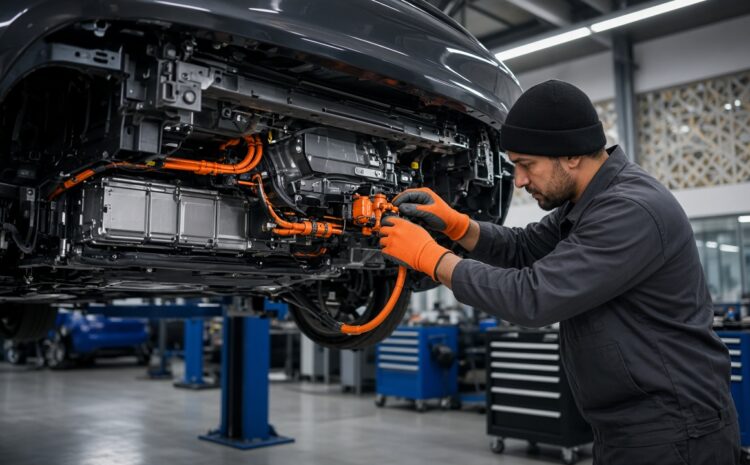
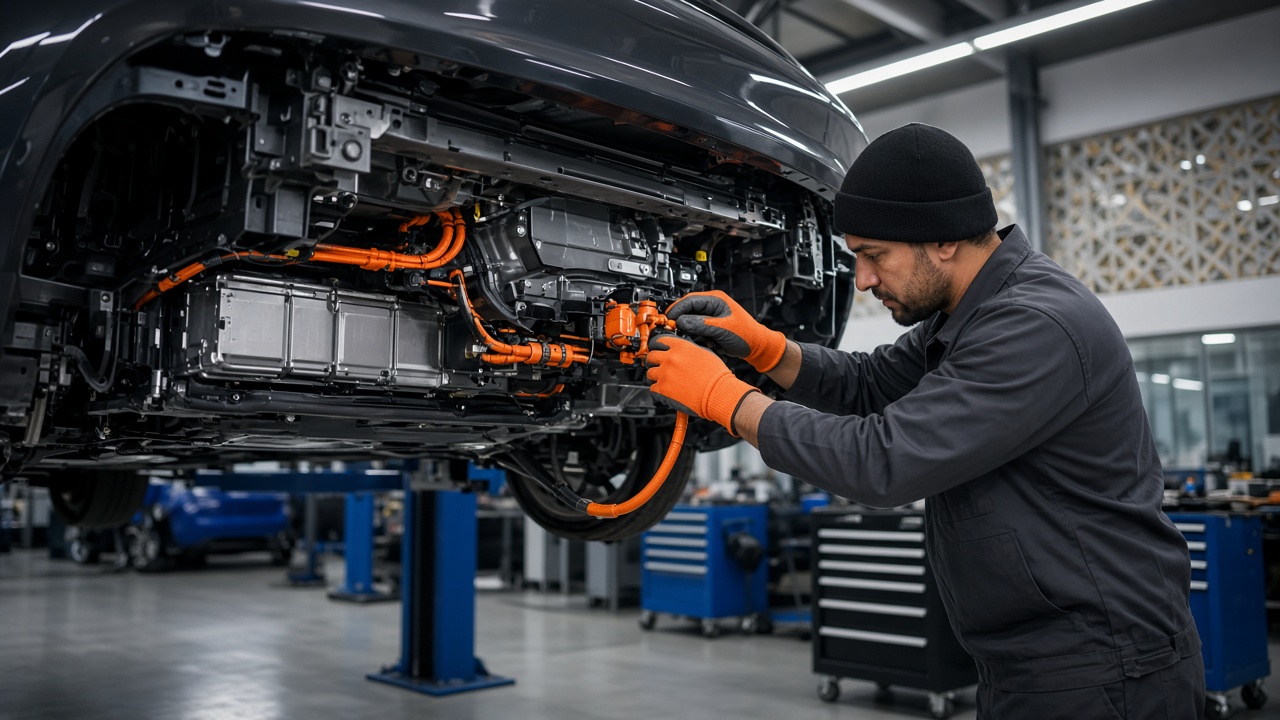
While EVs eliminate the need for oil changes, they introduce new complex requirements centered on high-voltage systems. Maintenance involves specialized expertise for high-voltage battery health management, charging system diagnostics, and inspecting the electric motor performance. In the coming years, we expect diagnostic tools to become more sophisticated, allowing technicians to analyze battery performance in real-time, checking charge cycles and expected lifespan.

The Enduring Mechanical Imperative

Despite the high-tech shift, traditional mechanical expertise remains essential. EV servicing still requires precise wheel alignment (critical for maximizing battery range and tire life), brake component inspection, suspension maintenance, and servicing the high-load AC systems, which are vital in the UAE climate.

III. Strategic Parts Selection: Quality vs. Cost in the UAE

Choosing between parts can significantly impact your car’s performance, safety, and warranty coverage. As a specialist garage, we provide transparent guidance on your options.

OEM vs. Aftermarket: Calculating Long-Term Value

Original Equipment Manufacturer (OEM) parts are made by the original supplier, guaranteeing a perfect fit, superior durability, and often better long-term value despite a higher initial cost.

Conversely, aftermarket parts offer affordability and variety, but their quality can vary significantly. If your luxury vehicle is still under the manufacturer’s warranty, using non-OEM parts may void that coverage entirely.

We advise using OEM parts for safety-critical components (like brakes) and systems under warranty. However, for cost-effective, non-safety-critical repairs, we certify the use of only reputable, premium aftermarket brands, balancing your investment with your vehicle’s safety and longevity.

Ready to ensure your luxury car is maintained by technicians who understand both the engine and the software? Schedule an appointment with Smart Garage today for an advanced diagnostic inspection.
 

The Future is Now: How AI, EV, and Advanced Diagnostics Are Changing Luxury Car Repair

Your high-performance vehicle is a sophisticated, rolling computer network. Maintaining it requires a shift from traditional mechanics to high-tech specialists. Here is how the service process has fundamentally changed.

I. The Diagnostic Revolution: When Repair Becomes Software Engineering

The days of simply reading a check engine light with a basic code reader are over. Modern vehicles are complex mobile computer networks managed by dozens of interconnected control modules. When something goes wrong, it often requires software intervention, not just a wrench.

Beyond the Code: Why Advanced Diagnostics are Essential

Automotive diagnostics now involve using state-of-the-art tools and machinery to analyze these integrated systems, decoding intricate error messages that go far beyond simple warnings. This approach pinpoints malfunctions and inefficiencies that are completely invisible during a visual inspection.

The future of car repairs is being heavily influenced by the integration of advanced diagnostic tools, often powered by artificial intelligence (AI). These systems identify issues with greater precision, providing accurate solutions and performing quicker, more efficient repairs, from engine light troubleshooting to identifying complex component failures.

The Mandatory Need for ECU Coding and Reprogramming

Contemporary repair is increasingly dependent on computer reprogramming. A repair is often incomplete until the vehicle’s computer software is updated. This is mandatory to improve performance, reduce emissions, increase fuel economy, or to help the vehicle accept a new replacement part.

For example, replacing a complex module like the Transmission Control Module (TCM) requires precise programming and coding to return the vehicle to the original equipment manufacturer (OEM) standards. This necessity transforms the diagnostic service into a specialized, essential “ECU Tune-Up” that demands dealer-level expertise and equipment.

II. Preparing for Electric Performance: The EV Maintenance Shift

With models like the BMW i7 and Porsche Taycan rapidly gaining traction, independent garages must demonstrate specialized readiness for the electric vehicle (EV) era.

High-Voltage Specialization

While EVs eliminate the need for oil changes, they introduce new complex requirements centered on high-voltage systems. Maintenance involves specialized expertise for high-voltage battery health management, charging system diagnostics, and inspecting the electric motor performance. In the coming years, we expect diagnostic tools to become more sophisticated, allowing technicians to analyze battery performance in real-time, checking charge cycles and expected lifespan.

The Enduring Mechanical Imperative

Despite the high-tech shift, traditional mechanical expertise remains essential. EV servicing still requires precise wheel alignment (critical for maximizing battery range and tire life), brake component inspection, suspension maintenance, and servicing the high-load AC systems, which are vital in the UAE climate.

III. Strategic Parts Selection: Quality vs. Cost in the UAE

Choosing between parts can significantly impact your car’s performance, safety, and warranty coverage. As a specialist garage, we provide transparent guidance on your options.

OEM vs. Aftermarket: Calculating Long-Term Value

Original Equipment Manufacturer (OEM) parts are made by the original supplier, guaranteeing a perfect fit, superior durability, and often better long-term value despite a higher initial cost.

Conversely, aftermarket parts offer affordability and variety, but their quality can vary significantly. If your luxury vehicle is still under the manufacturer’s warranty, using non-OEM parts may void that coverage entirely.

We advise using OEM parts for safety-critical components (like brakes) and systems under warranty. However, for cost-effective, non-safety-critical repairs, we certify the use of only reputable, premium aftermarket brands, balancing your investment with your vehicle’s safety and longevity.

Ready to ensure your luxury car is maintained by technicians who understand both the engine and the software? Schedule an appointment with Smart Garage today for an advanced diagnostic inspection.
 

Leave a Reply

Your email address will not be published. Required fields are marked *

Smart Garage
Service Advisor
Online
Smart Garage
Hello! How can we help you with your car today? 👋
Just now
1