Home About Services Brands Blog Contact
September 26, 2025 • Suspension & Steering

Is Your Car Bouncing Too Much? 7 Signs You Need a Shock Absorber Replacement Now

That floaty, boat-like feeling when you drive over a bump isn’t a feature of your car—it’s a cry for help. Your shock absorbers are one of the most critical yet overlooked components of your vehicle. They don’t just make your ride comfortable; they are fundamental to keeping your tires firmly planted on the road. Ignoring them isn’t just a matter of enduring a bumpy ride; it’s a significant safety risk that compromises your ability to brake and steer effectively.

Unlike an oil change that comes with a clear mileage reminder, shock absorbers wear down gradually. This slow decline means many drivers simply get used to the deteriorating performance, not realizing how much control they’ve lost until a sudden emergency maneuver reveals the terrifying truth. Your car’s handling and stability are directly tied to the health of these components.

So, how do you know when it’s time to stop ignoring the bumps and take action? The warning signs are clear if you know what to look for. Recognizing these symptoms early can save you money on related repairs and, more importantly, prevent an accident. Let’s dive into the seven most common signs that your vehicle is screaming for a shock absorber replacement.

1. Excessive Bouncing and Swerving

This is the most classic symptom. A healthy shock absorber’s job is to dampen the spring’s oscillation. When you hit a bump, the spring compresses and then wants to expand. The shock absorber controls this expansion, settling the car back down quickly. Worn shocks can’t do this. Instead, your car will bounce up and down several times after a bump. Try this simple test: push down firmly on the front of your car and release. If it bounces more than once or twice before settling, your shocks are likely worn out. On the road, this feels like a nauseating, swaying motion, especially on undulating highways.

2. Nose-Diving When Braking

Do you feel your car’s front end lurching dramatically toward the ground every time you press the brake pedal? This “nose-dive” is a clear sign of failing front shock absorbers. Good shocks help control the vehicle’s weight transfer during braking, keeping the car level. When they are worn, the inertia of stopping throws the vehicle’s weight forward uncontrollably. This not only feels unsettling but also increases stopping distances and puts extra strain on your front braking components.

3. Uneven or Rapid Tire Wear

Take a close look at your tires. Are they wearing down unevenly? Do you see cupping or scalloping—a pattern of bald spots and high spots around the tire’s tread? This is a telltale sign of bad shocks. When shocks are worn, the tire can actually bounce up and lose contact with the road surface. When it slams back down, it scuffs off rubber in specific spots. This type of wear is dangerous and can lead to premature, expensive tire replacement. If your tires are wearing out faster than expected, your suspension is a prime suspect.

4. Steering Instability and Vibration

A vehicle with healthy shocks should feel planted and confident, tracking straight with minimal input from the steering wheel. Worn shocks cause a vague, wandering feeling, especially at higher speeds. You might find yourself constantly making small corrections to stay in your lane. This is because the tires aren’t maintaining consistent contact with the pavement. You may also feel a vibration in the steering wheel, as the worn components allow road imperfections to transmit more directly into the vehicle’s chassis.

5. Leaking Fluid on the Shock Body

Shock absorbers are hydraulic devices filled with oil. A visible leak is a definitive sign that they need to be replaced. Look behind your wheels at the shock absorber’s body. If you see an oily, dirty film coating the shock, it means the internal seals have failed and the fluid has escaped. Without this fluid, the shock cannot function properly. A leak is a non-negotiable indicator that replacement is immediately necessary.

6. Knocking or Clunking Noises Over Bumps

While some rattles can be harmless, a distinct knocking or clunking sound when driving over bumps or potholes is a serious red flag for your suspension. This noise often indicates that the internal components of the shock are so worn that they are physically bouncing around inside the housing. It could also mean that the shock’s mounting points are loose or damaged. Any unusual noise from the suspension should be inspected by a professional as soon as possible.

7. General Unsettled and Tiring Driving Experience

Sometimes, the sign isn’t a specific noise or action, but an overall feeling. If every drive feels more jarring than it should, if you feel every tiny crack in the pavement, and if you arrive at your destination feeling more fatigued than you used to, your shocks are probably to blame. A vehicle with a compromised suspension requires more mental and physical effort to control, leading to driver fatigue. Your car should be a comfortable, controlled environment, not a source of stress.

Picture background

Why You Shouldn’t Delay Replacement

Putting off a needed shock absorber replacement is a gamble with your safety. Compromised shocks lead to longer stopping distances, reduced stability in emergency maneuvers, and increased risk of losing control—especially in wet or windy conditions. Furthermore, the cost of ignoring the problem goes beyond safety. Worn shocks accelerate the wear of other expensive components like tires, springs, and ball joints. What seems like a savings today can turn into a much larger repair bill tomorrow.

What to Expect During Replacement

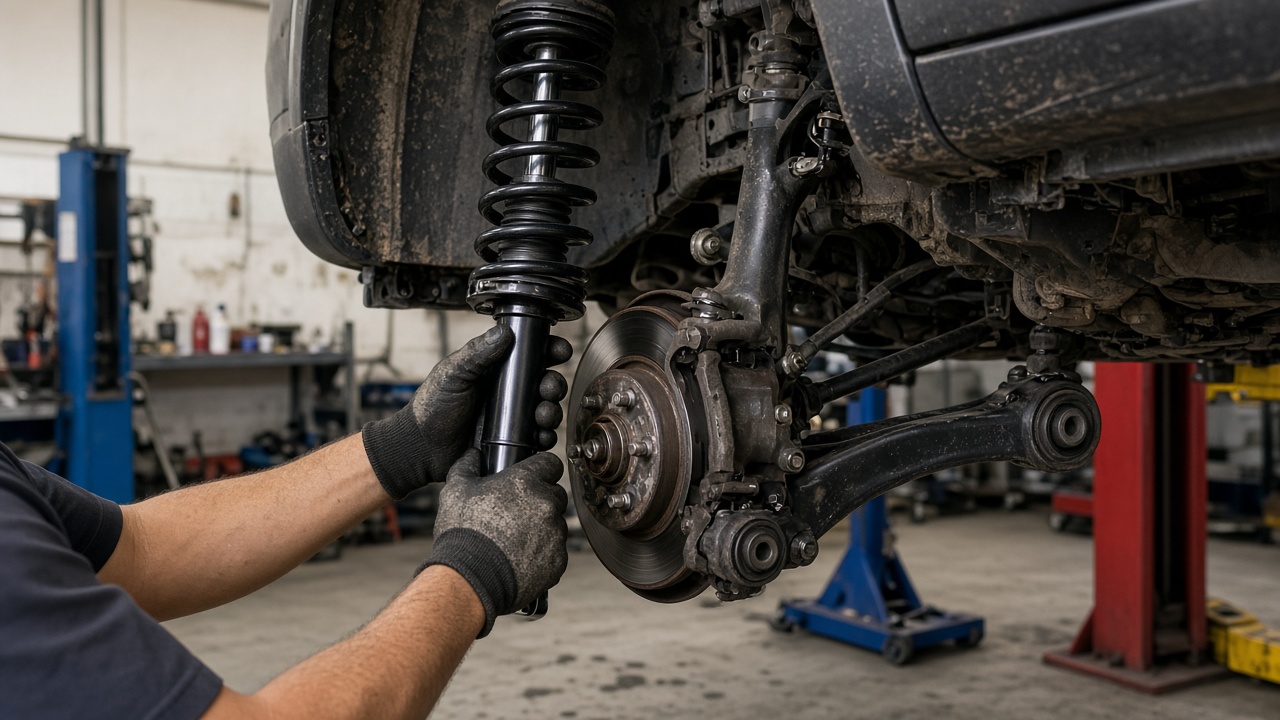
Replacing shock absorbers is a standard repair. It’s highly recommended to replace them in pairs (both front or both rear) to maintain balanced handling. The process involves lifting the car, removing the old shocks, and installing new ones. Often, other components like mounting bushings or strut mounts are replaced at the same time. While some experienced DIYers can tackle this job, it requires specialized spring compression tools for strut assemblies, making it a task best left to a qualified mechanic for most people.

Conclusion: Listen to Your Car

Your car communicates its needs through how it feels and sounds on the road. The signs of worn shock absorbers are unmistakable: bouncing, diving, uneven tire wear, and a general lack of control. Don’t become accustomed to a deteriorating ride. Paying attention to these warnings and acting promptly is an investment not just in your vehicle’s longevity, but in your peace of mind and, most importantly, your safety. If you recognize any of these symptoms, schedule an inspection with a trusted mechanic. You’ll be amazed at how a simple replacement can transform your driving experience, bringing back the secure, comfortable ride you remember.


 

 Is Your Car Bouncing Too Much? 7 Signs You Need a Shock Absorber Replacement Now

Is Your Car Bouncing Too Much? 7 Signs You Need a Shock Absorber Replacement Now

That floaty, boat-like feeling when you drive over a bump isn’t a feature of your car—it’s a cry for help. Your shock absorbers are one of the most critical yet overlooked components of your vehicle. They don’t just make your ride comfortable; they are fundamental to keeping your tires firmly planted on the road. Ignoring them isn’t just a matter of enduring a bumpy ride; it’s a significant safety risk that compromises your ability to brake and steer effectively.

Unlike an oil change that comes with a clear mileage reminder, shock absorbers wear down gradually. This slow decline means many drivers simply get used to the deteriorating performance, not realizing how much control they’ve lost until a sudden emergency maneuver reveals the terrifying truth. Your car’s handling and stability are directly tied to the health of these components.

So, how do you know when it’s time to stop ignoring the bumps and take action? The warning signs are clear if you know what to look for. Recognizing these symptoms early can save you money on related repairs and, more importantly, prevent an accident. Let’s dive into the seven most common signs that your vehicle is screaming for a shock absorber replacement.

1. Excessive Bouncing and Swerving

This is the most classic symptom. A healthy shock absorber’s job is to dampen the spring’s oscillation. When you hit a bump, the spring compresses and then wants to expand. The shock absorber controls this expansion, settling the car back down quickly. Worn shocks can’t do this. Instead, your car will bounce up and down several times after a bump. Try this simple test: push down firmly on the front of your car and release. If it bounces more than once or twice before settling, your shocks are likely worn out. On the road, this feels like a nauseating, swaying motion, especially on undulating highways.

2. Nose-Diving When Braking

Do you feel your car’s front end lurching dramatically toward the ground every time you press the brake pedal? This “nose-dive” is a clear sign of failing front shock absorbers. Good shocks help control the vehicle’s weight transfer during braking, keeping the car level. When they are worn, the inertia of stopping throws the vehicle’s weight forward uncontrollably. This not only feels unsettling but also increases stopping distances and puts extra strain on your front braking components.

3. Uneven or Rapid Tire Wear

Take a close look at your tires. Are they wearing down unevenly? Do you see cupping or scalloping—a pattern of bald spots and high spots around the tire’s tread? This is a telltale sign of bad shocks. When shocks are worn, the tire can actually bounce up and lose contact with the road surface. When it slams back down, it scuffs off rubber in specific spots. This type of wear is dangerous and can lead to premature, expensive tire replacement. If your tires are wearing out faster than expected, your suspension is a prime suspect.

4. Steering Instability and Vibration

A vehicle with healthy shocks should feel planted and confident, tracking straight with minimal input from the steering wheel. Worn shocks cause a vague, wandering feeling, especially at higher speeds. You might find yourself constantly making small corrections to stay in your lane. This is because the tires aren’t maintaining consistent contact with the pavement. You may also feel a vibration in the steering wheel, as the worn components allow road imperfections to transmit more directly into the vehicle’s chassis.

5. Leaking Fluid on the Shock Body

Shock absorbers are hydraulic devices filled with oil. A visible leak is a definitive sign that they need to be replaced. Look behind your wheels at the shock absorber’s body. If you see an oily, dirty film coating the shock, it means the internal seals have failed and the fluid has escaped. Without this fluid, the shock cannot function properly. A leak is a non-negotiable indicator that replacement is immediately necessary.

6. Knocking or Clunking Noises Over Bumps

While some rattles can be harmless, a distinct knocking or clunking sound when driving over bumps or potholes is a serious red flag for your suspension. This noise often indicates that the internal components of the shock are so worn that they are physically bouncing around inside the housing. It could also mean that the shock’s mounting points are loose or damaged. Any unusual noise from the suspension should be inspected by a professional as soon as possible.

7. General Unsettled and Tiring Driving Experience

Sometimes, the sign isn’t a specific noise or action, but an overall feeling. If every drive feels more jarring than it should, if you feel every tiny crack in the pavement, and if you arrive at your destination feeling more fatigued than you used to, your shocks are probably to blame. A vehicle with a compromised suspension requires more mental and physical effort to control, leading to driver fatigue. Your car should be a comfortable, controlled environment, not a source of stress.

Picture background

Why You Shouldn’t Delay Replacement

Putting off a needed shock absorber replacement is a gamble with your safety. Compromised shocks lead to longer stopping distances, reduced stability in emergency maneuvers, and increased risk of losing control—especially in wet or windy conditions. Furthermore, the cost of ignoring the problem goes beyond safety. Worn shocks accelerate the wear of other expensive components like tires, springs, and ball joints. What seems like a savings today can turn into a much larger repair bill tomorrow.

What to Expect During Replacement

Replacing shock absorbers is a standard repair. It’s highly recommended to replace them in pairs (both front or both rear) to maintain balanced handling. The process involves lifting the car, removing the old shocks, and installing new ones. Often, other components like mounting bushings or strut mounts are replaced at the same time. While some experienced DIYers can tackle this job, it requires specialized spring compression tools for strut assemblies, making it a task best left to a qualified mechanic for most people.

Conclusion: Listen to Your Car

Your car communicates its needs through how it feels and sounds on the road. The signs of worn shock absorbers are unmistakable: bouncing, diving, uneven tire wear, and a general lack of control. Don’t become accustomed to a deteriorating ride. Paying attention to these warnings and acting promptly is an investment not just in your vehicle’s longevity, but in your peace of mind and, most importantly, your safety. If you recognize any of these symptoms, schedule an inspection with a trusted mechanic. You’ll be amazed at how a simple replacement can transform your driving experience, bringing back the secure, comfortable ride you remember.
 

Leave a Reply

Your email address will not be published. Required fields are marked *

Smart Garage
Service Advisor
Online
Smart Garage
Hello! How can we help you with your car today? 👋
Just now
1