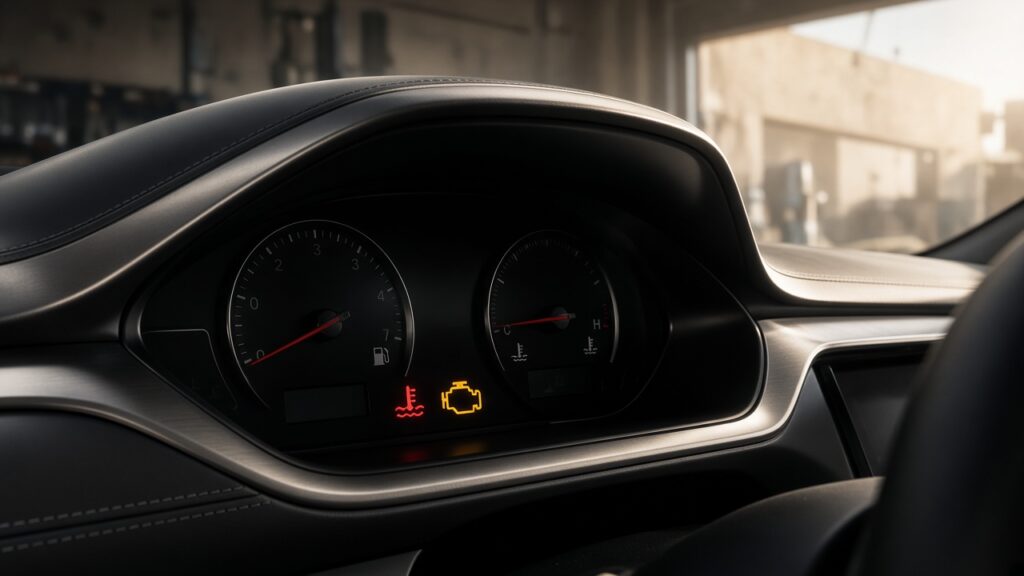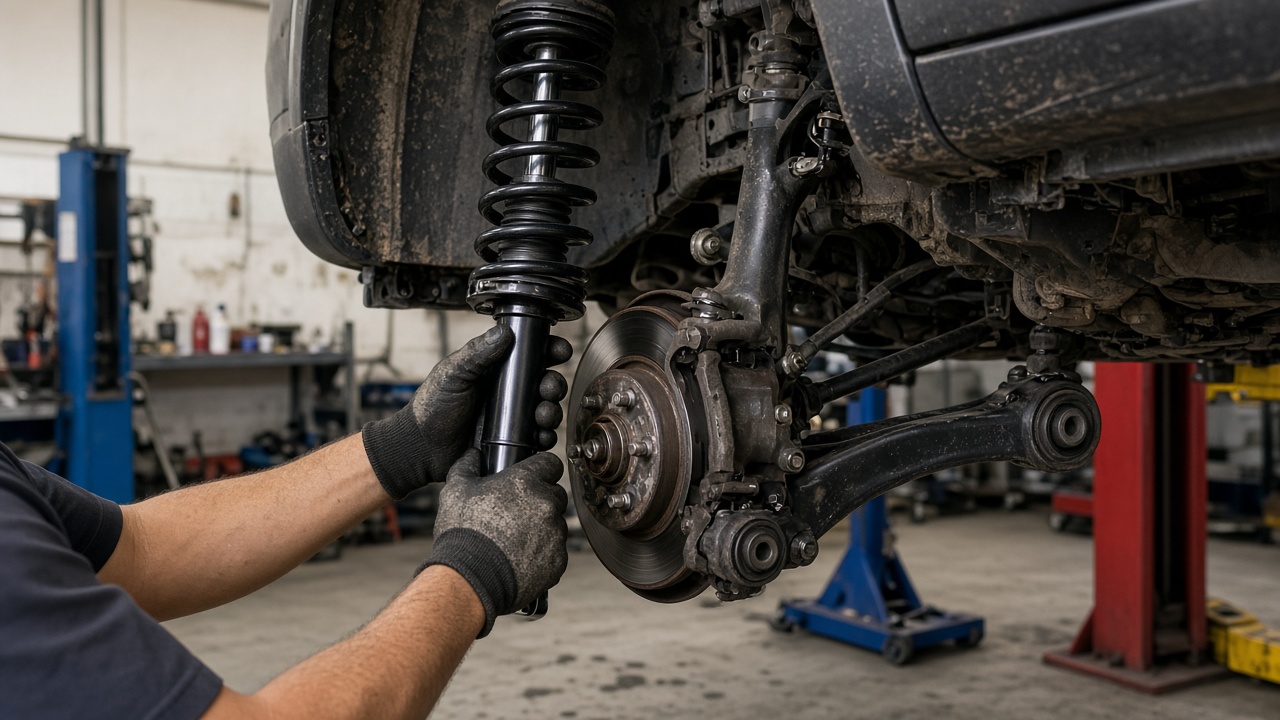
There are few things more disconcerting when driving than a feeling of vagueness from the front of your car. That slight delay between turning the steering wheel and the car actually responding, or a steering wheel that feels looser than it used to, can be a major source of driver anxiety. It’s not just an annoyance; it’s a critical safety issue. The steering system is the primary communication link between you and the road, and when it’s not functioning correctly, your control is compromised. If you’re experiencing these symptoms, you’re likely wondering what’s wrong and how much it’s going to cost to fix. In many cases, the culprit is a worn-out or failing steering rack.
Understanding Your Car’s Steering System
The steering rack is the heart of your car’s steering system. In simple terms, it’s a mechanical component that converts the rotational motion of your steering wheel into the linear motion needed to turn your car’s wheels. When you turn the wheel, a series of components engage with the rack, pushing or pulling it from side to side. In power steering systems, hydraulic or electric assistance works alongside the rack to make steering effortless. Given its constant role in every corner you take, the steering rack is subject to a significant amount of wear and tear over time.
Top Signs Your Steering Rack Might Be Failing
So, how can you tell if your steering rack is the source of your troubles? The symptoms are often distinct, but it’s important to be observant. The most common red flag is excessive play or looseness in the steering wheel. You might find yourself turning the wheel a noticeable amount before the car begins to change direction. This free play is a direct indicator of internal wear within the rack. Another tell-tale sign is steering wheel vibration, particularly at higher speeds, which can point to issues with the rack mounts or internal components.
Listening to Your Car: Noises and Leaks to Watch For
Listen closely to your car as well. Unusual noises are a dead giveaway. A clunking or knocking sound when turning over bumps often suggests worn-out inner tie rod ends that are part of the rack assembly. A whining noise, especially when turning the wheel at a standstill, is typically associated with power steering fluid issues (low fluid or a failing pump), but it can also be related to the rack’s hydraulic components. Perhaps one of the most alarming signs is fluid leakage. If you see a reddish or light brown oily fluid on your garage floor or on the steering rack boots themselves, it indicates a leak from the rack’s seals, which will lead to a loss of hydraulic pressure and difficult steering.
When It’s Time for Professional Intervention
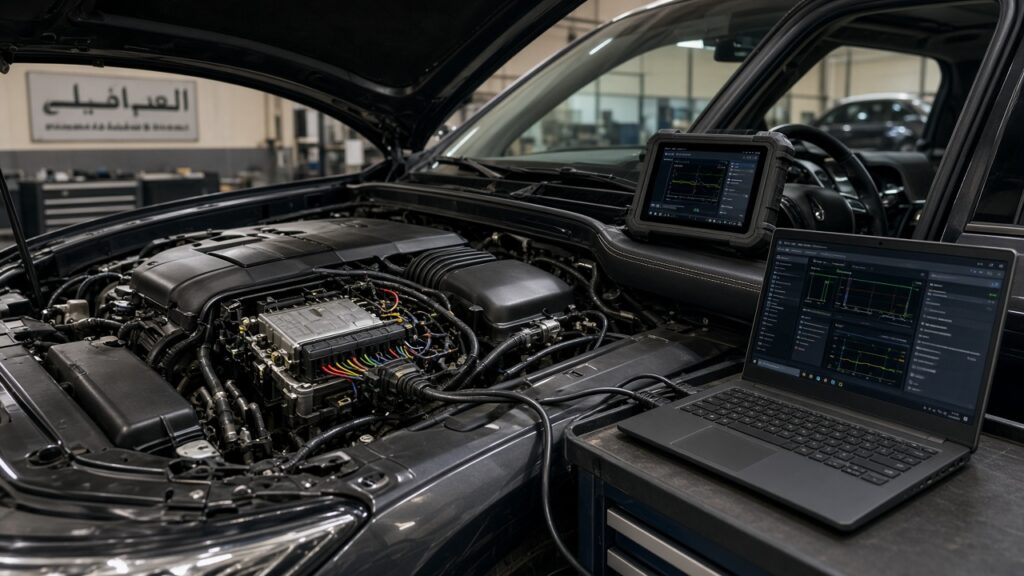
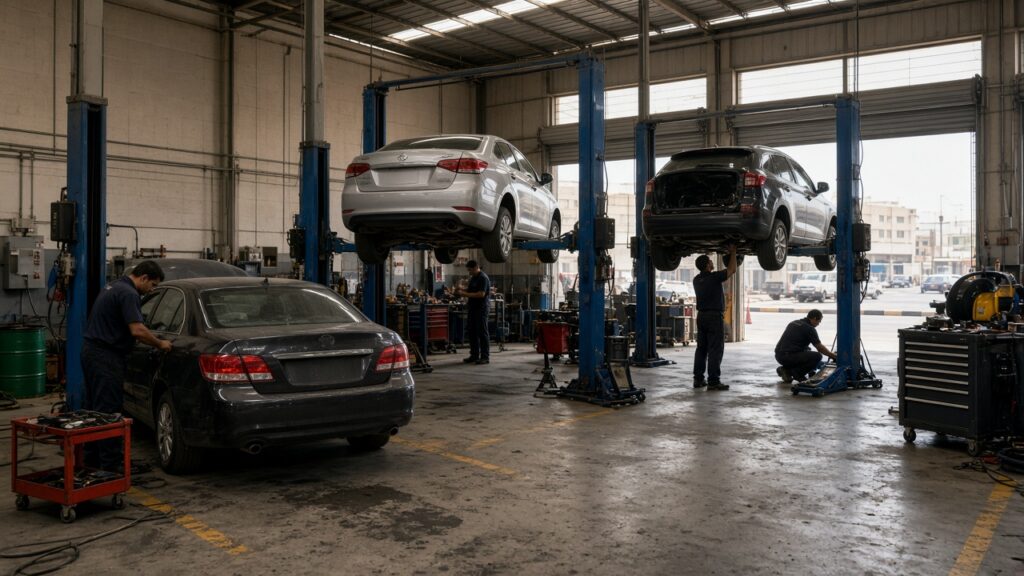
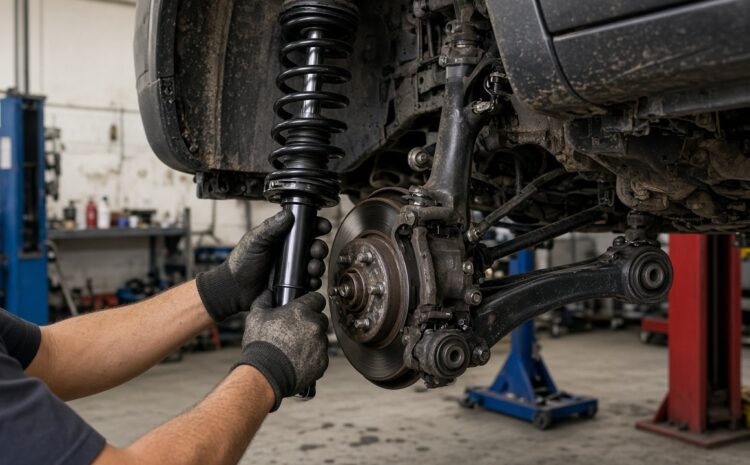
When these symptoms become too pronounced to ignore, it’s time to seek professional help. A certified mechanic will perform a thorough inspection, which includes checking for play in the steering components and examining the rack for leaks. Based on their diagnosis, they will recommend the best course of action. In some cases of minor leakage, a seal replacement might be a temporary fix, but for most instances of significant wear or internal damage, a more comprehensive solution is required. This is where a professional **steering rack service & replacement** becomes necessary. A full service involves removing the old unit, inspecting all related components like the tie rods and boots, and installing a new or quality-remanufactured rack.
What to Expect During the Repair Process
Understanding the replacement process can help alleviate some of the stress. The job is intricate and requires precision. The old rack must be disconnected from the steering column and the tie rods, and the power steering lines must be carefully detached. Once the new rack is installed, the system must be refilled with fresh power steering fluid and, most critically, the vehicle must undergo a wheel alignment. This final step is non-negotiable. Replacing the steering rack alters the car’s steering geometry, and a proper alignment ensures the wheels are pointing straight ahead when the steering wheel is centered, preventing premature tire wear and ensuring safe, predictable handling.
Understanding the Costs Involved
You might be wondering about the cost. Steering rack replacement is not a cheap repair. The price can vary widely depending on your vehicle’s make and model, the type of rack (standard power steering vs. more complex electronic systems), and whether you choose a new original equipment manufacturer (OEM) part, a new aftermarket part, or a remanufactured unit. Labor costs are also a significant factor due to the time involved. While it’s a substantial investment, it’s an investment in your safety and the drivability of your vehicle. Driving with a faulty steering rack is dangerous and can lead to a complete loss of steering control.
Preventative Maintenance Tips
Can you prevent steering rack problems? While some wear is inevitable, you can extend the life of your steering system with good habits. Avoid hitting curbs or potholes at speed, as these impacts can jar and damage the rack and its mounts. Have your power steering fluid flushed according to your vehicle manufacturer’s recommended intervals. Old, contaminated fluid can lead to premature wear of the rack’s internal seals. Finally, pay attention to the early warning signs. Addressing a small fluid leak or a minor noise early on can sometimes prevent the need for a full, expensive replacement down the line.
Conclusion: Don’t Compromise on Safety
In conclusion, a loose or noisy steering system is a problem that demands immediate attention. The steering rack is a vital safety component, and its failure can have serious consequences. By recognizing the symptoms looseness, noise, vibration, and leaks—you can take proactive steps to diagnose the issue. Trusting a qualified mechanic to perform a thorough inspection and, if needed, a professional steering rack replacement, followed by a wheel alignment, will restore your car’s sharp handling and, most importantly, your peace of mind on the road. Don’t ignore the warnings; your safety depends on it.