Driving in Dubai is an experience unlike any other. The seamless highways and stunning cityscapes are paired with unique environmental challenges: relentless summer heat, frequent stop-and-go traffic, and a persistent haze of fine desert sand. These conditions place an extraordinary amount of stress on your vehicle. While a powerful engine and ice-cold A/C get the most attention, your car’s long-term health and your immediate safety often depend on two less glamorous, but critically important, systems: the brakes and the engine belts.
Ignoring these components is not an option. Proactive maintenance is the key to ensuring safety, preventing costly breakdowns, and extending the life of your vehicle. With two decades of hands-on experience, our team at Smart Garage has seen firsthand how preventative care can make all the difference. This in-depth guide will equip you with the expert knowledge needed to understand these systems, identify critical warning signs, and adopt a smart maintenance strategy that keeps you safe on Dubai’s demanding roads.
Section 1: The Braking System – Your Most Important Safety Feature
Your car’s braking system is a sophisticated network of components that work in harmony to bring tons of metal to a safe, controlled stop. In the fast-paced traffic of Dubai, its flawless operation is non-negotiable. Understanding how it works is the first step toward proper maintenance.
Anatomy of a Modern Braking System
When you press the brake pedal, you initiate a complex chain reaction. Here are the core components involved:
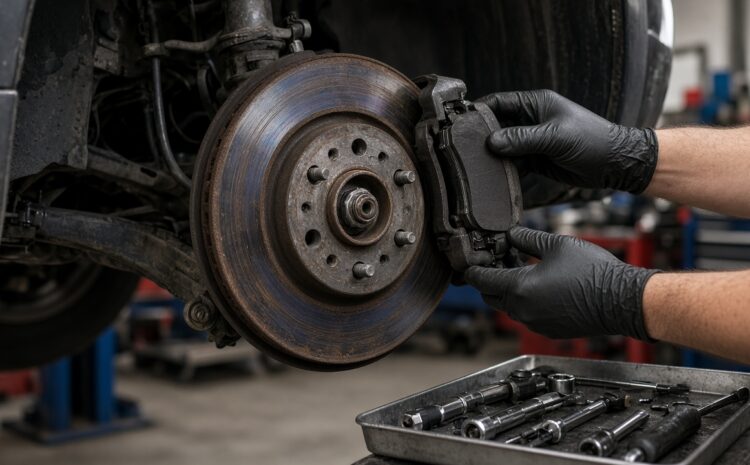
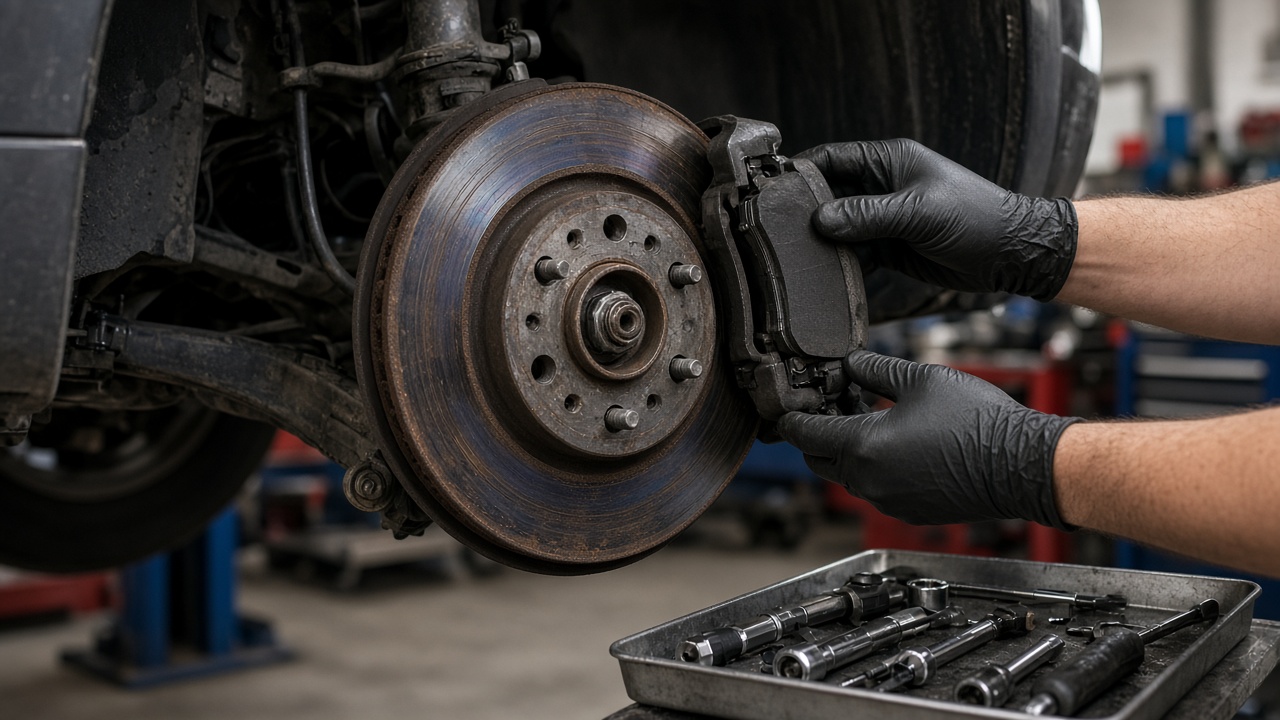
- Brake Pads: These are the friction-creating components that press against the rotors. Made from high-friction material, they are designed to wear down over time and are one of the most frequently replaced parts of the system.
- Brake Rotors (Discs): These are the large metal discs that your wheels are attached to. The brake pads clamp onto the rotors to slow the vehicle’s momentum. The intense heat generated during heavy braking can cause rotors to warp or develop surface imperfections, leading to vibrations.
- Brake Calipers: These are the hydraulic clamps that house the brake pads. When you press the pedal, brake fluid forces a piston inside the caliper to push the pads against the rotor.
- Brake Fluid: This is a special hydraulic fluid that transfers the force from your foot to the calipers. It is the lifeblood of the system, and its condition is critical for braking performance.
The Dubai Difference: How Extreme Conditions Compromise Your Brakes
Standard maintenance schedules often don’t account for the unique environmental stressors found in the UAE. Here’s what your brakes are up against:
- Extreme Heat and Humidity: Brake fluid is hygroscopic, meaning it absorbs moisture from the air. Over time, this water contamination drastically lowers the fluid’s boiling point. In Dubai’s extreme heat, this can lead to a phenomenon called “brake fade,” where the fluid boils under pressure, creating air bubbles in the lines. This results in a “spongy” or unresponsive pedal, which is incredibly dangerous.
- Abrasive Sand and Dust: The fine, airborne sand in Dubai doesn’t just make your car dirty; it actively harms your brakes. These abrasive particles can get lodged between the pads and rotors, accelerating wear and causing deep grooves or scoring on the rotor surface. This not only reduces braking efficiency but can also lead to premature failure of both components.

Critical Warning Signs That Demand Immediate Attention
A well-maintained car will almost always provide clear signals when its brakes need service. Learning to recognize these signs can save you from a potential accident and costly repairs.
- Audible Noises: A high-pitched squeal is often the first sign, caused by a built-in wear indicator on the brake pads. If you hear a harsh, metallic grinding sound, it means the pads are completely worn away, and metal is grinding against metal—a dangerous situation that requires immediate repair.
- Vibrations or Pulsing: If you feel a shudder or vibration through the steering wheel or brake pedal when you brake, it’s a strong indication that your brake rotors are warped and need to be resurfaced or replaced.
- Changes in Pedal Feel: A brake pedal that feels “soft,” “spongy,” or sinks lower to the floor than usual points to a problem with the brake fluid or a leak in the hydraulic system.
- Vehicle Pulling: If your car pulls to one side during braking, it could signal a stuck caliper, unevenly worn pads, or a problem with the brake lines.
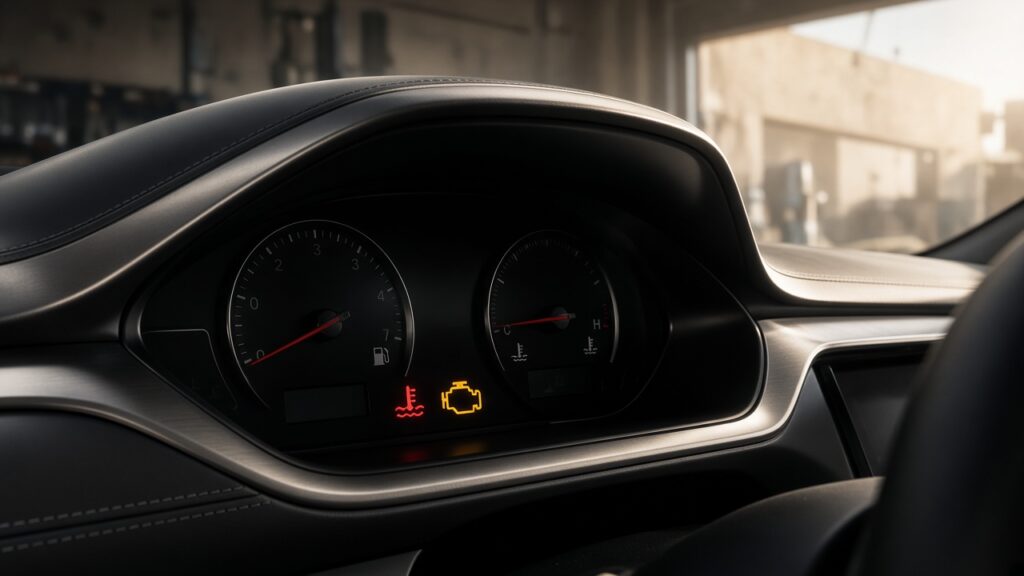
- Dashboard Warning Lights: Never ignore the brake warning light, ABS light, or traction control light. These indicate that the vehicle’s onboard computer has detected a fault in the system.
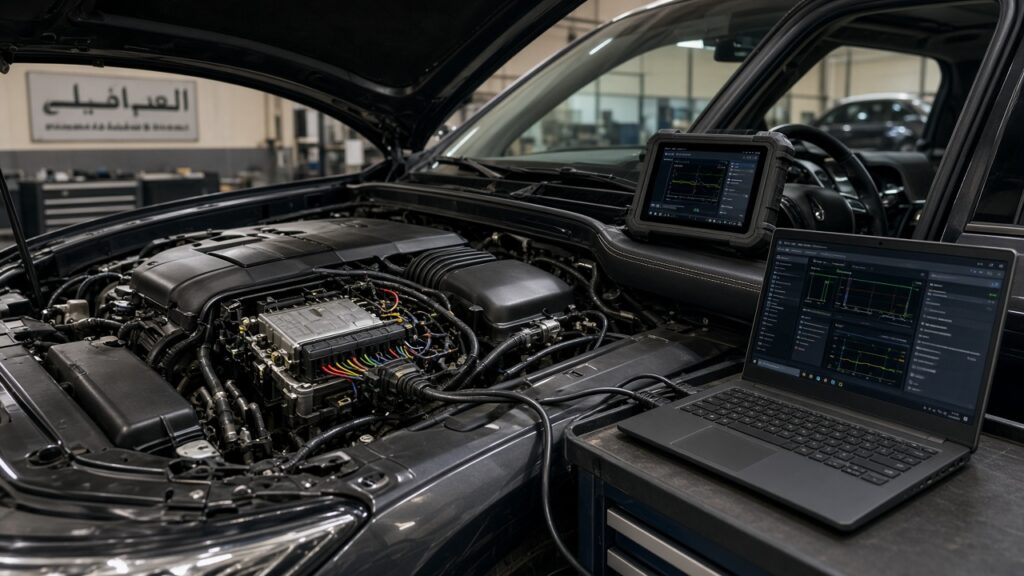
Your safety is paramount. If you experience any of these symptoms, it’s time to act. At Smart Garage, we utilize cutting-edge diagnostic tools to pinpoint the exact cause of any braking issue, from fluid contamination to electronic sensor faults.
Section 2: Engine Belts – The Unsung Heroes of Performance and Comfort
Deep within your engine bay, a set of durable rubber belts works tirelessly to power essential vehicle functions. While out of sight, their condition is vital. A sudden belt failure is a leading cause of roadside breakdowns—a scenario that can be particularly dangerous during the peak of a Dubai summer.
The Two Critical Belts You Need to Know
- The Serpentine Belt: This is a long, snaking belt that powers multiple crucial accessories simultaneously. When it’s running properly, your alternator charges the battery, your power steering pump makes turning effortless, and your air conditioning compressor keeps the cabin cool. If this single belt snaps, all of these systems fail at once, leaving you with a rapidly draining battery, difficult steering, and no A/C.
- The Timing Belt (or Chain): This is the most critical belt (or chain, in some engines) for your engine’s health. Its job is to perfectly synchronize the rotation of the crankshaft and the camshafts. This ensures the engine’s valves open and close at precisely the right moment for combustion to occur. A timing belt failure is catastrophic. The pistons can collide with the open valves, causing extensive and often irreparable engine damage that can cost thousands to fix.
Why Dubai’s Climate Is a Belt’s Worst Enemy
The primary enemy of rubber is heat. The engine bay of a car operating in Dubai is one of the hottest environments imaginable. This sustained, extreme heat accelerates the degradation of the rubber compounds in belts, causing them to dry out, lose flexibility, and become brittle much faster than in cooler climates. This premature aging dramatically increases the risk of cracking and sudden failure.
How to Spot a Belt That’s About to Fail
- Engine Noises: A persistent squealing or chirping sound from the engine, particularly when you start the car or turn on the A/C, is a classic sign of a worn or loose serpentine belt.
- Visual Inspection: Look for visible signs of wear on the belts. This includes cracks, fraying along the edges, a glazed or shiny appearance on the underside, or pieces of the belt’s ribs missing.
- Performance Issues: If your A/C isn’t as cold as it used to be, or if your headlights seem to dim at idle, it could be a sign that the serpentine belt is slipping and not powering the accessories effectively.
- The “Check Engine” Light: While it can indicate many issues, a problem with the timing belt’s tensioner or position sensors can trigger the check engine light.
Don’t leave it to chance. A professional inspection is the only way to be certain. As part of our General Maintenance & Repairs service, our technicians meticulously inspect the condition and tension of all engine belts.Schedule your preventative check-up and drive with confidence.

Section 3: The Smart Maintenance Schedule for Dubai Drivers
Understanding the “what” and “why” is important, but knowing “when” is what puts you in control. A proactive maintenance schedule is the most effective way to manage your vehicle’s health.
Minor Service (Every 10,000 – 15,000 km)
This is your vehicle’s regular check-up. It’s designed to handle the most common wear-and-tear items and catch small problems before they become big ones. A typical Minor Service includes an oil and filter change, but crucially, it should also involve a thorough inspection of your brakes and a visual check of the belts. This is the perfect opportunity to have a professional eye assess these critical components.
Major Service (Every 30,000 – 40,000 km)
This is a comprehensive, deep-dive inspection of your vehicle. It includes everything from a Minor Service, plus more in-depth checks of the transmission, suspension, and fuel system. A Major Service is typically when items like spark plugs and filters are replaced. It is also the ideal time for a more rigorous inspection of the timing belt and serpentine belt, with replacement often recommended at these intervals depending on the manufacturer’s guidelines.
Your Partner in Proactive Car Care
In a city that demands the best from your vehicle, a reactive “fix it when it breaks” approach is a recipe for stress, unexpected expenses, and dangerous situations. A smart, proactive maintenance strategy is the only way to ensure your car remains reliable, safe, and enjoyable to drive.
At Smart Garage, we combine our 20 years of experience with the latest diagnostic technology to offer a level of service you can trust. We believe in transparency, quality, and empowering our customers with knowledge. Whether you need a routine inspection, are concerned about a strange noise, or want to schedule a comprehensive major service, our team is here to help.
Ready to experience the peace of mind that comes with expert car care? Contact Smart Garage today to book your service and ensure your vehicle is prepared for everything the Dubai roads have to offer.