Home About Services Brands Blog Contact
February 01, 2026 • Engine Services

Basic Engine Service: What Your Vehicle Is Actually Telling You

There’s a peculiar relationship between drivers and their vehicles that often goes unnoticed until something goes wrong. We sit behind the wheel day after day, navigating through traffic, climate extremes, and demanding road conditions, yet rarely pause to consider the intricate symphony of mechanical processes happening beneath the hood. Your vehicle communicates constantly through sounds, vibrations, performance changes, and dashboard signals, but the real question is whether we’re truly paying attention to what it’s trying to tell us.

The modern automobile represents one of humanity’s most complex everyday machines, comprising thousands of components working in perfect harmony. When that harmony breaks down, the consequences ripple through every aspect of vehicle performance. Understanding this relationship transforms vehicle ownership from a simple point-of-transportation arrangement into something far more meaningful and economically sensible. The sophistication embedded in today’s powertrains demands a level of attention and care that goes far beyond simply adding fuel and changing oil when a reminder light appears.

Vehicle ownership in demanding climates presents unique challenges that accelerate wear patterns and stress mechanical systems in ways that manufacturers’ standard maintenance schedules may not fully address. The interplay between environmental factors, driving patterns, and component longevity creates a complex equation that requires both awareness and proactive intervention to solve effectively.

The Hidden Language of Mechanical Distress

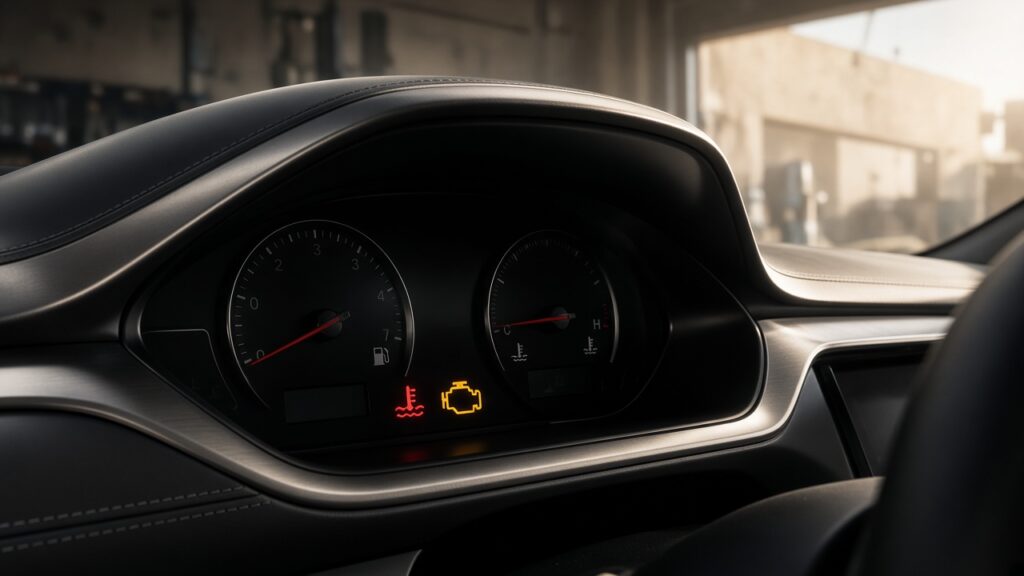
Every vehicle develops its own personality over time, a unique combination of sounds and behaviors that become familiar to attentive owners. That slight hesitation during acceleration that you’ve been ignoring for weeks might seem insignificant, but it could be your vehicle’s first attempt at warning you about a developing issue. The faint ticking sound that appears only when the engine is cold, the subtle vibration that emerges at specific speeds, or the dashboard light that flickers occasionally before disappearing—these aren’t random occurrences but deliberate signals from sophisticated monitoring systems designed to protect your investment.

Modern vehicles employ dozens of sensors constantly measuring temperature, pressure, flow rates, and electrical signals throughout the powertrain and chassis systems. These sensors feed information to onboard computers that compare real-time data against programmed parameters. When values drift outside acceptable ranges, warning systems activate. Ignoring these early warnings often transforms minor adjustments into major reconstruction projects, turning what could have been a straightforward service appointment into a financial burden that could have been entirely preventable.

The challenge lies in distinguishing between normal operational characteristics and genuine distress signals. A cold engine naturally sounds different from a warm one. Turbochargers create specific whistling sounds under boost. Diesel engines clatter in ways that would concern gasoline vehicle owners but represent completely normal combustion characteristics. This is where specialized knowledge becomes invaluable, transforming ambiguous symptoms into actionable diagnostic information.

Understanding these communication patterns requires experience with specific vehicle platforms and familiarity with their unique characteristics. What represents a serious concern in one engine design might be completely normal in another. The complexity of modern automotive engineering means that accurate interpretation of vehicle behavior demands both technical knowledge and hands-on experience with particular makes and models.

Why Generic Solutions Fail Premium Machinery

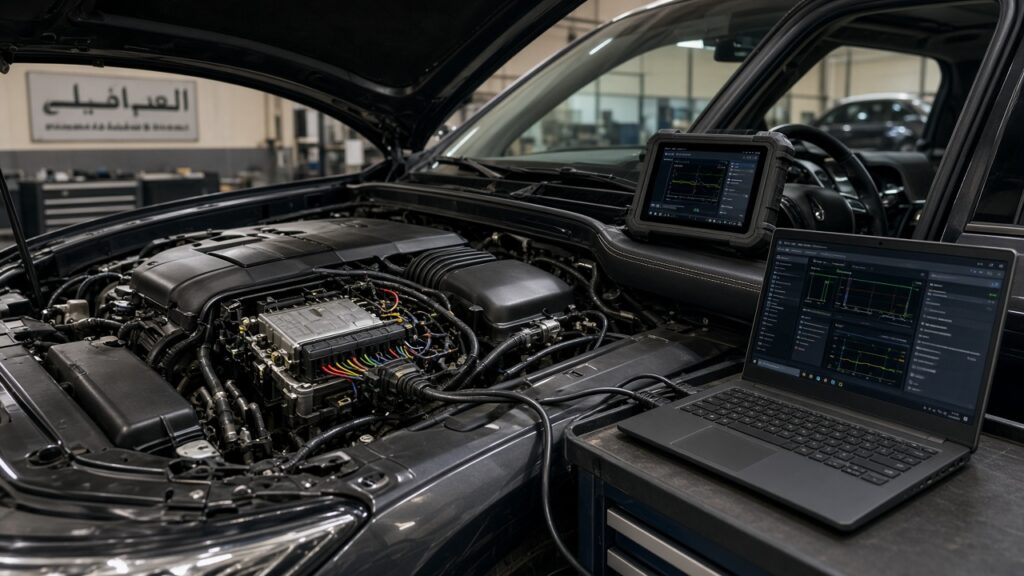
Walk into any general repair facility with a luxury or high-performance vehicle, and you’ll quickly discover a fundamental mismatch between the vehicle’s engineering sophistication and the workshop’s diagnostic capabilities. These establishments often rely on universal diagnostic scanners that can read basic fault codes but lack the depth to access manufacturer-specific systems, perform component activations, or execute the guided diagnostic routines that pinpoint elusive issues.

Consider the electrical architecture of a contemporary luxury vehicle. Where conventional cars might use a single control module, premium marques employ dozens of networked computers managing everything from adaptive suspension damping to predictive transmission shift strategies. These systems communicate across dedicated data buses using proprietary protocols. When faults develop, they often leave digital footprints scattered across multiple modules, creating complex patterns that generic tools simply cannot interpret.

The parts equation further complicates matters. Aftermarket components might physically fit and initially function, but they often lack the precise engineering tolerances and material specifications that original equipment demands. A fuel injector that seems identical might spray fuel in a slightly different pattern, affecting combustion efficiency and long-term engine health. A brake pad compound that works adequately in a standard vehicle might fade dangerously when subjected to the thermal demands of a high-performance braking system during spirited driving or emergency stops.

Material science plays a crucial role in component longevity that generic replacements frequently overlook. Original equipment manufacturers invest millions in developing alloys, composites, and coatings optimized for specific applications. A timing belt made from inferior rubber compounds might initially perform identically to the genuine article but deteriorate rapidly under sustained thermal stress, potentially causing catastrophic engine damage when it fails prematurely.

The True Cost of Deferred Maintenance

There’s a common misconception that postponing maintenance saves money, but the mathematics of mechanical deterioration tells a different story. Engine oil doesn’t suddenly stop protecting components the day after its recommended change interval, but its protective additives gradually deplete while contamination levels rise. This creates an accelerating degradation curve where each additional kilometer of operation causes exponentially more wear than the previous one.

Take timing chain systems as an example. These critical components operate in an environment of extreme stress, with metal links flexing thousands of times per minute while maintaining precise valve timing. When lubrication quality degrades or tensioner mechanisms wear, the chain begins stretching microscopically with each revolution. Initially, the engine’s variable valve timing system compensates, masking the developing problem. But eventually, the system reaches its adjustment limits, and suddenly what seemed like a perfectly functioning engine begins misfiring, losing power, and potentially suffering catastrophic internal damage if the chain jumps timing or breaks.
The financial impact extends beyond immediate repair costs. A vehicle with documented maintenance history commands significantly higher resale values than mechanically identical examples with incomplete service records. Prospective buyers and dealers know that consistent care indicates responsible ownership and reduces their risk of inheriting deferred problems. That maintenance investment you make today directly translates into retained equity when the time comes to sell or trade.

Insurance considerations also enter the equation for high-value vehicles. Some policies require documented maintenance compliance to honor mechanical breakdown coverage. Gaps in service records could provide insurers with grounds to deny claims for failures that might have been prevented through proper maintenance, leaving owners facing five-figure repair bills without recourse.

Engineering Complexity Demands Specialized Expertise

Modern powertrains represent engineering marvels that would have seemed impossible just decades ago. Turbocharged engines producing over one hundred horsepower per liter while meeting stringent emissions standards, hybrid systems seamlessly blending electric and combustion power, and dual-clutch transmissions executing gear changes in milliseconds—these technologies require deep understanding that extends far beyond mechanical aptitude. When issues arise with car engine repair in Sharjah, the difference between a correct diagnosis and expensive trial-and-error becomes critically important for owners who value both their time and their vehicles’ long-term reliability.

Diagnostic excellence begins with proper tooling. Manufacturer-specific diagnostic platforms cost tens of thousands of dollars and require regular subscription updates, representing a substantial investment that only serious workshops make. These systems provide access to detailed component testing procedures, wiring diagrams, technical service bulletins documenting known issues and solutions, and the ability to perform module coding and programming that generic tools cannot accomplish.

But tools alone don’t solve problems—experience and continuous education separate competent technicians from true specialists. Manufacturers constantly evolve their technologies, introducing new systems and refining existing ones. The technician who last worked on a particular engine family five years ago might be unfamiliar with crucial changes in control strategies or component designs. Ongoing training programs, manufacturer certifications, and regular exposure to the latest model variations create the knowledge foundation necessary for efficient, accurate diagnostics.

The complexity extends into software and calibration domains that many workshops never encounter. Modern engines rely on precisely calibrated fuel maps, ignition timing curves, and variable valve timing strategies stored in electronic control modules. When components are replaced or systems modified, these calibrations often require updates or adaptations that demand manufacturer-level diagnostic access and understanding of how changes propagate through interconnected systems.

Prevention Versus Intervention Philosophy

The automotive industry has witnessed a fundamental shift in maintenance philosophy over recent decades. Where older vehicles required frequent attention to maintain basic functionality, modern engineering focuses on extended service intervals and improved component longevity. This creates both opportunities and risks. The opportunity lies in reduced maintenance frequency and lower long-term ownership costs for those who follow recommended schedules. The risk emerges when owners interpret “extended intervals” as “minimal maintenance required,” leading to neglect of essential services.

Cooling systems exemplify this evolution. Contemporary antifreeze formulations can last five years or more, compared to the annual changes older vehicles required. However, this extended interval assumes the system remains properly sealed and contamination-free. A minor coolant leak that allows air infiltration or a failing water pump introducing metal particles can rapidly degrade even the finest coolant, yet the extended service interval might lull owners into complacency until overheating damage occurs.

Preventive maintenance programs address this challenge by combining time-based and condition-based service approaches. Rather than simply following mileage intervals, comprehensive inspections assess actual component condition, identifying developing issues before they cause failures. This might include borescope inspections of engine internals, oil analysis revealing wear patterns, and systematic examination of rubber components subject to thermal degradation in harsh climates.

The preventive approach particularly matters for vehicles operating in extreme conditions. High ambient temperatures accelerate fluid degradation, increase thermal stress on electrical components, and cause rubber seals and hoses to age faster than in temperate climates. Standard maintenance intervals developed for global markets may prove inadequate for vehicles operating year-round in desert environments where summer temperatures regularly exceed forty degrees Celsius.

The Environmental Impact of Proper Maintenance

Sustainability conversations often focus on vehicle choice—electric versus hybrid versus efficient combustion—but maintenance practices significantly impact environmental footprints regardless of propulsion type. A poorly maintained engine consumes more fuel and produces higher emissions than its properly serviced counterpart. Degraded oxygen sensors, restricted air filters, and incorrect fuel mixture calibrations can increase fuel consumption by ten percent or more while simultaneously elevating harmful emissions.

The environmental benefits extend beyond operational efficiency. Premature component failures generate waste that could have been avoided through proper care. An engine requiring complete replacement due to neglected oil changes creates substantially more environmental impact than the routine maintenance that would have prevented the failure. Manufacturing replacement engines demands raw materials, energy-intensive production processes, and transportation resources, all of which could have been avoided through appropriate care of the original unit.

Climate considerations become particularly relevant in regions experiencing extreme temperatures. The UAE’s intense heat accelerates fluid degradation, battery stress, and rubber component aging at rates that would shock owners in temperate climates. What might represent minor concerns in moderate environments become critical issues when ambient temperatures regularly exceed forty degrees Celsius. This reality demands heightened attention to maintenance schedules and component condition monitoring.

Responsible disposal of automotive fluids and components also contributes to environmental stewardship. Professional service facilities implement proper collection, recycling, and disposal procedures for engine oil, coolant, brake fluid, and worn components. These established channels prevent environmental contamination while recovering valuable materials for reprocessing, creating circular economy benefits that DIY maintenance approaches often cannot match.
Technology Integration Transforming Service Experience

The relationship between service providers and vehicle owners has evolved dramatically through technology adoption. Where owners once relied entirely on workshop communications about necessary repairs, modern diagnostic capabilities enable transparent, detailed explanations of issues and recommended solutions. High-resolution imaging systems can document wear conditions, allowing owners to see precisely what technicians observe during inspections. Diagnostic reports can be shared digitally, providing permanent records of vehicle health status and performed services.

This transparency builds trust while empowering owners to make informed decisions about their vehicles. Rather than accepting repair recommendations on faith, owners can review actual evidence of component conditions and understand the reasoning behind suggested services. This informed approach to vehicle care creates partnerships between owners and service providers rather than the traditional dynamic where owners felt dependent on workshop expertise without ability to verify recommendations.

Digital service records create additional value through comprehensive vehicle history documentation. Every service, repair, and diagnostic session generates permanent records that follow the vehicle throughout its life. This documentation proves invaluable during resale, provides valuable reference information for future diagnostics, and helps identify patterns that might indicate underlying issues requiring attention beyond immediate symptoms.

Remote diagnostics capabilities now allow preliminary assessments before vehicles even arrive at workshops. Some advanced systems enable technicians to review diagnostic data, examine fault codes, and even monitor live sensor readings remotely, streamlining the diagnostic process and potentially identifying issues that would benefit from immediate attention versus those that can wait for scheduled service appointments.

Recognizing True Expertise in a Crowded Market

Distinguishing genuinely qualified service providers from those making impressive claims requires understanding what separates competent workshops from exceptional ones. Manufacturer certification programs exist but vary significantly in rigor and relevance. Some certifications require extensive training and regular recertification, while others amount to little more than business agreements. The presence of appropriate diagnostic equipment provides more reliable indication of serious commitment to quality service.

Workshop investment in manufacturer-specific diagnostic platforms signals dedication to proper service delivery. These systems cost substantially more than generic alternatives, require ongoing subscription fees, and demand continuous training for effective use. Workshops making this investment clearly prioritize diagnostic accuracy over short-term profit maximization. Similarly, organized tool storage, clean work environments, and systematic documentation processes indicate professional operations where attention to detail extends beyond mechanical work to encompass all aspects of service delivery.

Customer feedback patterns provide additional insight into service quality, but require careful interpretation. Numerous positive reviews spanning extended time periods suggest consistent service delivery rather than temporary quality spikes. Look for feedback addressing diagnostic accuracy, transparency, and whether initial repair estimates proved accurate upon completion—these factors reveal more about genuine expertise than generic praise about friendly service or comfortable waiting areas.

Professional workshops also maintain relationships with parts suppliers that ensure genuine component availability. The ability to source correct parts quickly prevents extended downtime while avoiding the quality compromises that come with substituting inferior alternatives simply because they’re available locally. These supplier relationships represent years of established business connections that newer or less serious operations cannot replicate.

Understanding Warranty Implications and Service Requirements

New vehicle warranties create obligations that many owners misunderstand, potentially voiding coverage through well-intentioned but improper maintenance decisions. Manufacturer warranties don’t require dealership service exclusively, but they do mandate that maintenance meets specific standards using appropriate parts and procedures. This distinction matters significantly when considering service options during warranty periods.

Independent workshops equipped with proper diagnostic tools and using genuine or approved-equivalent parts can perform warranty-compliant maintenance while often providing more personalized service and competitive pricing compared to dealership alternatives. However, documentation becomes critical. Service records must clearly demonstrate that all required maintenance occurred according to schedule using appropriate materials and procedures. Incomplete or ambiguous documentation could provide manufacturers grounds for warranty denial if major component failures occur.

Extended warranty programs and service contracts add another layer of complexity to maintenance decisions. These programs often specify approved service providers, required notification procedures before major repairs, and documentation standards that must be met for claim approval. Understanding these requirements before service needs arise prevents situations where otherwise legitimate repairs face coverage denial due to procedural issues rather than actual exclusions.

The interaction between warranty coverage and maintenance history extends into certified pre-owned programs. Vehicles with complete, documented maintenance histories from recognized service providers command premium prices in certified pre-owned markets because they meet the stringent requirements these programs demand. This premium often exceeds the incremental cost of choosing qualified service providers over budget alternatives, creating tangible financial returns on maintenance quality decisions.

Building Long-Term Relationships With Service Providers

Establishing consistent relationships with knowledgeable service providers creates advantages that extend well beyond individual service appointments. Technicians familiar with your vehicle’s history can recognize developing patterns that might escape notice during isolated service visits. They understand how the vehicle has been maintained, what repairs have been performed, and which components might be approaching end-of-life based on age and usage patterns.

This continuity enables proactive maintenance planning rather than reactive crisis management. Instead of facing unexpected failures, you receive advance warning of developing issues with time to plan repairs around your schedule and budget. The financial and convenience benefits of this approach compound over years of ownership, transforming vehicle maintenance from unpredictable disruption into manageable, planned activity.

Long-term relationships also facilitate honest conversations about vehicle condition and future prospects. A trusted service provider can offer objective assessment of whether expensive repairs make sense given a vehicle’s overall condition and market value, or whether resources might be better allocated toward replacement. This guidance proves invaluable for major decision points that every vehicle owner eventually faces.

Conclusion

The relationship between vehicle owners and their machines has never been more complex or more consequential. Modern automobiles represent substantial financial investments whose longevity and reliability depend almost entirely on maintenance quality and consistency. The sophistication of contemporary automotive engineering demands specialized knowledge, appropriate diagnostic equipment, and commitment to using proper parts and procedures—requirements that separate genuinely qualified service providers from those offering convenient but ultimately inadequate solutions.

Understanding your vehicle’s needs, recognizing early warning signs of developing issues, and partnering with service providers who possess both proper equipment and genuine expertise transforms vehicle ownership from a source of anxiety into a rewarding experience. The costs of proper maintenance pale in comparison to the expenses of addressing failures that could have been prevented through appropriate care. More importantly, consistent maintenance preserves safety, reliability, and resale value while minimizing environmental impact through improved efficiency and extended vehicle life.

Your vehicle speaks constantly through its behavior, sounds, and monitoring systems. The question isn’t whether it’s communicating—it’s whether you’re listening and taking appropriate action. In an environment as demanding as the UAE’s climate presents, this attention to mechanical health becomes not just prudent but essential for anyone who values their investment and depends on reliable transportation. The choices you make today regarding maintenance quality, service provider selection, and responsiveness to developing issues will determine your vehicle’s performance, reliability, and value for years to come.

Excellence in automotive care begins with recognition that vehicles deserve the same quality of attention we provide to other valuable assets. By investing in proper diagnostics, using qualified service providers, and maintaining consistent service schedules adapted to local operating conditions, owners ensure their vehicles deliver the performance, efficiency, and dependability that justified their purchase decision. This commitment to quality care creates benefits that extend throughout the ownership experience and beyond, into resale values and the satisfaction of knowing that your vehicle receives the expert attention it deserves.


 Basic Engine Service: What Your Vehicle Is Actually Telling You

Basic Engine Service: What Your Vehicle Is Actually Telling You

There’s a peculiar relationship between drivers and their vehicles that often goes unnoticed until something goes wrong. We sit behind the wheel day after day, navigating through traffic, climate extremes, and demanding road conditions, yet rarely pause to consider the intricate symphony of mechanical processes happening beneath the hood. Your vehicle communicates constantly through sounds, vibrations, performance changes, and dashboard signals, but the real question is whether we’re truly paying attention to what it’s trying to tell us.

The modern automobile represents one of humanity’s most complex everyday machines, comprising thousands of components working in perfect harmony. When that harmony breaks down, the consequences ripple through every aspect of vehicle performance. Understanding this relationship transforms vehicle ownership from a simple point-of-transportation arrangement into something far more meaningful and economically sensible. The sophistication embedded in today’s powertrains demands a level of attention and care that goes far beyond simply adding fuel and changing oil when a reminder light appears.

Vehicle ownership in demanding climates presents unique challenges that accelerate wear patterns and stress mechanical systems in ways that manufacturers’ standard maintenance schedules may not fully address. The interplay between environmental factors, driving patterns, and component longevity creates a complex equation that requires both awareness and proactive intervention to solve effectively.

The Hidden Language of Mechanical Distress

Every vehicle develops its own personality over time, a unique combination of sounds and behaviors that become familiar to attentive owners. That slight hesitation during acceleration that you’ve been ignoring for weeks might seem insignificant, but it could be your vehicle’s first attempt at warning you about a developing issue. The faint ticking sound that appears only when the engine is cold, the subtle vibration that emerges at specific speeds, or the dashboard light that flickers occasionally before disappearing—these aren’t random occurrences but deliberate signals from sophisticated monitoring systems designed to protect your investment.

Modern vehicles employ dozens of sensors constantly measuring temperature, pressure, flow rates, and electrical signals throughout the powertrain and chassis systems. These sensors feed information to onboard computers that compare real-time data against programmed parameters. When values drift outside acceptable ranges, warning systems activate. Ignoring these early warnings often transforms minor adjustments into major reconstruction projects, turning what could have been a straightforward service appointment into a financial burden that could have been entirely preventable.

The challenge lies in distinguishing between normal operational characteristics and genuine distress signals. A cold engine naturally sounds different from a warm one. Turbochargers create specific whistling sounds under boost. Diesel engines clatter in ways that would concern gasoline vehicle owners but represent completely normal combustion characteristics. This is where specialized knowledge becomes invaluable, transforming ambiguous symptoms into actionable diagnostic information.

Understanding these communication patterns requires experience with specific vehicle platforms and familiarity with their unique characteristics. What represents a serious concern in one engine design might be completely normal in another. The complexity of modern automotive engineering means that accurate interpretation of vehicle behavior demands both technical knowledge and hands-on experience with particular makes and models.

Why Generic Solutions Fail Premium Machinery

Walk into any general repair facility with a luxury or high-performance vehicle, and you’ll quickly discover a fundamental mismatch between the vehicle’s engineering sophistication and the workshop’s diagnostic capabilities. These establishments often rely on universal diagnostic scanners that can read basic fault codes but lack the depth to access manufacturer-specific systems, perform component activations, or execute the guided diagnostic routines that pinpoint elusive issues.

Consider the electrical architecture of a contemporary luxury vehicle. Where conventional cars might use a single control module, premium marques employ dozens of networked computers managing everything from adaptive suspension damping to predictive transmission shift strategies. These systems communicate across dedicated data buses using proprietary protocols. When faults develop, they often leave digital footprints scattered across multiple modules, creating complex patterns that generic tools simply cannot interpret.

The parts equation further complicates matters. Aftermarket components might physically fit and initially function, but they often lack the precise engineering tolerances and material specifications that original equipment demands. A fuel injector that seems identical might spray fuel in a slightly different pattern, affecting combustion efficiency and long-term engine health. A brake pad compound that works adequately in a standard vehicle might fade dangerously when subjected to the thermal demands of a high-performance braking system during spirited driving or emergency stops.

Material science plays a crucial role in component longevity that generic replacements frequently overlook. Original equipment manufacturers invest millions in developing alloys, composites, and coatings optimized for specific applications. A timing belt made from inferior rubber compounds might initially perform identically to the genuine article but deteriorate rapidly under sustained thermal stress, potentially causing catastrophic engine damage when it fails prematurely.

The True Cost of Deferred Maintenance

There’s a common misconception that postponing maintenance saves money, but the mathematics of mechanical deterioration tells a different story. Engine oil doesn’t suddenly stop protecting components the day after its recommended change interval, but its protective additives gradually deplete while contamination levels rise. This creates an accelerating degradation curve where each additional kilometer of operation causes exponentially more wear than the previous one.

Take timing chain systems as an example. These critical components operate in an environment of extreme stress, with metal links flexing thousands of times per minute while maintaining precise valve timing. When lubrication quality degrades or tensioner mechanisms wear, the chain begins stretching microscopically with each revolution. Initially, the engine’s variable valve timing system compensates, masking the developing problem. But eventually, the system reaches its adjustment limits, and suddenly what seemed like a perfectly functioning engine begins misfiring, losing power, and potentially suffering catastrophic internal damage if the chain jumps timing or breaks.

The financial impact extends beyond immediate repair costs. A vehicle with documented maintenance history commands significantly higher resale values than mechanically identical examples with incomplete service records. Prospective buyers and dealers know that consistent care indicates responsible ownership and reduces their risk of inheriting deferred problems. That maintenance investment you make today directly translates into retained equity when the time comes to sell or trade.

Insurance considerations also enter the equation for high-value vehicles. Some policies require documented maintenance compliance to honor mechanical breakdown coverage. Gaps in service records could provide insurers with grounds to deny claims for failures that might have been prevented through proper maintenance, leaving owners facing five-figure repair bills without recourse.

Engineering Complexity Demands Specialized Expertise

Modern powertrains represent engineering marvels that would have seemed impossible just decades ago. Turbocharged engines producing over one hundred horsepower per liter while meeting stringent emissions standards, hybrid systems seamlessly blending electric and combustion power, and dual-clutch transmissions executing gear changes in milliseconds—these technologies require deep understanding that extends far beyond mechanical aptitude. When issues arise with car engine repair in Sharjah, the difference between a correct diagnosis and expensive trial-and-error becomes critically important for owners who value both their time and their vehicles’ long-term reliability.

Diagnostic excellence begins with proper tooling. Manufacturer-specific diagnostic platforms cost tens of thousands of dollars and require regular subscription updates, representing a substantial investment that only serious workshops make. These systems provide access to detailed component testing procedures, wiring diagrams, technical service bulletins documenting known issues and solutions, and the ability to perform module coding and programming that generic tools cannot accomplish.

But tools alone don’t solve problems—experience and continuous education separate competent technicians from true specialists. Manufacturers constantly evolve their technologies, introducing new systems and refining existing ones. The technician who last worked on a particular engine family five years ago might be unfamiliar with crucial changes in control strategies or component designs. Ongoing training programs, manufacturer certifications, and regular exposure to the latest model variations create the knowledge foundation necessary for efficient, accurate diagnostics.

The complexity extends into software and calibration domains that many workshops never encounter. Modern engines rely on precisely calibrated fuel maps, ignition timing curves, and variable valve timing strategies stored in electronic control modules. When components are replaced or systems modified, these calibrations often require updates or adaptations that demand manufacturer-level diagnostic access and understanding of how changes propagate through interconnected systems.

Prevention Versus Intervention Philosophy

The automotive industry has witnessed a fundamental shift in maintenance philosophy over recent decades. Where older vehicles required frequent attention to maintain basic functionality, modern engineering focuses on extended service intervals and improved component longevity. This creates both opportunities and risks. The opportunity lies in reduced maintenance frequency and lower long-term ownership costs for those who follow recommended schedules. The risk emerges when owners interpret “extended intervals” as “minimal maintenance required,” leading to neglect of essential services.

Cooling systems exemplify this evolution. Contemporary antifreeze formulations can last five years or more, compared to the annual changes older vehicles required. However, this extended interval assumes the system remains properly sealed and contamination-free. A minor coolant leak that allows air infiltration or a failing water pump introducing metal particles can rapidly degrade even the finest coolant, yet the extended service interval might lull owners into complacency until overheating damage occurs.

Preventive maintenance programs address this challenge by combining time-based and condition-based service approaches. Rather than simply following mileage intervals, comprehensive inspections assess actual component condition, identifying developing issues before they cause failures. This might include borescope inspections of engine internals, oil analysis revealing wear patterns, and systematic examination of rubber components subject to thermal degradation in harsh climates.

The preventive approach particularly matters for vehicles operating in extreme conditions. High ambient temperatures accelerate fluid degradation, increase thermal stress on electrical components, and cause rubber seals and hoses to age faster than in temperate climates. Standard maintenance intervals developed for global markets may prove inadequate for vehicles operating year-round in desert environments where summer temperatures regularly exceed forty degrees Celsius.

The Environmental Impact of Proper Maintenance

Sustainability conversations often focus on vehicle choice—electric versus hybrid versus efficient combustion—but maintenance practices significantly impact environmental footprints regardless of propulsion type. A poorly maintained engine consumes more fuel and produces higher emissions than its properly serviced counterpart. Degraded oxygen sensors, restricted air filters, and incorrect fuel mixture calibrations can increase fuel consumption by ten percent or more while simultaneously elevating harmful emissions.

The environmental benefits extend beyond operational efficiency. Premature component failures generate waste that could have been avoided through proper care. An engine requiring complete replacement due to neglected oil changes creates substantially more environmental impact than the routine maintenance that would have prevented the failure. Manufacturing replacement engines demands raw materials, energy-intensive production processes, and transportation resources, all of which could have been avoided through appropriate care of the original unit.

Climate considerations become particularly relevant in regions experiencing extreme temperatures. The UAE’s intense heat accelerates fluid degradation, battery stress, and rubber component aging at rates that would shock owners in temperate climates. What might represent minor concerns in moderate environments become critical issues when ambient temperatures regularly exceed forty degrees Celsius. This reality demands heightened attention to maintenance schedules and component condition monitoring.

Responsible disposal of automotive fluids and components also contributes to environmental stewardship. Professional service facilities implement proper collection, recycling, and disposal procedures for engine oil, coolant, brake fluid, and worn components. These established channels prevent environmental contamination while recovering valuable materials for reprocessing, creating circular economy benefits that DIY maintenance approaches often cannot match.

Technology Integration Transforming Service Experience

The relationship between service providers and vehicle owners has evolved dramatically through technology adoption. Where owners once relied entirely on workshop communications about necessary repairs, modern diagnostic capabilities enable transparent, detailed explanations of issues and recommended solutions. High-resolution imaging systems can document wear conditions, allowing owners to see precisely what technicians observe during inspections. Diagnostic reports can be shared digitally, providing permanent records of vehicle health status and performed services.

This transparency builds trust while empowering owners to make informed decisions about their vehicles. Rather than accepting repair recommendations on faith, owners can review actual evidence of component conditions and understand the reasoning behind suggested services. This informed approach to vehicle care creates partnerships between owners and service providers rather than the traditional dynamic where owners felt dependent on workshop expertise without ability to verify recommendations.

Digital service records create additional value through comprehensive vehicle history documentation. Every service, repair, and diagnostic session generates permanent records that follow the vehicle throughout its life. This documentation proves invaluable during resale, provides valuable reference information for future diagnostics, and helps identify patterns that might indicate underlying issues requiring attention beyond immediate symptoms.

Remote diagnostics capabilities now allow preliminary assessments before vehicles even arrive at workshops. Some advanced systems enable technicians to review diagnostic data, examine fault codes, and even monitor live sensor readings remotely, streamlining the diagnostic process and potentially identifying issues that would benefit from immediate attention versus those that can wait for scheduled service appointments.

Recognizing True Expertise in a Crowded Market

Distinguishing genuinely qualified service providers from those making impressive claims requires understanding what separates competent workshops from exceptional ones. Manufacturer certification programs exist but vary significantly in rigor and relevance. Some certifications require extensive training and regular recertification, while others amount to little more than business agreements. The presence of appropriate diagnostic equipment provides more reliable indication of serious commitment to quality service.

Workshop investment in manufacturer-specific diagnostic platforms signals dedication to proper service delivery. These systems cost substantially more than generic alternatives, require ongoing subscription fees, and demand continuous training for effective use. Workshops making this investment clearly prioritize diagnostic accuracy over short-term profit maximization. Similarly, organized tool storage, clean work environments, and systematic documentation processes indicate professional operations where attention to detail extends beyond mechanical work to encompass all aspects of service delivery.

Customer feedback patterns provide additional insight into service quality, but require careful interpretation. Numerous positive reviews spanning extended time periods suggest consistent service delivery rather than temporary quality spikes. Look for feedback addressing diagnostic accuracy, transparency, and whether initial repair estimates proved accurate upon completion—these factors reveal more about genuine expertise than generic praise about friendly service or comfortable waiting areas.

Professional workshops also maintain relationships with parts suppliers that ensure genuine component availability. The ability to source correct parts quickly prevents extended downtime while avoiding the quality compromises that come with substituting inferior alternatives simply because they’re available locally. These supplier relationships represent years of established business connections that newer or less serious operations cannot replicate.

Understanding Warranty Implications and Service Requirements

New vehicle warranties create obligations that many owners misunderstand, potentially voiding coverage through well-intentioned but improper maintenance decisions. Manufacturer warranties don’t require dealership service exclusively, but they do mandate that maintenance meets specific standards using appropriate parts and procedures. This distinction matters significantly when considering service options during warranty periods.

Independent workshops equipped with proper diagnostic tools and using genuine or approved-equivalent parts can perform warranty-compliant maintenance while often providing more personalized service and competitive pricing compared to dealership alternatives. However, documentation becomes critical. Service records must clearly demonstrate that all required maintenance occurred according to schedule using appropriate materials and procedures. Incomplete or ambiguous documentation could provide manufacturers grounds for warranty denial if major component failures occur.

Extended warranty programs and service contracts add another layer of complexity to maintenance decisions. These programs often specify approved service providers, required notification procedures before major repairs, and documentation standards that must be met for claim approval. Understanding these requirements before service needs arise prevents situations where otherwise legitimate repairs face coverage denial due to procedural issues rather than actual exclusions.

The interaction between warranty coverage and maintenance history extends into certified pre-owned programs. Vehicles with complete, documented maintenance histories from recognized service providers command premium prices in certified pre-owned markets because they meet the stringent requirements these programs demand. This premium often exceeds the incremental cost of choosing qualified service providers over budget alternatives, creating tangible financial returns on maintenance quality decisions.

Building Long-Term Relationships With Service Providers

Establishing consistent relationships with knowledgeable service providers creates advantages that extend well beyond individual service appointments. Technicians familiar with your vehicle’s history can recognize developing patterns that might escape notice during isolated service visits. They understand how the vehicle has been maintained, what repairs have been performed, and which components might be approaching end-of-life based on age and usage patterns.

This continuity enables proactive maintenance planning rather than reactive crisis management. Instead of facing unexpected failures, you receive advance warning of developing issues with time to plan repairs around your schedule and budget. The financial and convenience benefits of this approach compound over years of ownership, transforming vehicle maintenance from unpredictable disruption into manageable, planned activity.

Long-term relationships also facilitate honest conversations about vehicle condition and future prospects. A trusted service provider can offer objective assessment of whether expensive repairs make sense given a vehicle’s overall condition and market value, or whether resources might be better allocated toward replacement. This guidance proves invaluable for major decision points that every vehicle owner eventually faces.

Conclusion

The relationship between vehicle owners and their machines has never been more complex or more consequential. Modern automobiles represent substantial financial investments whose longevity and reliability depend almost entirely on maintenance quality and consistency. The sophistication of contemporary automotive engineering demands specialized knowledge, appropriate diagnostic equipment, and commitment to using proper parts and procedures—requirements that separate genuinely qualified service providers from those offering convenient but ultimately inadequate solutions.

Understanding your vehicle’s needs, recognizing early warning signs of developing issues, and partnering with service providers who possess both proper equipment and genuine expertise transforms vehicle ownership from a source of anxiety into a rewarding experience. The costs of proper maintenance pale in comparison to the expenses of addressing failures that could have been prevented through appropriate care. More importantly, consistent maintenance preserves safety, reliability, and resale value while minimizing environmental impact through improved efficiency and extended vehicle life.

Your vehicle speaks constantly through its behavior, sounds, and monitoring systems. The question isn’t whether it’s communicating—it’s whether you’re listening and taking appropriate action. In an environment as demanding as the UAE’s climate presents, this attention to mechanical health becomes not just prudent but essential for anyone who values their investment and depends on reliable transportation. The choices you make today regarding maintenance quality, service provider selection, and responsiveness to developing issues will determine your vehicle’s performance, reliability, and value for years to come.

Excellence in automotive care begins with recognition that vehicles deserve the same quality of attention we provide to other valuable assets. By investing in proper diagnostics, using qualified service providers, and maintaining consistent service schedules adapted to local operating conditions, owners ensure their vehicles deliver the performance, efficiency, and dependability that justified their purchase decision. This commitment to quality care creates benefits that extend throughout the ownership experience and beyond, into resale values and the satisfaction of knowing that your vehicle receives the expert attention it deserves.


Leave a Reply

Your email address will not be published. Required fields are marked *

Smart Garage
Service Advisor
Online
Smart Garage
Hello! How can we help you with your car today? 👋
Just now
1