Home About Services Brands Blog Contact
January 05, 2026 • battery services

The Hidden Language of Performance: Why Your BMW Needs Specialized Diagnostics (Not Generic Scanners)

Owning a BMW is an experience defined by precision, luxury, and the sheer joy of the “Ultimate Driving Machine.” These vehicles are marvels of modern engineering, blending high-performance mechanical components with sophisticated software ecosystems. However, when a warning light flickers on the dashboard, many owners face a critical decision: head to the nearest auto parts store for a free generic scan or seek out a specialist with dedicated BMW diagnostic tools.

While a generic scanner might seem like a cost-effective and convenient solution, relying on one for a BMW is akin to trying to perform surgery with a first-aid kit. It might identify the surface symptoms, but it completely misses the underlying complexities. To maintain the integrity, performance, and longevity of your vehicle, understanding why specialized diagnostics are non-negotiable is essential.

The Digital Nervous System of a BMW

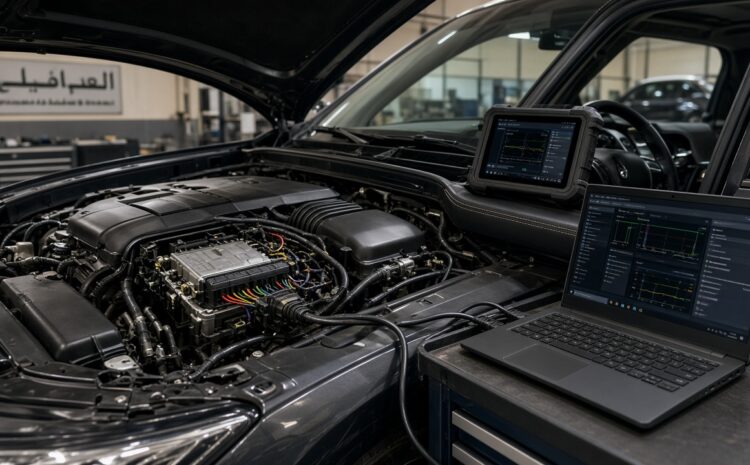
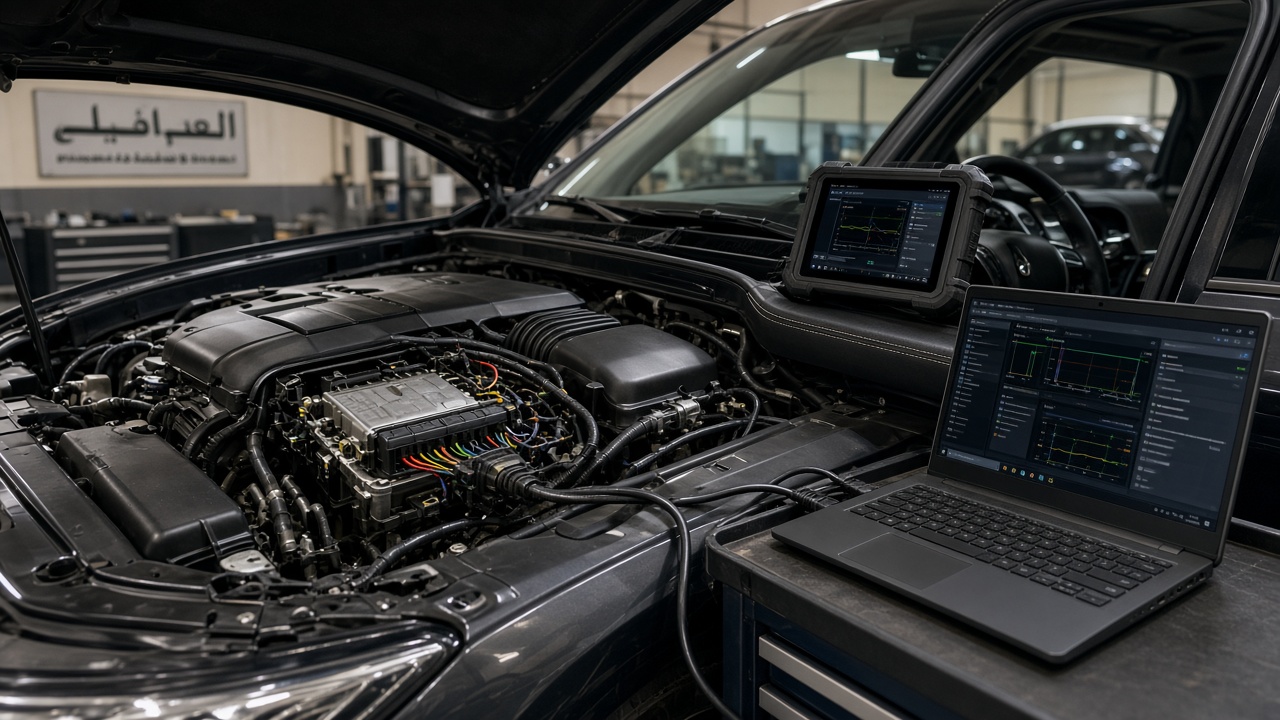
To understand why generic tools fail, one must first appreciate what is happening under the hood of a modern BMW. Unlike cars from thirty years ago, which were primarily mechanical, a modern BMW is essentially a rolling supercomputer. It does not rely on a single computer; rather, it utilizes a complex network of Electronic Control Units (ECUs). Depending on the model, a typical 3 Series or X5 may have anywhere from 40 to over 70 distinct control modules.

These modules control everything from engine timing (DME/DDE) and transmission shifting (EGS) to the infotainment system, climate control, and even the angle of your headlights. They communicate with each other through high-speed data networks known as CAN bus (Controller Area Network) and FlexRay systems. When a fault occurs, it is rarely an isolated incident. A transmission issue might actually be caused by a faulty wheel speed sensor communicating incorrect data to the traction control module. Specialized diagnostics are the only tools capable of “listening” to this entire conversation, whereas generic scanners are often deaf to everything outside of basic emissions data.

The Limitations of Generic OBD-II Scanners

The On-Board Diagnostics II (OBD-II) standard was mandated in the mid-1990s to ensure all cars could report emissions-related faults. This is the language generic scanners speak. They are designed to be universal, meaning a $20 scanner can plug into a Ford, a Toyota, or a BMW and read the same basic “P-codes” (Powertrain codes). However, BMW’s internal language is far more complex than the federally mandated standard.

When you rely on these basic tools, you are getting a watered-down translation of the problem. A generic scanner might tell you that you have a “Cylinder Misfire.” It gives you the what, but rarely the why. It cannot read the proprietary manufacturer codes that provide context. Furthermore, when it comes to General Maintenance & Repairs, attempting to fix a complex German vehicle based on generic data is a recipe for expensive parts-swapping rather than precise problem-solving. A generic tool might lead you to replace spark plugs and coils, ignoring the fact that a specialized tool would have identified a deeper issue with the Valvetronic system or a vacuum leak in the crankcase ventilation, saving you hundreds of dollars in unnecessary parts.

Shadow Codes: The Ghost in the Machine

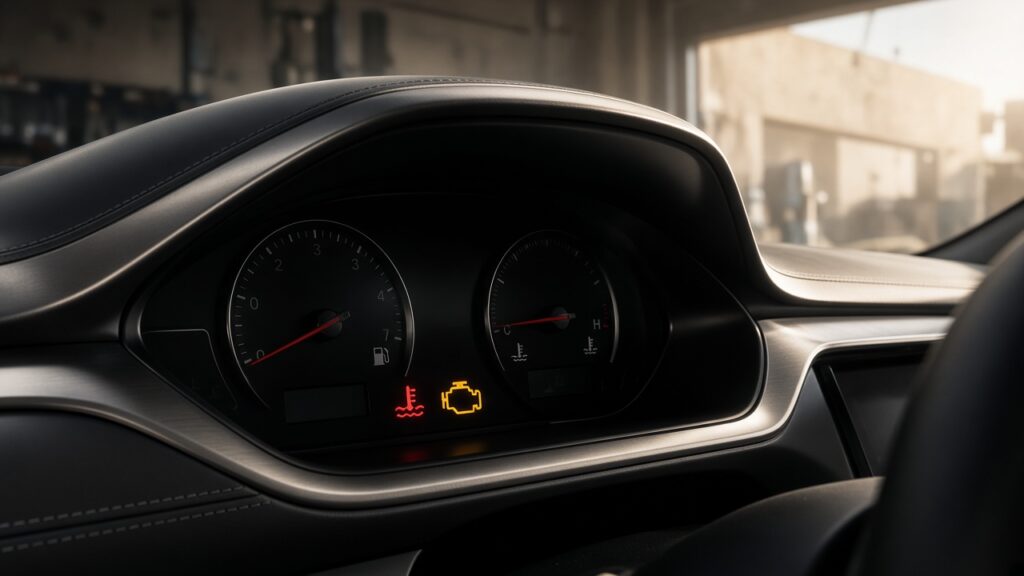
One of the most profound differences between generic and specialized diagnostics is the ability to read “Shadow Codes” (or inactive codes). Generic scanners usually only display “hard” faults issues that are currently active and have triggered the Check Engine Light (CEL).

However, BMW computers are incredibly smart. They log historical data and intermittent glitches that haven’t yet triggered a warning light. These are known as shadow codes. For example, a fuel pump might be showing early signs of voltage irregularity. A specialized scanner, such as those using BMW’s ISTA (Integrated Service Technical Application) software or high-end aftermarket equivalents like Autologic, can see these shadow codes.

This predictive capability allows a technician to address a failing component before it leaves you stranded on the side of the highway. It changes the maintenance philosophy from reactive repairs to proactive care, ensuring the car remains reliable.
Bi-Directional Control: Talking Back to the Car

Generic scanners are “read-only” devices. They can pull a code and perhaps show you a snapshot of data (freeze frame) from the moment the error occurred. Specialized BMW diagnostics, on the other hand, are “bi-directional.” This means they can send commands to the car, not just receive data from it.

This capability is vital for accurate diagnosis. Suppose your air conditioning stops blowing cold air. A generic scanner might show no codes because the electrical circuit is technically intact. A specialist using a bi-directional tool can manually command the A/C compressor clutch to engage or command the blend doors to move.

If the component responds to the computer command but not the button on the dash, the technician instantly knows the issue lies in the control module or the switch, not the expensive compressor. Without this active testing capability, mechanics are often forced to guess, leading to the infamous “parts cannon” approach where components are replaced until the problem accidentally goes away.

The Necessity of “Coding” and Adaptation

In the world of BMW, replacing a part is rarely a “plug and play” affair. This is where specialized diagnostics become absolutely mandatory. Modern BMWs require “coding” or “adaptation” resets whenever certain electrical or mechanical components are replaced.

Battery Registration

A prime example is the battery. You cannot simply swap an old battery for a new one in a modern BMW. The car uses an Intelligent Battery Sensor (IBS) to monitor the age and health of the battery, adjusting the alternator’s charging rate as the battery degrades. If you do not “register” the new battery using a specialized diagnostic tool, the alternator will continue to charge the fresh battery as if it were the old, dying one. This can significantly shorten the life of the new battery and even damage the alternator or electrical system.

Fuel Injector Coding

Direct injection engines require extreme precision. Each fuel injector has a specific flow rate tolerance manufactured into it. When an injector is replaced, the specific calibration values stamped on the new injector must be programmed into the Engine Control Unit (DME). Without this specialized coding, the engine may run roughly, suffer from poor fuel economy, or fail emissions tests.

Transmission Adaptations

As a transmission wears, the computer adjusts the internal pressures to ensure smooth shifts. If you change the transmission fluid or replace a solenoid, these “adaptation values” must be reset so the computer can learn the new baseline. Generic scanners simply do not have the software architecture to perform these critical reset functions.

Detailed Live Data and Component Monitoring

While some advanced consumer scanners can show “Live Data” (real-time readouts of RPM, temperature, etc.), they lack the granularity required for BMW diagnostics. A specialized tool allows a technician to view data streams that are specific to German engineering.

For instance, diagnosing a VANOS (Variable Camshaft Timing) issue requires looking at the “commanded position” versus the “actual position” of the camshafts in real-time. If the actual position lags behind the commanded position by a few degrees, it indicates a solenoid failure or oil pressure issue. Generic data streams often update too slowly or lack the specific parameter IDs (PIDs) to show this detailed relationship, leading to misdiagnosis of timing chain issues when a simple solenoid cleaning might have sufficed.

The Economic Reality: Saving Money by Spending on Diagnostics

There is a common misconception that taking a car to a specialist with high-end diagnostic equipment is an unnecessary expense. Owners often feel that paying a diagnostic fee is a waste of money if they can get the code read for free at a parts store. This is a false economy.

The cost of a proper diagnosis is almost always lower than the cost of a single wrong repair. Consider a scenario where a generic scanner indicates a “Lean Condition” (P0171). A DIYer or general mechanic might assume the O2 sensor is bad and replace it ($150 part + labor). When the light comes back on, they might replace the Mass Air Flow sensor ($250 part + labor).

A BMW specialist using a smoke machine and a specialized scanner could view the “fuel trim” values in real-time and identify that the issue is actually a cracked PCV breather hose a $40 part. The specialized diagnosis pinpoints the root cause immediately, whereas the generic approach results in hundreds of dollars of wasted parts and frustration.

Conclusion: Respecting the Engineering

BMWs are designed to operate within tight tolerances. They deliver exceptional performance because every system is monitored and managed by advanced software. Reducing this complex ecosystem to a simple four-digit generic code is an insult to the engineering of the vehicle and a risk to your wallet.

Whether you drive a vintage E46 3 Series or the latest G20, the health of your vehicle depends on the quality of the conversation you have with its computers. Generic scanners offer a monologue a vague summary of the car’s complaints. Specialized diagnostics offer a dialogue a deep, two-way communication that allows for precise identification, testing, and calibration of the vehicle’s systems.

For the longevity of your investment and the safety of your drive, always prioritize specialized diagnostics. It is the difference between guessing what is wrong with your car and knowing exactly how to restore it to the Ultimate Driving Machine it was built to be.
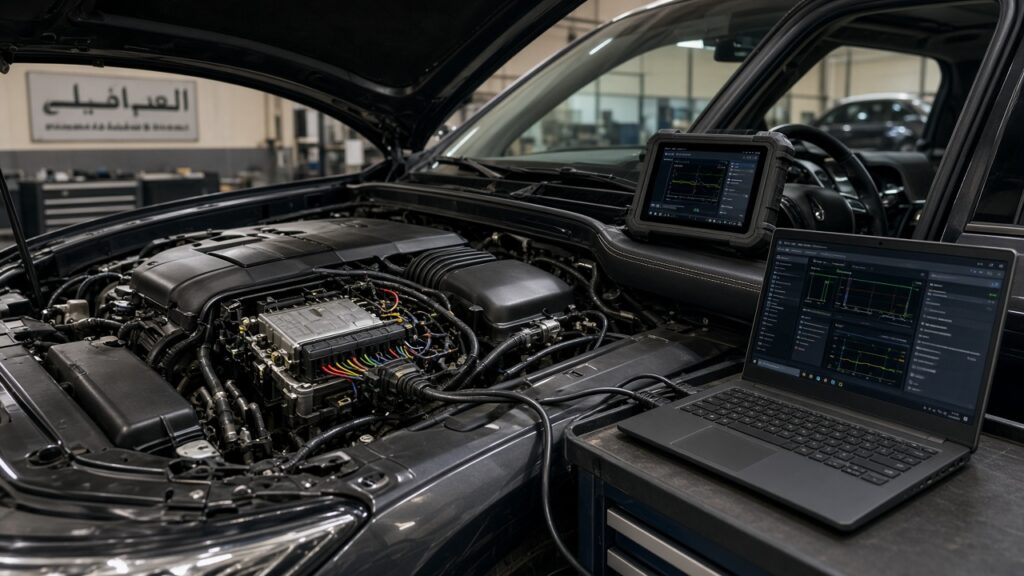
 The Hidden Language of Performance: Why Your BMW Needs Specialized Diagnostics (Not Generic Scanners)

The Hidden Language of Performance: Why Your BMW Needs Specialized Diagnostics (Not Generic Scanners)

Owning a BMW is an experience defined by precision, luxury, and the sheer joy of the “Ultimate Driving Machine.” These vehicles are marvels of modern engineering, blending high-performance mechanical components with sophisticated software ecosystems. However, when a warning light flickers on the dashboard, many owners face a critical decision: head to the nearest auto parts store for a free generic scan or seek out a specialist with dedicated BMW diagnostic tools.

While a generic scanner might seem like a cost-effective and convenient solution, relying on one for a BMW is akin to trying to perform surgery with a first-aid kit. It might identify the surface symptoms, but it completely misses the underlying complexities. To maintain the integrity, performance, and longevity of your vehicle, understanding why specialized diagnostics are non-negotiable is essential.

The Digital Nervous System of a BMW

To understand why generic tools fail, one must first appreciate what is happening under the hood of a modern BMW. Unlike cars from thirty years ago, which were primarily mechanical, a modern BMW is essentially a rolling supercomputer. It does not rely on a single computer; rather, it utilizes a complex network of Electronic Control Units (ECUs). Depending on the model, a typical 3 Series or X5 may have anywhere from 40 to over 70 distinct control modules.

These modules control everything from engine timing (DME/DDE) and transmission shifting (EGS) to the infotainment system, climate control, and even the angle of your headlights. They communicate with each other through high-speed data networks known as CAN bus (Controller Area Network) and FlexRay systems. When a fault occurs, it is rarely an isolated incident. A transmission issue might actually be caused by a faulty wheel speed sensor communicating incorrect data to the traction control module. Specialized diagnostics are the only tools capable of “listening” to this entire conversation, whereas generic scanners are often deaf to everything outside of basic emissions data.

The Limitations of Generic OBD-II Scanners

The On-Board Diagnostics II (OBD-II) standard was mandated in the mid-1990s to ensure all cars could report emissions-related faults. This is the language generic scanners speak. They are designed to be universal, meaning a $20 scanner can plug into a Ford, a Toyota, or a BMW and read the same basic “P-codes” (Powertrain codes). However, BMW’s internal language is far more complex than the federally mandated standard.

When you rely on these basic tools, you are getting a watered-down translation of the problem. A generic scanner might tell you that you have a “Cylinder Misfire.” It gives you the what, but rarely the why. It cannot read the proprietary manufacturer codes that provide context. Furthermore, when it comes to General Maintenance & Repairs, attempting to fix a complex German vehicle based on generic data is a recipe for expensive parts-swapping rather than precise problem-solving. A generic tool might lead you to replace spark plugs and coils, ignoring the fact that a specialized tool would have identified a deeper issue with the Valvetronic system or a vacuum leak in the crankcase ventilation, saving you hundreds of dollars in unnecessary parts.

Shadow Codes: The Ghost in the Machine

One of the most profound differences between generic and specialized diagnostics is the ability to read “Shadow Codes” (or inactive codes). Generic scanners usually only display “hard” faults issues that are currently active and have triggered the Check Engine Light (CEL).

However, BMW computers are incredibly smart. They log historical data and intermittent glitches that haven’t yet triggered a warning light. These are known as shadow codes. For example, a fuel pump might be showing early signs of voltage irregularity. A specialized scanner, such as those using BMW’s ISTA (Integrated Service Technical Application) software or high-end aftermarket equivalents like Autologic, can see these shadow codes.

This predictive capability allows a technician to address a failing component before it leaves you stranded on the side of the highway. It changes the maintenance philosophy from reactive repairs to proactive care, ensuring the car remains reliable.

Bi-Directional Control: Talking Back to the Car

Generic scanners are “read-only” devices. They can pull a code and perhaps show you a snapshot of data (freeze frame) from the moment the error occurred. Specialized BMW diagnostics, on the other hand, are “bi-directional.” This means they can send commands to the car, not just receive data from it.

This capability is vital for accurate diagnosis. Suppose your air conditioning stops blowing cold air. A generic scanner might show no codes because the electrical circuit is technically intact. A specialist using a bi-directional tool can manually command the A/C compressor clutch to engage or command the blend doors to move.

If the component responds to the computer command but not the button on the dash, the technician instantly knows the issue lies in the control module or the switch, not the expensive compressor. Without this active testing capability, mechanics are often forced to guess, leading to the infamous “parts cannon” approach where components are replaced until the problem accidentally goes away.

The Necessity of “Coding” and Adaptation

In the world of BMW, replacing a part is rarely a “plug and play” affair. This is where specialized diagnostics become absolutely mandatory. Modern BMWs require “coding” or “adaptation” resets whenever certain electrical or mechanical components are replaced.

Battery Registration

A prime example is the battery. You cannot simply swap an old battery for a new one in a modern BMW. The car uses an Intelligent Battery Sensor (IBS) to monitor the age and health of the battery, adjusting the alternator’s charging rate as the battery degrades. If you do not “register” the new battery using a specialized diagnostic tool, the alternator will continue to charge the fresh battery as if it were the old, dying one. This can significantly shorten the life of the new battery and even damage the alternator or electrical system.

Fuel Injector Coding

Direct injection engines require extreme precision. Each fuel injector has a specific flow rate tolerance manufactured into it. When an injector is replaced, the specific calibration values stamped on the new injector must be programmed into the Engine Control Unit (DME). Without this specialized coding, the engine may run roughly, suffer from poor fuel economy, or fail emissions tests.

Transmission Adaptations

As a transmission wears, the computer adjusts the internal pressures to ensure smooth shifts. If you change the transmission fluid or replace a solenoid, these “adaptation values” must be reset so the computer can learn the new baseline. Generic scanners simply do not have the software architecture to perform these critical reset functions.

Detailed Live Data and Component Monitoring

While some advanced consumer scanners can show “Live Data” (real-time readouts of RPM, temperature, etc.), they lack the granularity required for BMW diagnostics. A specialized tool allows a technician to view data streams that are specific to German engineering.

For instance, diagnosing a VANOS (Variable Camshaft Timing) issue requires looking at the “commanded position” versus the “actual position” of the camshafts in real-time. If the actual position lags behind the commanded position by a few degrees, it indicates a solenoid failure or oil pressure issue. Generic data streams often update too slowly or lack the specific parameter IDs (PIDs) to show this detailed relationship, leading to misdiagnosis of timing chain issues when a simple solenoid cleaning might have sufficed.

The Economic Reality: Saving Money by Spending on Diagnostics

There is a common misconception that taking a car to a specialist with high-end diagnostic equipment is an unnecessary expense. Owners often feel that paying a diagnostic fee is a waste of money if they can get the code read for free at a parts store. This is a false economy.

The cost of a proper diagnosis is almost always lower than the cost of a single wrong repair. Consider a scenario where a generic scanner indicates a “Lean Condition” (P0171). A DIYer or general mechanic might assume the O2 sensor is bad and replace it ($150 part + labor). When the light comes back on, they might replace the Mass Air Flow sensor ($250 part + labor).

A BMW specialist using a smoke machine and a specialized scanner could view the “fuel trim” values in real-time and identify that the issue is actually a cracked PCV breather hose a $40 part. The specialized diagnosis pinpoints the root cause immediately, whereas the generic approach results in hundreds of dollars of wasted parts and frustration.

Conclusion: Respecting the Engineering

BMWs are designed to operate within tight tolerances. They deliver exceptional performance because every system is monitored and managed by advanced software. Reducing this complex ecosystem to a simple four-digit generic code is an insult to the engineering of the vehicle and a risk to your wallet.

Whether you drive a vintage E46 3 Series or the latest G20, the health of your vehicle depends on the quality of the conversation you have with its computers. Generic scanners offer a monologue a vague summary of the car’s complaints. Specialized diagnostics offer a dialogue a deep, two-way communication that allows for precise identification, testing, and calibration of the vehicle’s systems.

For the longevity of your investment and the safety of your drive, always prioritize specialized diagnostics. It is the difference between guessing what is wrong with your car and knowing exactly how to restore it to the Ultimate Driving Machine it was built to be.
Leave a Reply

Your email address will not be published. Required fields are marked *

Smart Garage
Service Advisor
Online
Smart Garage
Hello! How can we help you with your car today? 👋
Just now
1