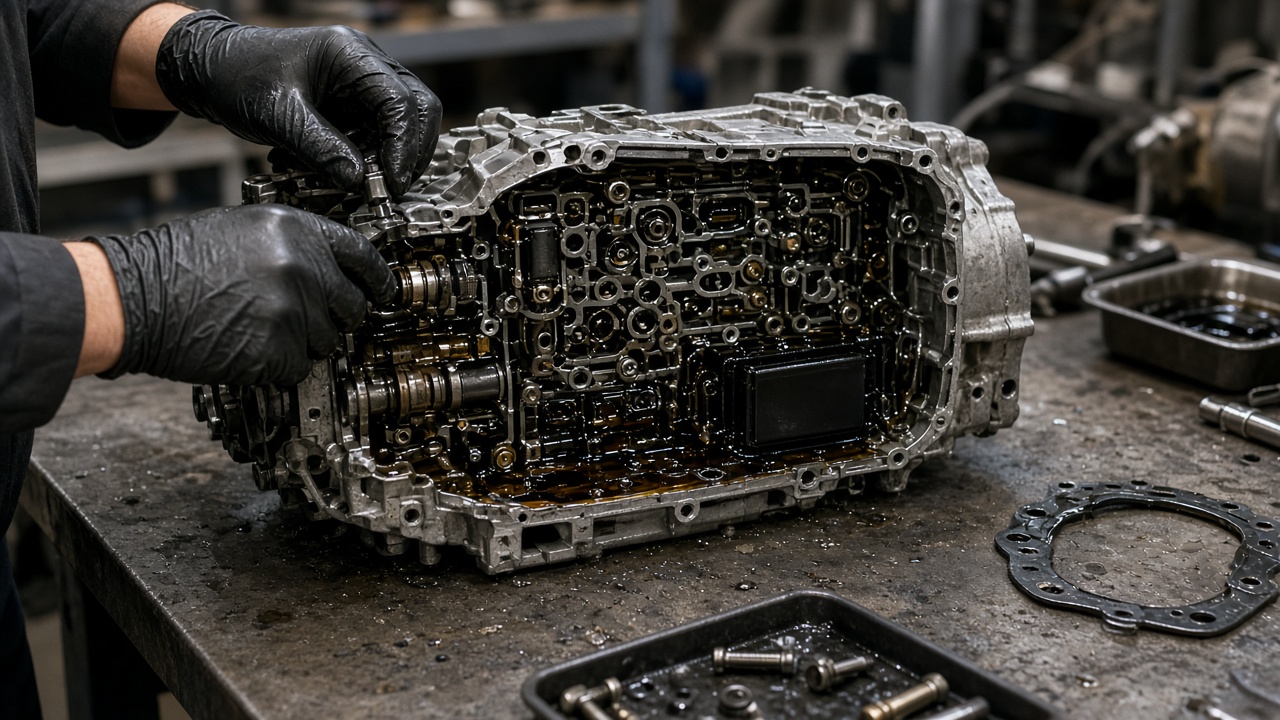
The modern luxury vehicle is a marvel of engineering, blending high-octane performance with living-room comfort. However, the Achilles’ heel of these sophisticated machines often lies within the drivetrain. For owners of Volkswagen Audi Group (VAG) vehicles and high-end American muscle or luxury SUVs, the gearbox is frequently the first major component to show signs of fatigue.
In this deep dive, we explore the mechanical nuances, software complexities, and engineering philosophies that lead to specific transmission failures in these two automotive giants.
1. The Engineering Philosophy: Performance vs. Longevity
Luxury car manufacturers are in a constant arms race to provide seamless shifts and lightning-fast acceleration. To achieve this, VAG-group brands (Audi, Bentley, Porsche, VW) and American manufacturers (Cadillac, Corvette, Ford High-Performance) have moved toward complex multi-clutch systems and high-gear-count automatics (8, 9, and 10-speeds).
While these designs improve fuel efficiency and performance, they introduce more points of failure. The tighter tolerances required for these gearboxes mean that even a microscopic amount of debris or a slight software glitch can lead to a catastrophic breakdown.
2. VAG-Group: The Dual-Clutch Dilemma (DSG and S-Tronic)
The Volkswagen Audi Group revolutionized the industry with the Direct-Shift Gearbox (DSG). By using two clutches one for odd gears and one for even the car can pre-select the next gear, making shifts nearly instantaneous. However, this complexity comes at a price.
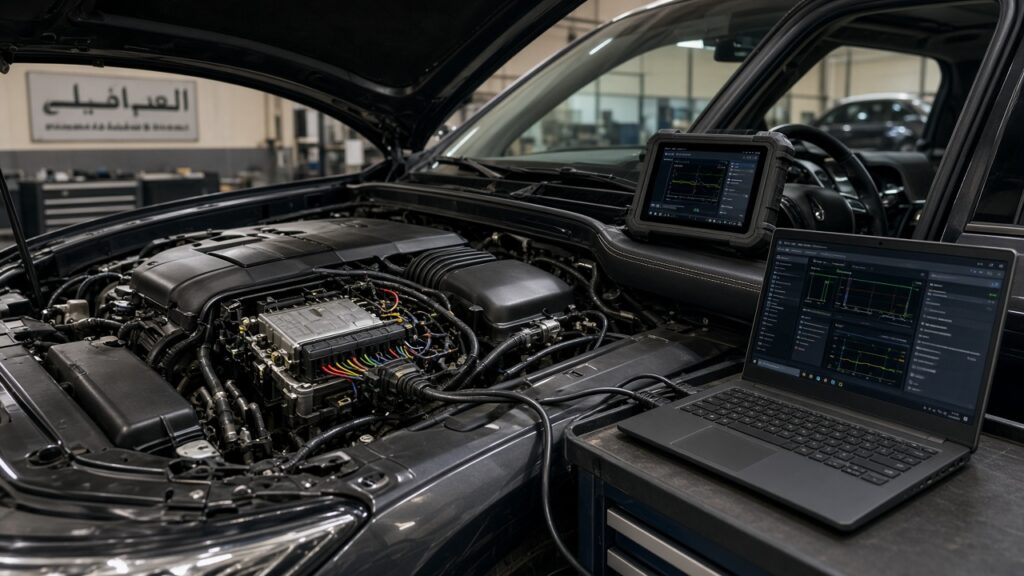
Common issues include “mechatronic” unit failures, where the electronic brain of the transmission becomes unresponsive due to heat or electrical shorts. Owners often report jerky low-speed shifts, “false neutrals,” or the dreaded flashing “PRNDL” light on the dashboard. When these symptoms arise, consulting a Gearbox Repair Specialist is essential, as these units require specialized diagnostic tools that standard OBD-II scanners cannot replicate. A specialist can often recalibrate the software or replace specific solenoids without needing a full transmission swap, saving the owner thousands of dollars.
3. American Luxury: Torque and Towing Strain
American luxury vehicles, such as the Cadillac Escalade or the Lincoln Navigator, often rely on massive torque outputs to move their heavy frames. Similarly, performance icons like the Corvette or Mustang Shelby GT500 use heavy-duty automatics designed for “launch control.”
The challenge here is heat. American 8L90 and 10R80 transmissions are known for “shuddering” issues. This is often caused by the torque converter clutch failing to engage smoothly, leading to vibrations that feel like driving over rumble strips. Unlike the European focus on electronics, American gearbox failures are often thermal and hydraulic in nature.
4. The Role of Mechatronics and Sensors
In both VAG and American models, the shift from mechanical linkages to “shift-by-wire” systems means that sensors are the primary decision-makers. In an Audi A8 or a Cadillac CT6, a faulty speed sensor or a clogged valve body can mimic the symptoms of a physical gear failure.
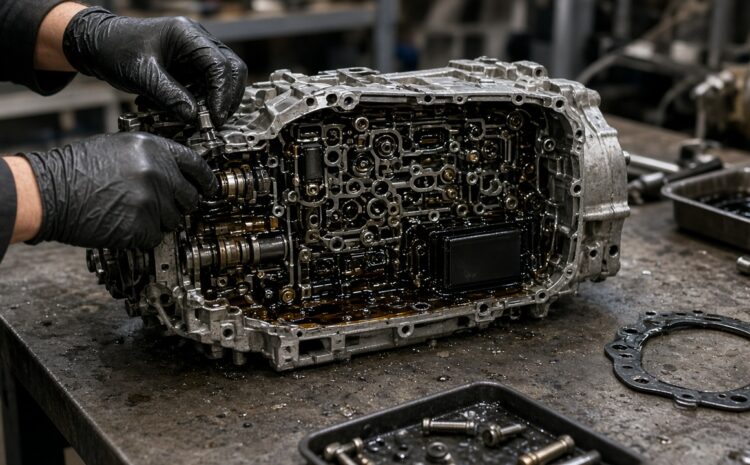
In VAG models, the mechatronics unit is submerged in transmission fluid. Over time, metallic micro-shavings can create “conductive bridges” in the fluid, causing the electronics to short-circuit. American models, conversely, often suffer from pressure regulator valve wear, which leads to “harsh shifts” that can eventually crack the internal gear drums.
5. Maintenance Myths: The “Lifetime Fluid” Trap
Perhaps the biggest contributor to gearbox failure is the marketing term “filled for life.” Many luxury manufacturers claim their transmissions never need servicing. Mechanical experts disagree.
Over time, transmission fluid shears down, loses its viscosity, and becomes contaminated with friction material. To prevent the premature death of your luxury vehicle’s drivetrain, a regular transmission fluid change is the most cost-effective insurance policy available. For VAG-group DSG units, this is typically recommended every 40,000 miles, while heavy American SUVs should ideally see fresh fluid every 50,000 miles to flush out the metallic debris that accumulates during heavy towing or spirited driving.
6. Software Adaptations and Driving Habits
Modern gearboxes are “learning” units. They adapt to your driving style. If you drive aggressively, the car increases line pressure for faster shifts. If you drive in stop-and-go traffic, the clutches are constantly slipping to provide smoothness.
In VAG cars, the “creep” function in traffic is particularly hard on the clutches. In American trucks and luxury sedans, the “cylinder deactivation” technology (which turns an 8-cylinder engine into a 4-cylinder to save fuel) creates torsional vibrations that the gearbox must absorb. These cycles of adaptation can eventually lead to “logic errors” in the TCU (Transmission Control Unit), requiring a professional “adaptation reset” to restore factory-smooth shifting.
7. High-Tech Solutions for Luxury Drivetrains
Repairing a gearbox in 2024 is no longer just about gears and grease; it is about data. Innovative repair shops now use “ultrasonic cleaning” for valve bodies and “solenoid testing benches” to ensure every component performs under pressure before it is reinstalled.
For VAG owners, upgrading to high-performance clutch packs can solve the inherent weaknesses of the factory DSG. For American car owners, installing aftermarket transmission coolers is a popular and effective way to combat the heat-related failures common in 8 and 10-speed units.
8. Why Specialized Care Matters
You wouldn’t ask a general practitioner to perform heart surgery; similarly, a luxury gearbox should not be serviced by a general mechanic. The tools required to shim a VAG DSG clutch or to reprogram a Ford/GM 10-speed transmission are proprietary and expensive.
Furthermore, luxury gearboxes require specific synthetic fluids that meet exacting manufacturer specifications (such as Pentosin for European models). Using the wrong “universal” fluid can lead to seal swelling and total internal failure within a few thousand miles.
Conclusion: Protecting Your Investment
Whether you are enjoying the precision of a German-engineered Audi or the raw power of an American luxury V8, the transmission is the bridge between the engine’s power and the road. Understanding the specific vulnerabilities the electronics of the VAG group and the thermal stresses of American models is the first step in long-term ownership.
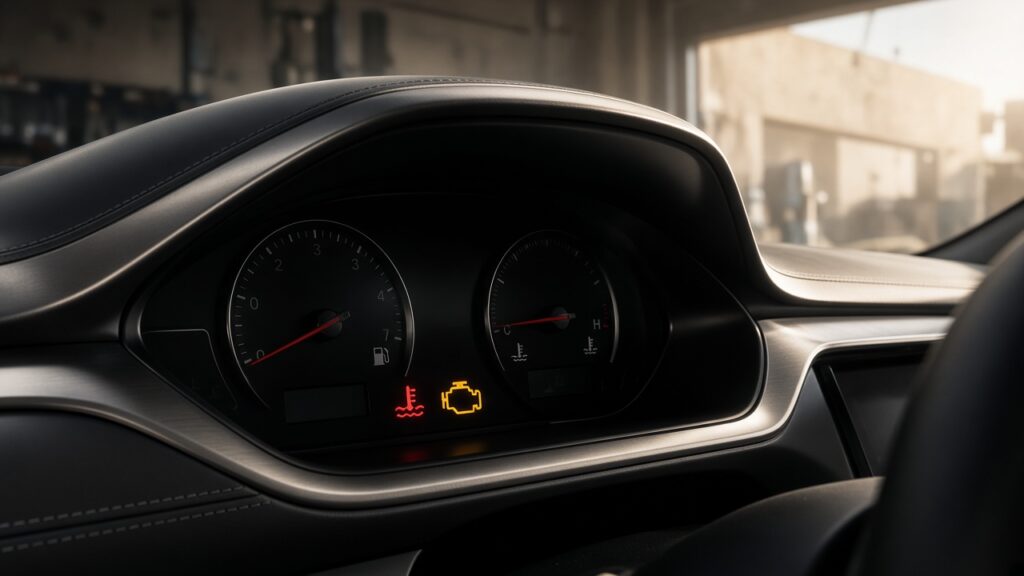
Don’t wait for the Check Engine light or a total loss of drive. Regular inspections, software updates, and timely fluid services will ensure that your luxury vehicle remains a pleasure to drive for years to come.
For those experiencing shifting issues or looking for preventative maintenance in the UAE, visiting a dedicated facility like Smart Garage Transmission Repair ensures your vehicle receives the specialized diagnostic care it deserves.