Home About Services Brands Blog Contact
March 04, 2026 • Smart Garage Sharjah

Preparing Your Car for Long Road Trips with Mechanical Servicing

The open road stretches before you, a ribbon of opportunity leading to new horizons, breathtaking landscapes, and unforgettable memories. For millions of drivers, a long road trip is the ultimate expression of freedom. But nothing kills the spirit of adventure faster than the plume of steam rising from under the hood in the middle of nowhere, or the dreaded thump of a blown tire at highway speeds.

According to automotive experts, a significant percentage of long-trip breakdowns are caused by neglecting simple, preventable maintenance issues . Whether you’re planning a coastal cruise, a mountainous retreat, or an outback expedition, the difference between a dream vacation and a roadside nightmare often comes down to one critical factor: preparation.

This comprehensive guide will walk you through everything you need to know about Preparing Your Car for Long Road Trips with Mechanical Servicing, ensuring that when you turn the key, your only worry is which playlist to start with.

The Philosophy of Pre-Trip Preparation: Why It Matters

Before we dive into the grease and grime of actual mechanics, it’s important to understand why a thorough vehicle check is non-negotiable. Modern vehicles are incredibly reliable, but they are also complex systems of moving parts, fluids, and electronics, all operating under significant stress. A long journey multiplies that stress exponentially .

1. Safety First: A vehicle failure at 70 mph isn’t just an inconvenience; it’s a safety hazard. Faulty brakes, worn tires, or a malfunctioning steering system can lead to loss of control with catastrophic consequences .

2. Reliability and Avoidance of Stranger Danger: Breaking down in your hometown is frustrating. Breaking down hundreds of miles from home, in an area where you don’t know a reputable mechanic, is a stressful ordeal. Pre-trip maintenance ensures your car is reliable enough to get you there and back without introducing you to the hospitality of a tow truck driver in a strange town .

3. Economic Sense: Preventative maintenance is almost always cheaper than emergency repairs. A $20 gallon of coolant can prevent a $5,000 engine replacement caused by overheating. Addressing a worn belt in your driveway is far less expensive than dealing with its aftermath on the road .

4. Efficiency and Comfort: A properly maintained car is a more efficient car. Correct tire pressure, clean oil, and a tuned engine maximize fuel economy, saving you money at the pump. Furthermore, ensuring your air conditioning works and your suspension isn’t squeaking makes the hours in the car far more pleasant for everyone .

Phase 1: The Deep Dive (2-4 Weeks Before Departure)

The worst time to discover a major issue is the night before you leave. Starting your preparations early provides a crucial buffer, allowing time for diagnostics, parts ordering, and complex repairs. This phase is about the major systems that keep your car alive.

The Vital Fluids Analysis

Your car relies on a cocktail of specialized fluids to function. Think of them as the lifeblood of your vehicle.

  • Engine Oil: Check the level and, more importantly, the condition. If the oil looks like a milkshake (a sign of coolant intrusion) or is gritty and black, it needs changing immediately. Clean oil is essential for lubricating the engine’s high-speed moving parts, especially during the sustained heat of a long drive .

  • Coolant (Antifreeze): This is your engine’s defense against overheating. Check that the coolant is at the proper level and that it hasn’t become rusty or sludge-like. Mechanics recommend checking the mixture’s freeze/boil protection level to ensure it can handle the climates you’ll be driving through .

  • Transmission Fluid: This fluid is critical for smooth gear changes. Low or burnt-smelling transmission fluid can lead to slipping gears and eventual transmission failure—one of the most expensive repairs a car can need .

  • Brake and Power Steering Fluids: Low brake fluid can indicate worn brake pads or a leak in the system, compromising your ability to stop. Power steering fluid ensures you can maneuver the vehicle effortlessly .

The Electrical Heart: Battery Health

Battery failures are a leading cause of roadside calls. Heat can be just as hard on a battery as cold, causing the fluid inside to evaporate and leading to internal damage .

  • Load Testing: Don’t just look at it; have it professionally load-tested. This measures the battery’s ability to hold a charge under simulated starting conditions. If your battery is more than three years old, it’s a prime candidate for replacement before a long trip .

  • Connection Check: Ensure the terminals are clean, free of corrosive buildup (that white or greenish powder), and tightly connected .

The Cooling System Crucible

Overheating is a common issue, particularly in summer or when the car is heavily loaded.

  • Hose and Belt Inspection: Mechanic will look for hoses that are soft, bulging, or cracked, as these can burst under pressure. Belts should be checked for “cracking,” fraying, or glazing (a shiny, hardened surface) which indicates they are about to fail .

  • Radiator and Cap: A faulty radiator cap can cause a loss of coolant pressure, leading to overheating. The radiator itself should be checked for leaks or blockages in the cooling fins .

Phase 2: The Operational Check (1 Week Before)

With the major systems verified, it’s time to focus on the components that connect you to the road and ensure your day-to-day comfort and control.

The Critical Role of Professional Mechanical Repair & Maintenance Services

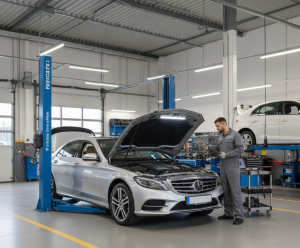
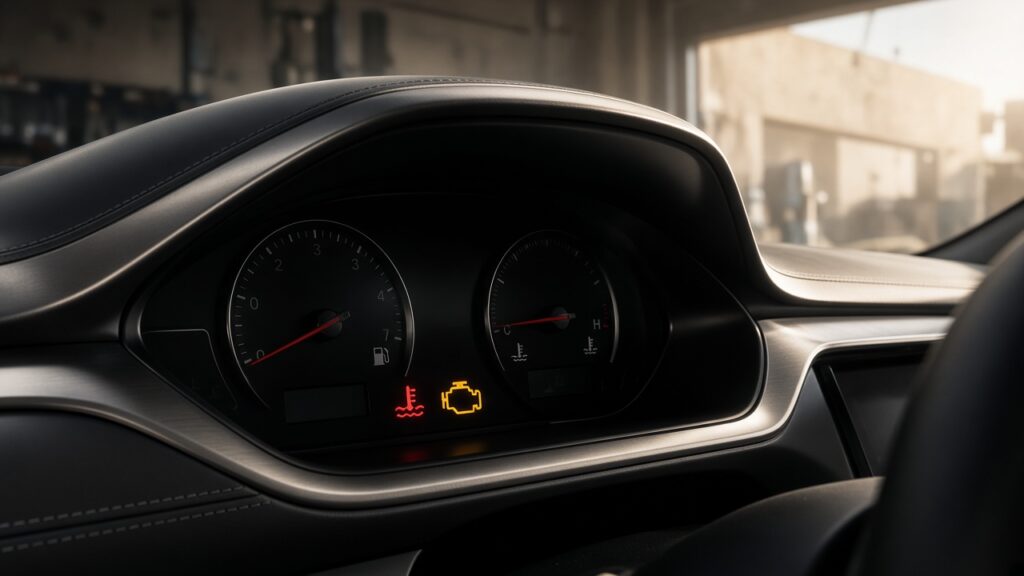
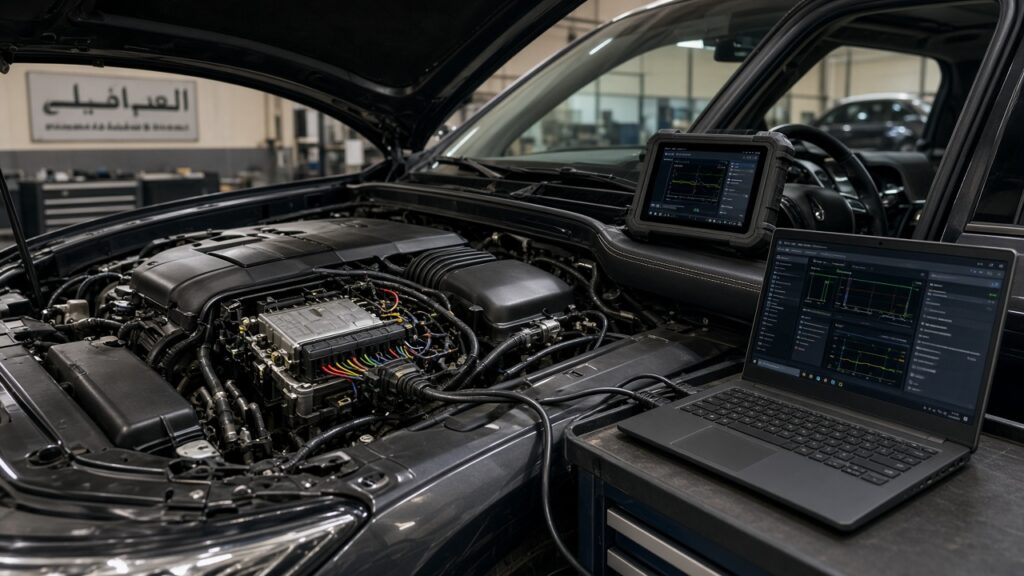
While a DIY visual check is a great start, the complexity of modern vehicles means that a professional pair of eyes is invaluable. This is where engaging professional Mechanical Repair & Maintenance Services becomes the most critical step in your preparation. These services go beyond simple fluid top-ups. Professional technicians use specialized diagnostic tools to scan your car’s computer for hidden error codes that haven’t yet triggered a dashboard light. They possess the equipment to perform precise brake measurements, suspension load testing, and cooling system pressure checks that are impossible to do in a driveway .

A comprehensive pre-trip inspection by a certified service includes a multi-point check of all safety systems, providing a documented report on the health of your vehicle. They can identify issues like a caliper starting to seize, a wheel bearing with minimal play that will worsen over 1,000 miles, or an exhaust leak that could seep into the cabin. Investing in these expert Mechanical Repair & Maintenance Services transforms your preparation from guesswork into a guaranteed science, offering peace of mind that is worth its weight in gold when you’re miles from the nearest town .

Tire Technology and Tread

Your tires are the only part of your car that touches the road. Their condition is paramount.

  • Tread Depth and Wear Patterns: The legal minimum is often 1.6mm, but for a long, wet highway journey, 3mm or more is highly recommended for effective water dispersion and grip . Look for uneven wear, which could indicate an alignment or suspension issue that needs addressing .

  • Pressure and the Spare: Inflate tires to the pressure listed on the driver’s side door jamb sticker (not the number on the tire sidewall). This optimizes handling and fuel economy. And please, for the love of all that is good, do not forget the spare tire. Ensure it’s inflated and that you have a jack and lug wrench that actually work .

Brake System Integrity

Brakes are your primary active safety device. On a long trip, you’ll encounter everything from stop-and-go city traffic to long, downhill mountain grades that can cook sub-par brakes.

  • Pad and Rotor Check: Pads should have ample friction material left (at least 3-4mm). Rotors should be smooth, not scored or warped, which would cause a pulsation when stopping .

  • Feel and Sound: Be aware of any squeaking, grinding, or a “soft” or “spongy” pedal feel. These are signs that immediate service is required .

Lighting and Visibility

You need to see and be seen.

  • Full Light Test: Have a friend help you check every light: headlights (low and high beam), brake lights (including the center high-mounted stop light), turn signals, hazard lights, reverse lights, and license plate lights .

  • Wipers and Washers: Replace wiper blades that streak or chatter. Fill the windshield washer reservoir with a quality fluid—you’ll be amazed at how many bugs you’ll collect on a highway journey .
Phase 3: The Final Countdown (2-3 Days Before)

As the departure date looms, it’s time for the finishing touches that ensure you’re not just mechanically sound, but also practically prepared.

Packing with Physics in Mind

How you load your car affects its handling and fuel economy.

  • Weight Distribution: Place the heaviest items low and as close to the center of the car as possible. This lowers the center of gravity and improves stability.

  • Secure Everything: Loose items become dangerous projectiles in a sudden stop. Secure cargo with nets, straps, or simply by packing the trunk tightly .

  • Roof Loads: If using a roof box or carrier, remember it raises your center of gravity and increases wind resistance, hurting fuel economy. Ensure it’s securely fastened and that you haven’t exceeded the roof’s dynamic weight limit.

Assembling the Ultimate Emergency Kit

Hope for the best, but prepare for the worst. Your emergency kit should include:

  • Roadside Essentials: Jumper cables (or a portable jump starter), a basic tool kit (screwdrivers, pliers, adjustable wrench), a flashlight with fresh batteries, and reflective triangles or flares .

  • Comfort and Survival: A first-aid kit, bottled water, non-perishable snacks (nuts, granola bars), blankets, and a portable phone charger or power bank .

  • Vehicle-Specific Spares: An extra quart of oil and a gallon of coolant can be a lifesaver if you spring a minor leak or start burning oil .

Digital and Documentary Readiness

Ensure your ducks are in a row on paper and on screen.

  • Documents: Check that your driver’s license is valid, and pack your registration and proof of insurance. Having a digital copy on your phone is handy, but keep the physical copies in the glove box .

  • Navigation and Apps: Update your GPS or download offline maps for your route on apps like Google Maps or Waze. Download music and podcasts for areas with no cell service .

Special Considerations for Different Terrains

A trip to the beach is different from a trip to the mountains, which is different from a trek into the desert.

  • For Mountain Drives: Pay special attention to your brakes and cooling system. Long descents can overheat brakes, so having a good pad material and fresh fluid is vital. Ascents put maximum load on the engine, testing the cooling system’s ability to dissipate heat .

  • For Desert or Outback Travel: Range is everything. Consider carrying extra fuel in approved containers. Take extra water—for you and your radiator. Communication is key; a satellite phone or personal locator beacon (PLB) is a wise investment for remote areas where cell service doesn’t exist .

  • For Coastal Drives: Salt air is corrosive. While you can’t stop it, a good wax before you go can help protect the paint. Be mindful of driving on soft sand; check your air filter afterward to ensure it hasn’t sucked in fine dust or sand .

The Return Journey: Post-Trip Maintenance

The trip is over, the photos are uploaded, but your car needs one last bit of attention. A post-trip check is just as important as the pre-trip preparation .

  • Clean Up: Wash the car thoroughly to remove road salt, bug splatter, tree sap, or mud that can trap moisture and cause corrosion.

  • Inspect for Damage: Look for new chips in the windshield, dings in the bodywork, or damage to the undercarriage from rough roads.

  • Check Fluids and Tires: Re-check fluid levels and tire pressure and tread wear. A long trip may have accelerated wear, and catching it now prevents issues later.

  • Debrief with a Mechanic: If you noticed any odd noises, vibrations, or handling quirks during the trip, have a professional look at them before they become major problems .

Wrapping Up

Preparing your car for a long road trip is an act of respect—respect for the machine that will carry you, for the passengers who trust you, and for the journey itself. By following this guide, from the initial deep dive on fluids and belts to the final check of your emergency kit, you transform your vehicle from a mere appliance into a trusted companion for the road ahead.

Investing time in Mechanical Repair & Maintenance Services before you depart is the ultimate insurance policy. It ensures that the only surprises you encounter are the beautiful sunsets, quirky roadside attractions, and the joy of discovery that make road trips an enduring part of the human experience. So, book that inspection, pack the car, and drive on with confidence. The road is waiting.
 Preparing Your Car for Long Road Trips with Mechanical Servicing

Preparing Your Car for Long Road Trips with Mechanical Servicing

The open road stretches before you, a ribbon of opportunity leading to new horizons, breathtaking landscapes, and unforgettable memories. For millions of drivers, a long road trip is the ultimate expression of freedom. But nothing kills the spirit of adventure faster than the plume of steam rising from under the hood in the middle of nowhere, or the dreaded thump of a blown tire at highway speeds.

According to automotive experts, a significant percentage of long-trip breakdowns are caused by neglecting simple, preventable maintenance issues . Whether you’re planning a coastal cruise, a mountainous retreat, or an outback expedition, the difference between a dream vacation and a roadside nightmare often comes down to one critical factor: preparation.

This comprehensive guide will walk you through everything you need to know about Preparing Your Car for Long Road Trips with Mechanical Servicing, ensuring that when you turn the key, your only worry is which playlist to start with.

The Philosophy of Pre-Trip Preparation: Why It Matters

Before we dive into the grease and grime of actual mechanics, it’s important to understand why a thorough vehicle check is non-negotiable. Modern vehicles are incredibly reliable, but they are also complex systems of moving parts, fluids, and electronics, all operating under significant stress. A long journey multiplies that stress exponentially .

1. Safety First: A vehicle failure at 70 mph isn’t just an inconvenience; it’s a safety hazard. Faulty brakes, worn tires, or a malfunctioning steering system can lead to loss of control with catastrophic consequences .

2. Reliability and Avoidance of Stranger Danger: Breaking down in your hometown is frustrating. Breaking down hundreds of miles from home, in an area where you don’t know a reputable mechanic, is a stressful ordeal. Pre-trip maintenance ensures your car is reliable enough to get you there and back without introducing you to the hospitality of a tow truck driver in a strange town .

3. Economic Sense: Preventative maintenance is almost always cheaper than emergency repairs. A $20 gallon of coolant can prevent a $5,000 engine replacement caused by overheating. Addressing a worn belt in your driveway is far less expensive than dealing with its aftermath on the road .

4. Efficiency and Comfort: A properly maintained car is a more efficient car. Correct tire pressure, clean oil, and a tuned engine maximize fuel economy, saving you money at the pump. Furthermore, ensuring your air conditioning works and your suspension isn’t squeaking makes the hours in the car far more pleasant for everyone .

Phase 1: The Deep Dive (2-4 Weeks Before Departure)

The worst time to discover a major issue is the night before you leave. Starting your preparations early provides a crucial buffer, allowing time for diagnostics, parts ordering, and complex repairs. This phase is about the major systems that keep your car alive.

The Vital Fluids Analysis

Your car relies on a cocktail of specialized fluids to function. Think of them as the lifeblood of your vehicle.

  • Engine Oil: Check the level and, more importantly, the condition. If the oil looks like a milkshake (a sign of coolant intrusion) or is gritty and black, it needs changing immediately. Clean oil is essential for lubricating the engine’s high-speed moving parts, especially during the sustained heat of a long drive .

  • Coolant (Antifreeze): This is your engine’s defense against overheating. Check that the coolant is at the proper level and that it hasn’t become rusty or sludge-like. Mechanics recommend checking the mixture’s freeze/boil protection level to ensure it can handle the climates you’ll be driving through .

  • Transmission Fluid: This fluid is critical for smooth gear changes. Low or burnt-smelling transmission fluid can lead to slipping gears and eventual transmission failure—one of the most expensive repairs a car can need .

  • Brake and Power Steering Fluids: Low brake fluid can indicate worn brake pads or a leak in the system, compromising your ability to stop. Power steering fluid ensures you can maneuver the vehicle effortlessly .

The Electrical Heart: Battery Health

Battery failures are a leading cause of roadside calls. Heat can be just as hard on a battery as cold, causing the fluid inside to evaporate and leading to internal damage .

  • Load Testing: Don’t just look at it; have it professionally load-tested. This measures the battery’s ability to hold a charge under simulated starting conditions. If your battery is more than three years old, it’s a prime candidate for replacement before a long trip .

  • Connection Check: Ensure the terminals are clean, free of corrosive buildup (that white or greenish powder), and tightly connected .

The Cooling System Crucible

Overheating is a common issue, particularly in summer or when the car is heavily loaded.

  • Hose and Belt Inspection: Mechanic will look for hoses that are soft, bulging, or cracked, as these can burst under pressure. Belts should be checked for “cracking,” fraying, or glazing (a shiny, hardened surface) which indicates they are about to fail .

  • Radiator and Cap: A faulty radiator cap can cause a loss of coolant pressure, leading to overheating. The radiator itself should be checked for leaks or blockages in the cooling fins .

Phase 2: The Operational Check (1 Week Before)

With the major systems verified, it’s time to focus on the components that connect you to the road and ensure your day-to-day comfort and control.

The Critical Role of Professional Mechanical Repair & Maintenance Services

While a DIY visual check is a great start, the complexity of modern vehicles means that a professional pair of eyes is invaluable. This is where engaging professional Mechanical Repair & Maintenance Services becomes the most critical step in your preparation. These services go beyond simple fluid top-ups. Professional technicians use specialized diagnostic tools to scan your car’s computer for hidden error codes that haven’t yet triggered a dashboard light. They possess the equipment to perform precise brake measurements, suspension load testing, and cooling system pressure checks that are impossible to do in a driveway .

A comprehensive pre-trip inspection by a certified service includes a multi-point check of all safety systems, providing a documented report on the health of your vehicle. They can identify issues like a caliper starting to seize, a wheel bearing with minimal play that will worsen over 1,000 miles, or an exhaust leak that could seep into the cabin. Investing in these expert Mechanical Repair & Maintenance Services transforms your preparation from guesswork into a guaranteed science, offering peace of mind that is worth its weight in gold when you’re miles from the nearest town .

Tire Technology and Tread

Your tires are the only part of your car that touches the road. Their condition is paramount.

  • Tread Depth and Wear Patterns: The legal minimum is often 1.6mm, but for a long, wet highway journey, 3mm or more is highly recommended for effective water dispersion and grip . Look for uneven wear, which could indicate an alignment or suspension issue that needs addressing .

  • Pressure and the Spare: Inflate tires to the pressure listed on the driver’s side door jamb sticker (not the number on the tire sidewall). This optimizes handling and fuel economy. And please, for the love of all that is good, do not forget the spare tire. Ensure it’s inflated and that you have a jack and lug wrench that actually work .

Brake System Integrity

Brakes are your primary active safety device. On a long trip, you’ll encounter everything from stop-and-go city traffic to long, downhill mountain grades that can cook sub-par brakes.

  • Pad and Rotor Check: Pads should have ample friction material left (at least 3-4mm). Rotors should be smooth, not scored or warped, which would cause a pulsation when stopping .

  • Feel and Sound: Be aware of any squeaking, grinding, or a “soft” or “spongy” pedal feel. These are signs that immediate service is required .

Lighting and Visibility

You need to see and be seen.

  • Full Light Test: Have a friend help you check every light: headlights (low and high beam), brake lights (including the center high-mounted stop light), turn signals, hazard lights, reverse lights, and license plate lights .

  • Wipers and Washers: Replace wiper blades that streak or chatter. Fill the windshield washer reservoir with a quality fluid—you’ll be amazed at how many bugs you’ll collect on a highway journey .

Phase 3: The Final Countdown (2-3 Days Before)

As the departure date looms, it’s time for the finishing touches that ensure you’re not just mechanically sound, but also practically prepared.

Packing with Physics in Mind

How you load your car affects its handling and fuel economy.

  • Weight Distribution: Place the heaviest items low and as close to the center of the car as possible. This lowers the center of gravity and improves stability.

  • Secure Everything: Loose items become dangerous projectiles in a sudden stop. Secure cargo with nets, straps, or simply by packing the trunk tightly .

  • Roof Loads: If using a roof box or carrier, remember it raises your center of gravity and increases wind resistance, hurting fuel economy. Ensure it’s securely fastened and that you haven’t exceeded the roof’s dynamic weight limit.

Assembling the Ultimate Emergency Kit

Hope for the best, but prepare for the worst. Your emergency kit should include:

  • Roadside Essentials: Jumper cables (or a portable jump starter), a basic tool kit (screwdrivers, pliers, adjustable wrench), a flashlight with fresh batteries, and reflective triangles or flares .

  • Comfort and Survival: A first-aid kit, bottled water, non-perishable snacks (nuts, granola bars), blankets, and a portable phone charger or power bank .

  • Vehicle-Specific Spares: An extra quart of oil and a gallon of coolant can be a lifesaver if you spring a minor leak or start burning oil .

Digital and Documentary Readiness

Ensure your ducks are in a row on paper and on screen.

  • Documents: Check that your driver’s license is valid, and pack your registration and proof of insurance. Having a digital copy on your phone is handy, but keep the physical copies in the glove box .

  • Navigation and Apps: Update your GPS or download offline maps for your route on apps like Google Maps or Waze. Download music and podcasts for areas with no cell service .

Special Considerations for Different Terrains

A trip to the beach is different from a trip to the mountains, which is different from a trek into the desert.

  • For Mountain Drives: Pay special attention to your brakes and cooling system. Long descents can overheat brakes, so having a good pad material and fresh fluid is vital. Ascents put maximum load on the engine, testing the cooling system’s ability to dissipate heat .

  • For Desert or Outback Travel: Range is everything. Consider carrying extra fuel in approved containers. Take extra water—for you and your radiator. Communication is key; a satellite phone or personal locator beacon (PLB) is a wise investment for remote areas where cell service doesn’t exist .

  • For Coastal Drives: Salt air is corrosive. While you can’t stop it, a good wax before you go can help protect the paint. Be mindful of driving on soft sand; check your air filter afterward to ensure it hasn’t sucked in fine dust or sand .

The Return Journey: Post-Trip Maintenance

The trip is over, the photos are uploaded, but your car needs one last bit of attention. A post-trip check is just as important as the pre-trip preparation .

  • Clean Up: Wash the car thoroughly to remove road salt, bug splatter, tree sap, or mud that can trap moisture and cause corrosion.

  • Inspect for Damage: Look for new chips in the windshield, dings in the bodywork, or damage to the undercarriage from rough roads.

  • Check Fluids and Tires: Re-check fluid levels and tire pressure and tread wear. A long trip may have accelerated wear, and catching it now prevents issues later.

  • Debrief with a Mechanic: If you noticed any odd noises, vibrations, or handling quirks during the trip, have a professional look at them before they become major problems .

Wrapping Up

Preparing your car for a long road trip is an act of respect—respect for the machine that will carry you, for the passengers who trust you, and for the journey itself. By following this guide, from the initial deep dive on fluids and belts to the final check of your emergency kit, you transform your vehicle from a mere appliance into a trusted companion for the road ahead.

Investing time in Mechanical Repair & Maintenance Services before you depart is the ultimate insurance policy. It ensures that the only surprises you encounter are the beautiful sunsets, quirky roadside attractions, and the joy of discovery that make road trips an enduring part of the human experience. So, book that inspection, pack the car, and drive on with confidence. The road is waiting.
Leave a Reply

Your email address will not be published. Required fields are marked *

Smart Garage
Service Advisor
Online
Smart Garage
Hello! How can we help you with your car today? 👋
Just now
1