When was the last time you genuinely thought about your tires? For most drivers, tires are those mysterious black rubber rings that somehow keep the car moving. We tend to notice them only when something goes dramatically wrong—a sudden blowout on the highway, a suspicious thumping sound, or that dreaded moment when we walk out to find a completely flat tire. But between those dramatic events, your tires are working silently, constantly, and harder than you probably realize.
Among all the components demanding your attention as a vehicle owner, tire pressure ranks surprisingly high on the list of critical safety and performance factors. Yet it remains one of the most neglected aspects of routine vehicle maintenance. We obsess over oil changes, fret about strange engine noises, and diligently follow service schedules, but how often do we actually check our tire pressure? The answer, for many drivers, is almost never.
This neglect stems from a fundamental misunderstanding of what tire pressure actually does. It’s not just about keeping the tire round enough to roll. Proper tire pressure is the foundation upon which your vehicle’s entire relationship with the road is built. It affects everything from how safely you stop in an emergency to how much you spend at the fuel pump each month. Understanding why tire pressure matters so profoundly can transform how you think about this simple maintenance task and, quite possibly, save you from disaster.
The Hidden Dangers of Driving with Incorrect Tire Pressure
When tire pressure drops too low or climbs too high, the consequences extend far beyond a slightly uncomfortable ride. Under-inflated tires generate excessive heat due to increased sidewall flexing, and heat is the enemy of tire integrity. As the internal temperature rises, the structural components of the tire begin to break down, increasing the risk of catastrophic failure. A tire blowing out at highway speeds is not merely inconvenient—it is genuinely life-threatening.
Over-inflated tires present different but equally serious dangers. With less rubber contacting the road surface, traction diminishes significantly, particularly in wet conditions. Your vehicle’s stopping distance increases, and the risk of losing control during sudden maneuvers rises dramatically. The tire’s ability to absorb impacts from potholes and road debris also decreases, making it more susceptible to damage from encounters with the region’s notoriously challenging road conditions.
Beyond the immediate safety implications, incorrect tire pressure silently accelerates tire wear in ways that may not be immediately visible. Under-inflation causes the outer edges of the tread to wear prematurely, while over-inflation wears out the center. This uneven wear pattern means you’ll be replacing tires far sooner than necessary, turning what should be a multi-year investment into an unexpectedly frequent expense.
For drivers in the Middle East, these dangers are amplified by extreme environmental conditions. The intense heat generated by both the climate and high-speed highway driving places additional stress on tires, making proper pressure maintenance even more critical. This is why professional Car repair UAE services emphasize tire pressure checks as a non-negotiable aspect of regular vehicle maintenance. The combination of high ambient temperatures and long-distance driving creates conditions where even slight pressure deviations can have outsized consequences.
The Science Behind the Recommended Numbers
Have you ever noticed the small sticker inside your driver’s side door frame or glanced at the numbers molded into your tire’s sidewall and wondered what they actually mean? These numbers aren’t arbitrary suggestions—they represent carefully calculated engineering decisions based on your specific vehicle’s design and intended use.
The manufacturer-recommended tire pressure, typically found in your owner’s manual or on that door jamb sticker, represents the optimal balance between multiple competing factors: ride comfort, handling precision, fuel efficiency, and tire longevity. Engineers spent countless hours testing various pressures to determine exactly what keeps your vehicle performing as designed. When you deviate from these recommendations, you’re essentially overriding their engineering decisions.
It’s important to understand that the maximum pressure printed on your tire’s sidewall is exactly that—a maximum, not a recommendation. This number indicates the highest pressure the tire can safely contain, not what’s optimal for your specific vehicle. Filling your tires to this maximum pressure typically results in an unnecessarily harsh ride and reduced traction, particularly in emergency situations.
Temperature plays a fascinating role in tire pressure dynamics that many drivers fail to appreciate. Tire pressure fluctuates with temperature at a rate of approximately one to two pounds per square inch for every ten-degree Fahrenheit change in ambient temperature. This means the pressure you set on a cool morning will be significantly different by midday when the pavement has been baking in the sun. During winter months or when traveling between dramatically different climate zones, these fluctuations become even more pronounced.
For drivers covering long distances, friction-generated heat further complicates this equation. A tire that was perfectly inflated when cold can exceed its optimal pressure after an hour of highway driving. This is why pressure should always be checked when tires are cold—meaning the vehicle hasn’t been driven for at least three hours—to ensure accurate readings.
Fuel Economy and Environmental Impact
The connection between tire pressure and fuel consumption is more direct than most drivers realize. Under-inflated tires create increased rolling resistance, meaning your engine must work harder to move the vehicle forward. This extra work requires more fuel, which translates directly into higher expenses at the pump and increased carbon emissions.
Research consistently shows that properly inflated tires can improve fuel economy by three percent or more. While this might sound modest, consider the cumulative effect over a year of driving. For the average driver covering twelve thousand miles annually, that three percent improvement represents meaningful savings. For commercial fleets or high-mileage drivers, the financial impact becomes substantial.
The environmental implications are equally significant. Every gallon of gasoline burned releases approximately twenty pounds of carbon dioxide into the atmosphere. By ensuring your tires are properly inflated, you’re reducing your vehicle’s carbon footprint with virtually no effort or expense. It represents one of the simplest ways individual drivers can contribute to environmental sustainability while simultaneously saving money.
Beyond direct fuel consumption, proper tire pressure extends tire life, reducing the frequency with which tires must be manufactured and eventually disposed of. Tire production requires significant resources and generates substantial environmental impact, while discarded tires present ongoing waste management challenges. Maximizing the useful life of each set of tires through proper maintenance represents responsible stewardship of both your financial resources and the environment.
The Misunderstood Tire Pressure Monitoring System
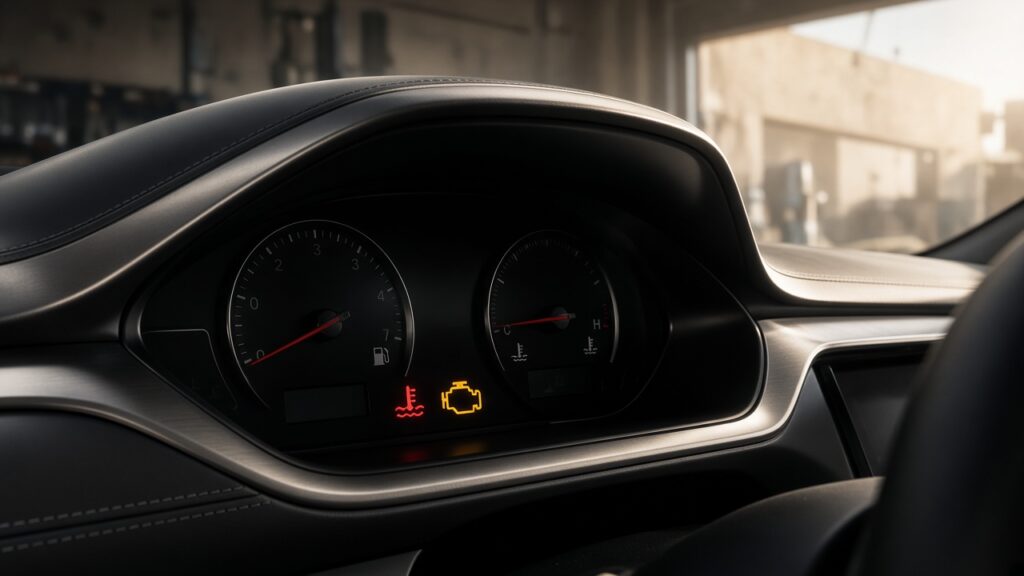
Modern vehicles come equipped with Tire Pressure Monitoring Systems (TPMS) as standard equipment, creating an illusion of safety that can actually work against proper tire maintenance. Many drivers assume that if the TPMS warning light isn’t illuminated, their tire pressure must be fine. This assumption reflects a fundamental misunderstanding of how these systems work.
TPMS is designed to alert you when pressure has dropped to a dangerously low level—typically twenty-five percent below the recommended pressure. This means your tires could be significantly under-inflated for weeks or months before triggering a warning. By the time the light illuminates, your tires have already been operating in a compromised state long enough to potentially cause uneven wear patterns and increased fuel consumption.
The system serves as an emergency alert, not a maintenance indicator. Relying on TPMS instead of regularly checking your pressure is like waiting for your engine to overheat before checking the coolant level—technically possible, but unnecessarily risky and potentially damaging to your vehicle.
Another common misconception involves the TPMS warning light itself. When this light illuminates and remains steady, it indicates low pressure requiring immediate attention. However, if the light flashes for approximately sixty seconds before remaining steady, this signals a system malfunction requiring professional diagnosis. Understanding these distinctions helps ensure you respond appropriately to your vehicle’s warnings.

Seasonal Considerations and Climate Challenges
Different seasons bring different tire pressure challenges that even conscientious drivers sometimes overlook. As temperatures drop during winter months, tire pressure decreases correspondingly, often triggering those TPMS warnings that seem to appear suddenly on cold mornings. Conversely, summer heat causes pressure to increase, potentially pushing properly inflated cold tires above their optimal range during extended driving.
These seasonal fluctuations require proactive pressure adjustments rather than reactive responses. Anticipating temperature changes and adjusting pressure accordingly prevents the gradual drift away from optimal levels that leads to the problems discussed earlier. A pressure check at the beginning of each season, combined with monthly checks throughout, provides adequate protection for most drivers.
For those living in regions with extreme climate variations, these considerations become even more critical. Drivers who travel regularly between coastal areas and mountains, for example, experience dramatic pressure changes that demand attention. Similarly, those who store vehicles for extended periods should check pressure before returning to regular driving, as tires naturally lose small amounts of air over time even without being driven.
The Connection to Overall Vehicle Health
Tire pressure doesn’t exist in isolation—it connects intimately with your vehicle’s overall mechanical health in ways that surprise many drivers. Consider your suspension system, which works constantly to absorb road irregularities and maintain tire contact with the pavement. When tires are improperly inflated, suspension components must work harder to compensate, accelerating wear on shocks, struts, and related parts.
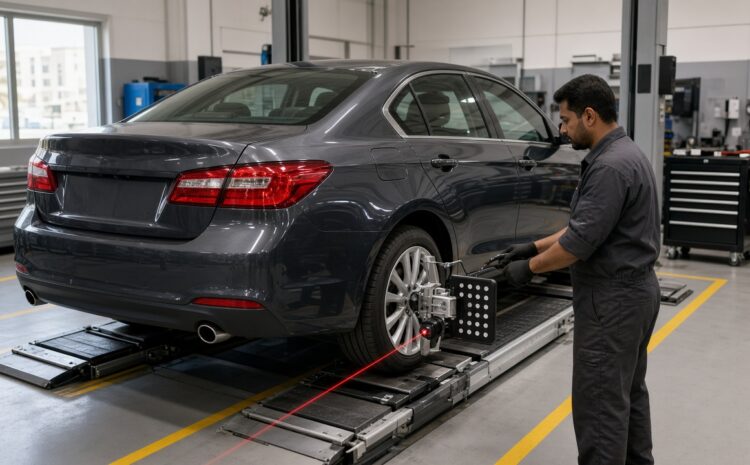
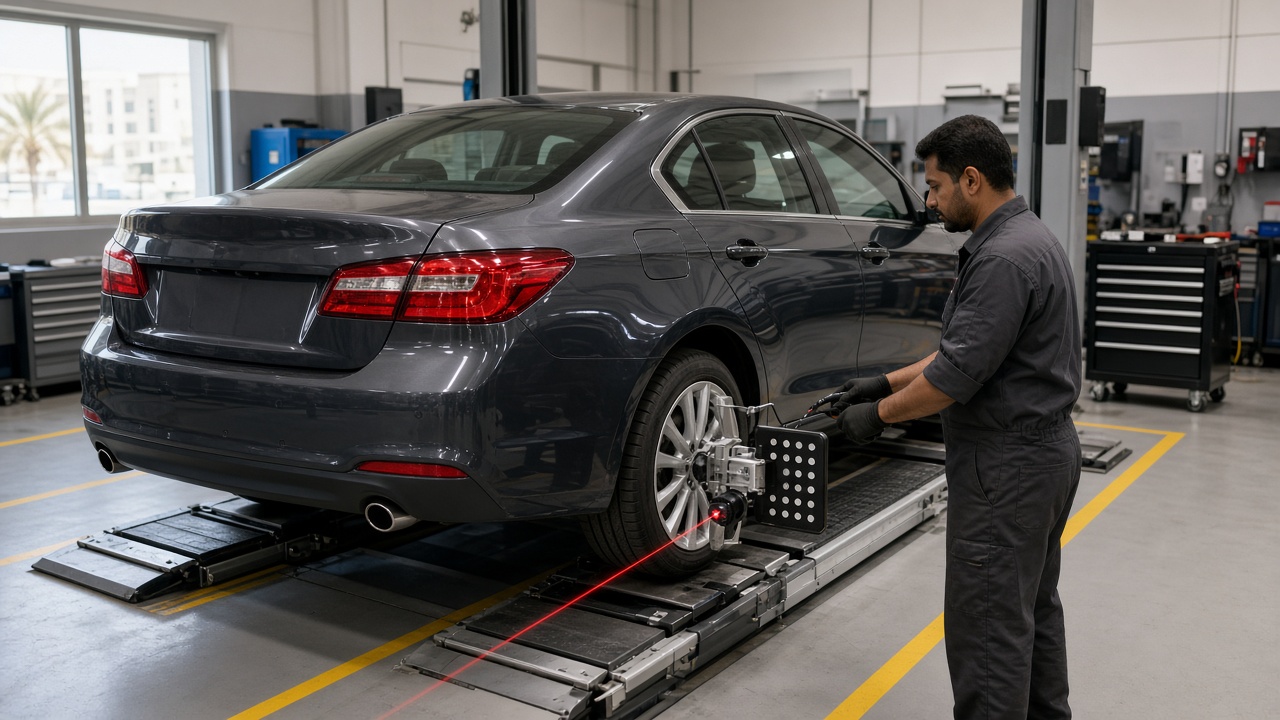
Wheel alignment represents another interconnected system affected by tire pressure. While alignment refers to the angles of your suspension components, tire pressure influences how these angles interact with the road surface. Incorrect pressure can mask alignment issues or create handling characteristics that mimic alignment problems, potentially leading to unnecessary repairs or overlooked issues.
Braking performance depends fundamentally on tire traction, which optimal pressure maximizes. Under-inflated tires increase stopping distances because the contact patch deforms during braking, reducing effectiveness. Over-inflated tires provide less rubber contacting the road, similarly compromising braking performance. Either scenario means your brakes must work harder to stop the vehicle, potentially contributing to premature brake wear alongside the safety implications.
Even your vehicle’s ride comfort and noise levels respond to tire pressure adjustments. Under-inflated tires produce a soft, mushy ride with increased rolling noise, while over-inflation transmits every road imperfection directly to the cabin. Finding and maintaining that optimal pressure specified by your vehicle’s manufacturer delivers the ride quality your vehicle was designed to provide.
Proper Inflation Techniques and Common Mistakes
Checking tire pressure seems straightforward, yet common mistakes undermine the effectiveness of this simple maintenance task. The most frequent error involves checking pressure when tires are warm, whether from recent driving or simply a hot day. Because pressure increases with temperature, warm checks produce artificially high readings that lead to under-inflation once tires cool.
Using inaccurate or poorly maintained pressure gauges represents another common pitfall. The air pumps at many service stations feature gauges that have endured years of abuse and exposure, often providing unreliable readings. Investing in a quality personal tire gauge—preferably a digital model or high-quality analog unit—ensures consistent accuracy and encourages more frequent checks.
The visual inspection fallacy leads many drivers astray. Modern radial tires can appear normally inflated even when significantly under pressure, particularly those with low-profile sidewalls common on contemporary vehicles. By the time a tire looks low, pressure has typically dropped far below safe operating levels. Trusting your eyes rather than a gauge invites precisely the problems we’ve been discussing.
When adding air, remember that small adjustments make meaningful differences. Adding just two or three PSI can transform handling and fuel economy without compromising ride quality. Aim for the manufacturer’s recommended pressure, checking periodically as you add air to avoid overshooting the target.
Professional Maintenance and Your Role as Owner
While regular personal checks form the foundation of proper tire pressure maintenance, professional inspection adds valuable oversight to your efforts. During routine service visits, qualified technicians examine tires for damage that might not be visible during casual inspection—internal structure compromise, bead damage, or valve stem deterioration that could lead to sudden pressure loss.
These professionals also verify that your spare tire—that often-forgotten fifth wheel—maintains proper pressure. Many drivers discover their spare is completely flat only when they desperately need it, transforming a minor inconvenience into a major roadside ordeal. Regular professional checks prevent this unwelcome surprise.
For drivers seeking comprehensive vehicle care, establishing a relationship with qualified service providers ensures all aspects of your vehicle receive appropriate attention. Whether you’re visiting for routine maintenance or addressing specific concerns, discussing tire pressure and condition during each service visit reinforces good habits and catches potential issues before they become problems.
Conclusion
Your tire pressure matters far more than casual observation suggests. It influences your safety during emergency maneuvers, your monthly fuel expenses, your vehicle’s environmental impact, and the longevity of your tires themselves. Yet maintaining proper pressure requires nothing more than a few minutes each month with an accurate gauge and access to compressed air.
This remarkable return on investment—significant benefits for minimal effort—makes regular pressure checks one of the most valuable maintenance habits any driver can develop. By understanding what proper pressure accomplishes and checking it consistently, you protect yourself, your passengers, and your investment while contributing to more efficient, environmentally responsible driving.
The next time you pass an air pump at your local service station, consider stopping for those few minutes. Your tires have been working tirelessly on your behalf, maintaining their grip on the road through every journey. They deserve your attention, and your safety and savings depend on it.