Home About Services Brands Blog Contact
January 15, 2026 • Smart Garage Sharjah

Essential Tools Every Car Owner Should Have in Their Garage

There’s something empowering about being self-sufficient when it comes to your vehicle. While professional mechanics will always have their place, having the right tools at your disposal transforms you from a helpless bystander into someone who can tackle minor issues, perform routine maintenance, and potentially save thousands of dirhams over your vehicle’s lifetime. This isn’t about becoming a full-fledged mechanic overnight; it’s about equipping yourself with the essentials that make car ownership less stressful and more economical.

The Foundation: Tools That Form Your Automotive Arsenal

When we talk about car automotive repair, we’re not just discussing fixing what’s broken. We’re talking about preventive care, routine maintenance, and the confidence that comes from understanding your vehicle’s needs. The tools in this category represent your first line of defense against expensive repair bills and unexpected breakdowns. These aren’t fancy gadgets that sit collecting dust; they’re practical instruments that you’ll reach for again and again throughout your ownership experience.

A comprehensive socket set is the cornerstone of any automotive toolkit. Look for a set that includes both metric and standard sizes, ranging from 8mm to 19mm at minimum. Your socket set should come with a ratchet handle, extension bars of varying lengths, and ideally a universal joint adapter. Why does this matter? Modern vehicles use a variety of bolt sizes, and having the wrong size socket can strip bolt heads, turning a simple job into a nightmare. The ratchet mechanism allows you to work in tight spaces without having to remove and reposition the tool constantly, saving you time and frustration.

Combination wrenches are equally non-negotiable. While sockets are fantastic, there are numerous situations where you’ll need the versatility of a wrench. The combination design, with an open end on one side and a closed loop on the other, gives you options when dealing with different bolt configurations and accessibility challenges. Invest in a set that spans from 8mm to 19mm, and don’t skimp on quality here. Cheap wrenches can round off bolt corners, creating significantly more work and expense.

Diagnostic Intelligence: Understanding What Your Car Is Telling You

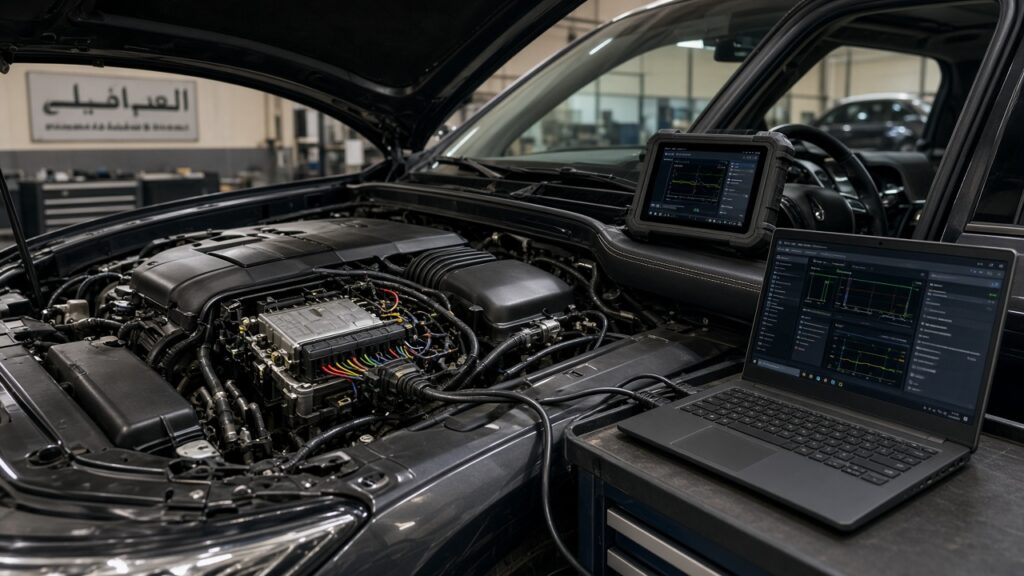
The modern automobile is essentially a computer on wheels, constantly monitoring hundreds of parameters and ready to alert you when something goes wrong. An OBD-II scanner is no longer a luxury reserved for professional shops; it’s an essential tool for the informed car owner. These devices plug into your vehicle’s diagnostic port and translate error codes into understandable information. When that check engine light illuminates, instead of immediately booking an appointment and worrying about the potential cost, you can determine whether it’s a loose gas cap or something more serious.

Basic OBD-II scanners are surprisingly affordable, often costing less than a single diagnostic fee at a repair shop. More advanced models can show real-time data, monitor fuel efficiency, and even reset certain warning lights after you’ve addressed the issue. This tool doesn’t just save money; it prevents the anxiety of driving around with an illuminated warning light, wondering if your engine is about to fail catastrophically.

A quality tire pressure gauge might seem mundane, but it’s one of the most frequently used tools you’ll own. Proper tire pressure affects fuel economy, tire wear, handling, and safety. The gauges built into many air pumps at service stations are often inaccurate or broken. A digital tire pressure gauge provides precise readings and helps you maintain optimal pressure according to your vehicle’s specifications, not generic recommendations.

The Lifting and Supporting Category: Safe Access to Your Vehicle’s Underside

You cannot perform many maintenance tasks without safely raising your vehicle. A hydraulic floor jack rated for your vehicle’s weight is essential, but it’s only half the equation. Jack stands are equally critical and non-negotiable for safety. Never, under any circumstances, work under a vehicle supported only by a jack. Jacks can fail, leak, or shift, and the results can be fatal.

When selecting a floor jack, consider one with a lifting capacity that exceeds your vehicle’s weight. A 2-ton jack works for most sedans, but SUV and truck owners should look at 3-ton models. The jack should have a wide, stable base and a low-profile design that can slide under vehicles with minimal ground clearance. Rubber padding on the lifting point prevents damage to your vehicle’s frame.

Jack stands should always be used in pairs at minimum, and they should be rated for even more weight than your jack. Position them on solid frame points, never on body panels or suspension components. This combination of proper jack and stands creates a stable platform for oil changes, brake work, and countless other repairs that require access to your vehicle’s underside.

Precision and Measurement: Getting It Right the First Time

A reliable torque wrench prevents both under-tightening and over-tightening of critical fasteners. Wheel lug nuts, for instance, have specific torque requirements. Too loose, and your wheel could separate while driving. Too tight, and you risk warping brake rotors, stripping threads, or making future removal nearly impossible. Oil drain plugs, cylinder heads, and suspension components all have precise torque specifications for good reason.

Click-type torque wrenches are user-friendly and accurate when properly maintained. They should be stored at their lowest setting to preserve the internal spring calibration. While they represent a higher investment than standard ratchets, the peace of mind and prevention of damage make them worthwhile. Many DIY repairs have been ruined by the “tight enough” approach when a torque wrench would have ensured perfection.

Fluids and Filters: The Maintenance Essentials

An oil filter wrench is indispensable for one of the most common maintenance tasks you’ll perform. These come in several styles including strap wrenches, cap-style wrenches, and three-jaw adjustable models. The strap wrench is versatile and works on various filter sizes, making it ideal for households with multiple vehicles. Oil changes performed at home cost a fraction of shop prices, and the filter wrench is what makes this independence possible.

A funnel set designed for automotive use prevents spills when adding oil, coolant, transmission fluid, or other vital fluids. Look for funnels with flexible spouts that can navigate around engine components and reach recessed fill points. Some advanced models include built-in filters to catch debris, though for most applications, a simple sturdy funnel suffices.

Electrical System Tools: Powering Through Problems

A multimeter is your window into your vehicle’s electrical system. Battery problems, charging issues, faulty sensors, and blown fuses can all be diagnosed with this versatile tool. You don’t need an expensive professional-grade model; a basic digital multimeter that measures voltage, resistance, and continuity will handle most automotive applications.

Testing battery voltage before a long trip can prevent being stranded. Checking charging system output ensures your alternator is functioning properly. Verifying sensor readings can help you understand whether a component has truly failed or if there’s simply a wiring issue. The multimeter transforms electrical problems from mysterious gremlins into solvable puzzles.

Jumper cables or a portable jump starter deserve a place in every vehicle. Dead batteries happen to everyone eventually, and being able to resolve the situation independently is invaluable. Modern portable jump starters are compact, hold charges for months, and often include USB ports for charging devices and LED lights for emergencies. They eliminate the need to find another vehicle and position it correctly for traditional jumper cables.

Comfort and Convenience: Making the Work Bearable

A quality work light or headlamp is essential because automotive work rarely happens in perfectly lit conditions. Engine bays are shadowy caverns, and undercarriage work is essentially done in darkness. LED work lights are bright, energy-efficient, and often magnetic or equipped with hooks for hands-free positioning. A headlamp keeps both hands free while directing light exactly where you’re looking, making it perfect for detailed work.

Mechanic’s gloves protect your hands from cuts, burns, and the inevitable grime that comes with automotive work. Nitrile-coated gloves offer excellent grip even when handling oily components, while thicker leather options provide protection when working with hot exhaust components or rough metal edges. Your hands are essential tools themselves; protecting them ensures you can continue working comfortably.

Shop rags or microfiber towels in bulk are constantly needed for cleaning tools, wiping up spills, and removing oil and grease from parts. Disposable shop towels are convenient, while reusable microfiber options are economical and environmentally friendly. Keep a dedicated supply in your garage rather than raiding your household towel collection.

Specialized but Essential: Tools for Specific Common Tasks

A brake bleeder kit or simple clear tubing allows you to maintain your brake system properly. Air in brake lines compromises stopping power, and bleeding brakes is a routine maintenance task after any brake work or when the pedal feels spongy. The kit includes a one-way valve that prevents air from being drawn back into the system, making this typically two-person job manageable solo.

Oil drain pans are specifically designed to catch used oil during changes while minimizing spills. Models with pour spouts and lids make transporting used oil for recycling cleaner and easier. Capacity matters here; ensure your drain pan holds more than your vehicle’s oil capacity to prevent overflow disasters.

A quality set of pliers including needle-nose, standard slip-joint, and locking pliers (Vise-Grips) handles various tasks from removing hose clamps to gripping stuck fasteners. Locking pliers can serve as temporary clamps, hold components in place during assembly, or provide extreme gripping force when other tools fail.

Safety Equipment: Protecting Yourself While You Work

Safety glasses are non-negotiable. Brake dust, battery acid, rust, and pressurized fluids can all cause serious eye injuries. Wraparound styles provide the best protection, and anti-fog coatings prevent the frustration of constantly removing glasses to clear them.

Chemical-resistant gloves protect against battery acid, brake cleaner, and other caustic substances. While mechanic’s gloves work for general tasks, having a pair of heavy-duty chemical gloves prevents painful burns and skin damage when working with aggressive automotive chemicals.

A fire extinguisher rated for automotive use should be mounted within easy reach of your work area. Fuel leaks, electrical shorts, and hot components create fire risks. A small ABC-rated extinguisher can prevent a minor issue from becoming a catastrophic loss.

Building Your Collection: A Strategic Approach

You don’t need to purchase everything simultaneously. Start with the fundamentals: socket set, wrenches, jack and stands, and basic diagnostic tools. As you tackle different projects, add specialized tools as needed. Quality matters more than quantity; a well-made tool used properly lasts decades, while cheap alternatives fail when you need them most.

Consider that each tool you acquire expands your capabilities and independence. The oil filter wrench enables DIY oil changes. The torque wrench ensures wheel installation is safe. The multimeter demystifies electrical problems. Each addition to your toolkit represents potential savings and reduced reliance on others for basic automotive needs.

Conclusion

Building a comprehensive automotive toolkit is an investment in self-sufficiency and long-term savings. The tools outlined here represent the essentials that enable you to handle routine maintenance, diagnose common problems, and perform repairs that would otherwise require professional intervention. This isn’t about replacing skilled mechanics for complex work; it’s about empowering yourself to maintain your vehicle properly and address minor issues before they become major problems.

The confidence that comes from understanding your vehicle and having the tools to care for it properly transforms car ownership from a source of stress into a more manageable aspect of life. Whether you’re performing a simple oil change, investigating a warning light, or tackling a weekend brake job, having the right tools makes the difference between success and frustration. Start building your collection thoughtfully, prioritize quality over quantity, and you’ll find that these tools pay for themselves many times over through saved labor costs and prevented problems.

Your garage can become more than just a parking space; it can be your personal service bay where you take control of your vehicle’s health and longevity. The tools are the foundation, but the real value lies in the knowledge and capability they enable you to develop.

 Essential Tools Every Car Owner Should Have in Their Garage

Essential Tools Every Car Owner Should Have in Their Garage

There’s something empowering about being self-sufficient when it comes to your vehicle. While professional mechanics will always have their place, having the right tools at your disposal transforms you from a helpless bystander into someone who can tackle minor issues, perform routine maintenance, and potentially save thousands of dirhams over your vehicle’s lifetime. This isn’t about becoming a full-fledged mechanic overnight; it’s about equipping yourself with the essentials that make car ownership less stressful and more economical.

The Foundation: Tools That Form Your Automotive Arsenal

When we talk about car automotive repair, we’re not just discussing fixing what’s broken. We’re talking about preventive care, routine maintenance, and the confidence that comes from understanding your vehicle’s needs. The tools in this category represent your first line of defense against expensive repair bills and unexpected breakdowns. These aren’t fancy gadgets that sit collecting dust; they’re practical instruments that you’ll reach for again and again throughout your ownership experience.

A comprehensive socket set is the cornerstone of any automotive toolkit. Look for a set that includes both metric and standard sizes, ranging from 8mm to 19mm at minimum. Your socket set should come with a ratchet handle, extension bars of varying lengths, and ideally a universal joint adapter. Why does this matter? Modern vehicles use a variety of bolt sizes, and having the wrong size socket can strip bolt heads, turning a simple job into a nightmare. The ratchet mechanism allows you to work in tight spaces without having to remove and reposition the tool constantly, saving you time and frustration.

Combination wrenches are equally non-negotiable. While sockets are fantastic, there are numerous situations where you’ll need the versatility of a wrench. The combination design, with an open end on one side and a closed loop on the other, gives you options when dealing with different bolt configurations and accessibility challenges. Invest in a set that spans from 8mm to 19mm, and don’t skimp on quality here. Cheap wrenches can round off bolt corners, creating significantly more work and expense.

Diagnostic Intelligence: Understanding What Your Car Is Telling You

The modern automobile is essentially a computer on wheels, constantly monitoring hundreds of parameters and ready to alert you when something goes wrong. An OBD-II scanner is no longer a luxury reserved for professional shops; it’s an essential tool for the informed car owner. These devices plug into your vehicle’s diagnostic port and translate error codes into understandable information. When that check engine light illuminates, instead of immediately booking an appointment and worrying about the potential cost, you can determine whether it’s a loose gas cap or something more serious.

Basic OBD-II scanners are surprisingly affordable, often costing less than a single diagnostic fee at a repair shop. More advanced models can show real-time data, monitor fuel efficiency, and even reset certain warning lights after you’ve addressed the issue. This tool doesn’t just save money; it prevents the anxiety of driving around with an illuminated warning light, wondering if your engine is about to fail catastrophically.

A quality tire pressure gauge might seem mundane, but it’s one of the most frequently used tools you’ll own. Proper tire pressure affects fuel economy, tire wear, handling, and safety. The gauges built into many air pumps at service stations are often inaccurate or broken. A digital tire pressure gauge provides precise readings and helps you maintain optimal pressure according to your vehicle’s specifications, not generic recommendations.

The Lifting and Supporting Category: Safe Access to Your Vehicle’s Underside

You cannot perform many maintenance tasks without safely raising your vehicle. A hydraulic floor jack rated for your vehicle’s weight is essential, but it’s only half the equation. Jack stands are equally critical and non-negotiable for safety. Never, under any circumstances, work under a vehicle supported only by a jack. Jacks can fail, leak, or shift, and the results can be fatal.

When selecting a floor jack, consider one with a lifting capacity that exceeds your vehicle’s weight. A 2-ton jack works for most sedans, but SUV and truck owners should look at 3-ton models. The jack should have a wide, stable base and a low-profile design that can slide under vehicles with minimal ground clearance. Rubber padding on the lifting point prevents damage to your vehicle’s frame.

Jack stands should always be used in pairs at minimum, and they should be rated for even more weight than your jack. Position them on solid frame points, never on body panels or suspension components. This combination of proper jack and stands creates a stable platform for oil changes, brake work, and countless other repairs that require access to your vehicle’s underside.

Precision and Measurement: Getting It Right the First Time

A reliable torque wrench prevents both under-tightening and over-tightening of critical fasteners. Wheel lug nuts, for instance, have specific torque requirements. Too loose, and your wheel could separate while driving. Too tight, and you risk warping brake rotors, stripping threads, or making future removal nearly impossible. Oil drain plugs, cylinder heads, and suspension components all have precise torque specifications for good reason.

Click-type torque wrenches are user-friendly and accurate when properly maintained. They should be stored at their lowest setting to preserve the internal spring calibration. While they represent a higher investment than standard ratchets, the peace of mind and prevention of damage make them worthwhile. Many DIY repairs have been ruined by the “tight enough” approach when a torque wrench would have ensured perfection.

Fluids and Filters: The Maintenance Essentials

An oil filter wrench is indispensable for one of the most common maintenance tasks you’ll perform. These come in several styles including strap wrenches, cap-style wrenches, and three-jaw adjustable models. The strap wrench is versatile and works on various filter sizes, making it ideal for households with multiple vehicles. Oil changes performed at home cost a fraction of shop prices, and the filter wrench is what makes this independence possible.

A funnel set designed for automotive use prevents spills when adding oil, coolant, transmission fluid, or other vital fluids. Look for funnels with flexible spouts that can navigate around engine components and reach recessed fill points. Some advanced models include built-in filters to catch debris, though for most applications, a simple sturdy funnel suffices.

Electrical System Tools: Powering Through Problems

A multimeter is your window into your vehicle’s electrical system. Battery problems, charging issues, faulty sensors, and blown fuses can all be diagnosed with this versatile tool. You don’t need an expensive professional-grade model; a basic digital multimeter that measures voltage, resistance, and continuity will handle most automotive applications.

Testing battery voltage before a long trip can prevent being stranded. Checking charging system output ensures your alternator is functioning properly. Verifying sensor readings can help you understand whether a component has truly failed or if there’s simply a wiring issue. The multimeter transforms electrical problems from mysterious gremlins into solvable puzzles.

Jumper cables or a portable jump starter deserve a place in every vehicle. Dead batteries happen to everyone eventually, and being able to resolve the situation independently is invaluable. Modern portable jump starters are compact, hold charges for months, and often include USB ports for charging devices and LED lights for emergencies. They eliminate the need to find another vehicle and position it correctly for traditional jumper cables.

Comfort and Convenience: Making the Work Bearable

A quality work light or headlamp is essential because automotive work rarely happens in perfectly lit conditions. Engine bays are shadowy caverns, and undercarriage work is essentially done in darkness. LED work lights are bright, energy-efficient, and often magnetic or equipped with hooks for hands-free positioning. A headlamp keeps both hands free while directing light exactly where you’re looking, making it perfect for detailed work.

Mechanic’s gloves protect your hands from cuts, burns, and the inevitable grime that comes with automotive work. Nitrile-coated gloves offer excellent grip even when handling oily components, while thicker leather options provide protection when working with hot exhaust components or rough metal edges. Your hands are essential tools themselves; protecting them ensures you can continue working comfortably.

Shop rags or microfiber towels in bulk are constantly needed for cleaning tools, wiping up spills, and removing oil and grease from parts. Disposable shop towels are convenient, while reusable microfiber options are economical and environmentally friendly. Keep a dedicated supply in your garage rather than raiding your household towel collection.

Specialized but Essential: Tools for Specific Common Tasks

A brake bleeder kit or simple clear tubing allows you to maintain your brake system properly. Air in brake lines compromises stopping power, and bleeding brakes is a routine maintenance task after any brake work or when the pedal feels spongy. The kit includes a one-way valve that prevents air from being drawn back into the system, making this typically two-person job manageable solo.

Oil drain pans are specifically designed to catch used oil during changes while minimizing spills. Models with pour spouts and lids make transporting used oil for recycling cleaner and easier. Capacity matters here; ensure your drain pan holds more than your vehicle’s oil capacity to prevent overflow disasters.

A quality set of pliers including needle-nose, standard slip-joint, and locking pliers (Vise-Grips) handles various tasks from removing hose clamps to gripping stuck fasteners. Locking pliers can serve as temporary clamps, hold components in place during assembly, or provide extreme gripping force when other tools fail.

Safety Equipment: Protecting Yourself While You Work

Safety glasses are non-negotiable. Brake dust, battery acid, rust, and pressurized fluids can all cause serious eye injuries. Wraparound styles provide the best protection, and anti-fog coatings prevent the frustration of constantly removing glasses to clear them.

Chemical-resistant gloves protect against battery acid, brake cleaner, and other caustic substances. While mechanic’s gloves work for general tasks, having a pair of heavy-duty chemical gloves prevents painful burns and skin damage when working with aggressive automotive chemicals.

A fire extinguisher rated for automotive use should be mounted within easy reach of your work area. Fuel leaks, electrical shorts, and hot components create fire risks. A small ABC-rated extinguisher can prevent a minor issue from becoming a catastrophic loss.

Building Your Collection: A Strategic Approach

You don’t need to purchase everything simultaneously. Start with the fundamentals: socket set, wrenches, jack and stands, and basic diagnostic tools. As you tackle different projects, add specialized tools as needed. Quality matters more than quantity; a well-made tool used properly lasts decades, while cheap alternatives fail when you need them most.

Consider that each tool you acquire expands your capabilities and independence. The oil filter wrench enables DIY oil changes. The torque wrench ensures wheel installation is safe. The multimeter demystifies electrical problems. Each addition to your toolkit represents potential savings and reduced reliance on others for basic automotive needs.

Conclusion

Building a comprehensive automotive toolkit is an investment in self-sufficiency and long-term savings. The tools outlined here represent the essentials that enable you to handle routine maintenance, diagnose common problems, and perform repairs that would otherwise require professional intervention. This isn’t about replacing skilled mechanics for complex work; it’s about empowering yourself to maintain your vehicle properly and address minor issues before they become major problems.

The confidence that comes from understanding your vehicle and having the tools to care for it properly transforms car ownership from a source of stress into a more manageable aspect of life. Whether you’re performing a simple oil change, investigating a warning light, or tackling a weekend brake job, having the right tools makes the difference between success and frustration. Start building your collection thoughtfully, prioritize quality over quantity, and you’ll find that these tools pay for themselves many times over through saved labor costs and prevented problems.

Your garage can become more than just a parking space; it can be your personal service bay where you take control of your vehicle’s health and longevity. The tools are the foundation, but the real value lies in the knowledge and capability they enable you to develop.
Leave a Reply

Your email address will not be published. Required fields are marked *

Smart Garage
Service Advisor
Online
Smart Garage
Hello! How can we help you with your car today? 👋
Just now
1